
Kenya National Parks Explained: Locations, Wildlife & Tourist Attractions

Updated: May 14

Image of marsabit national park gate closed metal gate with rhino silhouettes
By the end of this section you will have learnt
1.)National Parks in Kenya
2.)Complete List of National Parks in Kenya
3.)Kenya National Parks and Their Locations
6.)Wildlife Found in Kenya National Parks
10.)Frequently Asked Questions About Kenya National Parks
National Parks in Kenya
Managed mainly by Kenya Wildlife Service (KWS), National parks in Kenya protect famous animals such as lions, elephants, leopards, cheetahs, rhinos, giraffes, zebras, buffaloes, and hundreds of bird species.
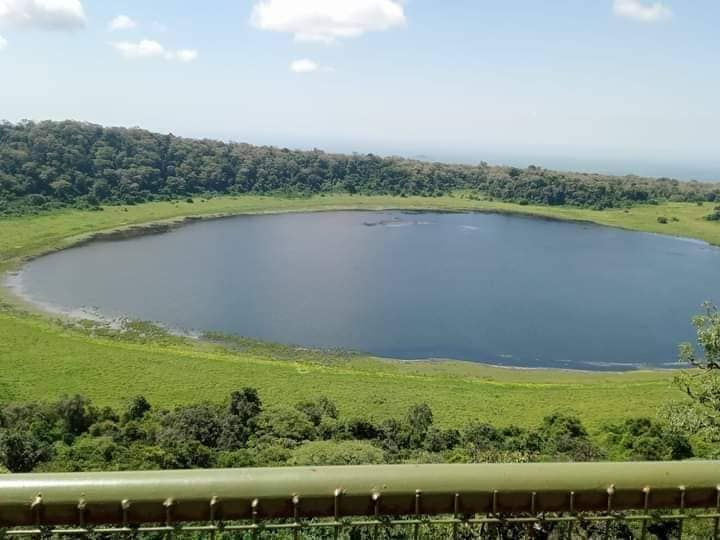
Marsabit National Park View of a tranquil crater lake
Kenya’s parks are located within savannahs, forests, mountains, wetlands, deserts, and marine ecosystems, making the country one of Africa’s top safari destinations. Popular parks include Amboseli, Tsavo East, Tsavo West, Nairobi National Park, Lake Nakuru, Samburu, Meru, and Aberdare National Park. These protected areas support tourism, conservation, research, environmental education, and local community livelihoods.

Some of the most famous parks include Amboseli, Tsavo East, Tsavo West, Nairobi National Park, Lake Nakuru, Aberdare, Mount Kenya, Meru, Samburu, Hell’s Gate, and Ruma National Park. Kenya also has marine parks such as Watamu, Malindi, Kisite Mpunguti, and Mombasa Marine Park protecting coastal biodiversity. These protected areas conserve wildlife, forests, wetlands, mountains, lakes, and marine ecosystems while supporting tourism, scientific research, conservation education, biodiversity protection, and local community livelihoods across Kenya.
0.)Amboseli National Park
Amboseli National Park, located in southern Kenya near the Tanzanian border, is one of the country’s most iconic wildlife destinations. Covering approximately 392 square kilometers, it is best known for its breathtaking views of Mount Kilimanjaro, Africa’s highest peak, which towers majestically just across the border in Tanzania.

Amboseli is renowned for its large herds of free-ranging African elephants, often seen with the snow-capped Kilimanjaro as a backdrop—one of the most photographed scenes in Africa. The park is also home to a diverse range of wildlife, including lions, cheetahs, buffaloes, zebras, giraffes, hyenas, and over 400 bird species such as pelicans, kingfishers, and crowned cranes.

A unique feature of Amboseli is its swamp system, fed by underground water from Mount Kilimanjaro’s melting snow. These swamps support year-round grazing, attracting wildlife even during dry seasons. The contrasting landscapes of dusty plains, green wetlands, and acacia woodlands create a dramatic and diverse ecosystem.
Aberdare National Park is a scenic highland conservation area stretching across Nyeri, Murang’a, and Nyandarua counties in central Kenya. The park is famous for mist-covered mountains, deep valleys, waterfalls, bamboo forests, moorlands, and cool mountain climates that create one of Kenya’s most unique safari environments. Wildlife found here includes elephants, buffaloes, leopards, giant forest hogs, bushbucks, colobus monkeys, mountain bongos, black rhinos, and rare black servals. The park also contains spectacular waterfalls such as Karuru Falls and Gura Falls alongside famous attractions like Treetops Lodge and the historic Kimathi Post Office.

Aberdare National Park, located in central Kenya within the Aberdare Mountain Range, is a unique highland sanctuary known for its lush forests, dramatic landscapes, and rich biodiversity. Covering about 767 square kilometers, the park ranges in altitude from 2,000 meters to over 4,000 meters, creating a cool, misty climate and a wide variety of habitats—from bamboo groves and moorlands to dense rainforests.

The park is home to a variety of wildlife, including elephants, buffaloes, leopards, hyenas, bushbucks, black rhinos, and the elusive bongo antelope, which thrives in the dense forest. Bird watchers can spot over 250 bird species, including the crowned eagle, African green ibis, and Jackson’s francolin.
Central Island National Park is a unique volcanic island located in the middle of Lake Turkana n northern Kenya, the world’s largest permanent desert lake. This remote park is famous for its dramatic volcanic landscapes, crater lakes, crocodile breeding grounds, and migratory bird populations. The island contains active volcanic features with steaming vents and three crater lakes known as Crocodile, Flamingo, and Tilapia Lakes. Central Island is also an Important Bird Area supporting resident and migratory bird species from Europe and Africa. Wildlife found around the lake includes Nile crocodiles, fish species, reptiles, and aquatic birds. Visitors can enjoy boating, sightseeing, camping, sport fishing, bird watching, and nature exploration within this UNESCO World Heritage environment.

Image of Central Island National Park
The Central Island National Park covers an area of 1235.53 acres and is part of the Lake Turkana National Parks, a UNESCO World Heritage Site that also includes Sibiloi National Park and South Island National Park. These parks are recognized for their unique ecosystems and the significant fossil sites in the area, which provide insights into human evolution .

Image of boat cruising Lake Turkana
The Central Island is made up of three active volcanoes that belch sulphurous smoke and steam .Out of this, Several craters have merged to form three crater lakes namely; Crocodile Lake named for its population of Nile crocodiles, which use the lake as a breeding ground. The lake’s warm, alkaline waters are perfect for these reptiles, and visitors may see adult crocodiles sunbathing along the shore or catch glimpses of juveniles in the water.

Image of Central Island national park
Flamingo Lake as this lake attracts both lesser and greater flamingos due to the presence of algae that serve as their primary food source. The sight of pink flamingos against the dark volcanic rock is a highlight of the park. and Tilapia Lake .The Tilapia Lake at Central Island is Known for its tilapia fish, this lake supports a small but significant population of fish that are adapted to the harsh alkaline environment.

Image of Central Island in Lake Turkana
The lakes provide conducive breeding grounds for the world’s largest concentration of Nile crocodiles and home to thousands of endemic fish.

Image of a Crocodile at Central Island National Park
Hiking to the crater lakes and exploring the volcanic cones is one of the main activities. The island offers scenic views of Lake Turkana and provides excellent photo opportunities of the volcanic landscape.
Birdwatching as birdwatchers can enjoy spotting flamingos, African skimmers, pelicans, and other bird species around the crater lakes and shores
Crocodile Viewing as you can Observe the large population of Nile crocodiles in their natural habitat around Crocodile Lake is a unique experience
Central island is a an active volcano hence the park exhibits low vegetation due to high temperatures and salinity of water catalysed by the volcanicty

Image of Central Island National Park
Lake Turkana is often called the "Jade Sea" because of its striking blue-green color, which resembles the semi-precious stone jade. This unique color comes from the algae and phytoplankton present in the lake, combined with reflections from the lake’s mineral-rich, alkaline waters

Image of Central Island National park
What is Centre Island known for?
Central Island is a volcanic island formed by eruptions that created multiple craters and lava formations. It features three main volcanic crater lakes: Crocodile Lake, Flamingo Lake, and Tilapia Lake. While the island is small and isolated, it supports a variety of wildlife species adapted to the arid environment such as the Nile Crocodiles
Chyulu Hills National Park is a scenic volcanic landscape located in Makueni County between Amboseli and Tsavo ecosystems in southern Kenya. The park is famous for its rolling green hills, lava fields, black volcanic terrain, caves, underground water systems, and panoramic views of Mount Kilimanjaro.

Rolling green chyulu hills with scattered trees by hiking_wolf
Chyulu Hills contains one of the world’s longest lava tubes known as the Leviathan Cave and serves as an important water catchment feeding rivers and springs across the region. Wildlife found here includes elephants, buffaloes, giraffes, zebras, elands, leopards, bushbucks, reedbucks, and black rhinos. Visitors enjoy hiking, camping, game viewing, photography, bird watching, and nature exploration within this unique wilderness ecosystem.
Hell’s Gate National Park is a unique wildlife and adventure destination located in Nakuru County within Kenya’s Great Rift Valley near Lake Naivasha. Unlike many parks in Kenya, Hell’s Gate allows visitors to explore on foot or by bicycle through dramatic gorges, towering cliffs, volcanic landscapes, geothermal steam vents, and scenic rock formations. The park is famous for attractions such as Fischer’s Tower, Olkaria Geothermal Station, Hell’s Kitchen Gorge, Hobley’s Volcano, and obsidian caves. Wildlife found here includes zebras, giraffes, buffaloes, elands, gazelles, serval cats, hartebeests, leopards, and over 100 bird species.

Hell’s Gate National Park, located in Nakuru County near Lake Naivasha, is one of Kenya’s most unique and accessible parks. Covering approximately 68 square kilometers, it is renowned for its dramatic scenery, towering cliffs, gorges, geothermal activity, and wide-open grasslands. Unlike most parks in Kenya, Hell’s Gate allows visitors to explore on foot or by bicycle, making it a favorite for hikers, cyclists, and rock climbers.

The park’s iconic features include Fischer’s Tower and Central Tower, both popular for rock climbing, and the breathtaking Hell’s Gate Gorge, carved by centuries of water erosion. Inside the gorge, visitors can walk among towering sandstone walls, hot springs, and steam vents. The park is also home to Olkaria Geothermal Station, one of Africa’s leading renewable energy plants.
Kakamega Forest National Reserve

Lush green kakamega forest with dense tree canopy
Kakamega Forest National Reserve is Kenya’s only tropical rainforest and one of the country’s richest biodiversity hotspots located in Kakamega County in western Kenya. This ancient equatorial forest is an extension of the Congo Basin rainforest ecosystem and is famous for its dense canopy, towering indigenous trees, orchids, butterflies, birds, snakes, primates, and rare plant species. The reserve hosts hundreds of bird species making it an Important Bird Area and supports wildlife such as bush pigs, civets, colobus monkeys, pangolins, grey duikers, clawless otters, and occasional leopards. Visitors enjoy hiking, bird watching, camping, nature walks, photography, cycling, butterfly viewing, and cultural tourism within this unique rainforest ecosystem.

Sign for Kisite Mpunguti Marine National Park
Kisite Mpunguti Marine Park and Reserve is a spectacular marine conservation area located along Kenya’s southern coast in Kwale County near Shimoni and the Tanzanian border. The park is famous for its coral reefs, clear turquoise waters, dolphins, sea turtles, tropical fish, and rich marine biodiversity protected within the Indian Ocean ecosystem.

Image of White coral reef underwater, surrounded by small fish by Dzivula Gube
Coral gardens, rocky islands, mangrove forests, and small coral islets create one of Kenya’s most beautiful snorkeling and diving destinations. Visitors commonly spot dolphins, parrot fish, butterfly fish, crabs, seabirds, and occasionally humpback whales during migration seasons. Popular activities include snorkeling, scuba diving, swimming, boat safaris, bird watching, sunbathing, and exploring nearby Shimoni caves and coastal landscapes.

Kisumu Impala Sanctuary is a peaceful lakeside wildlife sanctuary located in Kisumu County near the shores of Lake Victoria and only a short distance from Kisumu City. Despite its small size, the sanctuary hosts diverse wildlife including impalas, the rare sitatunga antelope, buffaloes, giraffes, cheetahs, leopards, and several primate species within a scenic natural environment.

The sanctuary is also popular for bird watching due to its wetland and lakeside habitats attracting numerous bird species. Visitors enjoy nature walks, boat rides, camping, photography, game viewing, picnics, sunset viewing, and educational tours. Its tranquil setting makes it ideal for relaxation, eco-tourism, and short wildlife excursions near western Kenya’s urban center.

Kiunga Marine National Reserve is a remote coastal conservation area located in Lamu County along Kenya’s northern coastline near the Somali border. The reserve protects coral reefs, mangrove forests, seagrass beds, limestone islands, sand dunes, and rich marine biodiversity within the Indian Ocean ecosystem. Kiunga is internationally recognized for protecting endangered dugongs, sea turtles including green and hawksbill turtles, migratory seabirds, giant clams, and diverse fish species. The reserve’s untouched coral gardens and crystal-clear waters make it ideal for snorkeling, scuba diving, swimming, bird watching, and marine eco-tourism. Visitors can also explore mangrove channels, island landscapes, and traditional Swahili coastal environments surrounding this unique marine sanctuary.

Kora National Park is a rugged wilderness conservation area located in Tana River County in eastern Kenya and is famously associated with wildlife conservationists George and Joy Adamson of Born Free fame. The park features rocky inselbergs, open plains, acacia woodlands, palm-lined riverbanks, waterfalls, and the scenic Tana River ecosystem flowing through its landscape. Kora supports wildlife species including elephants, lions, leopards, cheetahs, hyenas, lesser kudus, crocodiles, and diverse birdlife adapted to semi-arid conditions. The park is also known for Kampi ya Simba, the former home of George Adamson, whose grave remains a historic attraction. Visitors enjoy hiking, fishing, camping, bird watching, rafting, rock climbing, and wilderness exploration.

Kora National Park is Located in Tana River County, Kenya. The park covers an area of 1,788 square kilometers. It is located 125 kilometers east of Mount Kenya. The park was initially gazetted as a nature reserve in 1973. It was gazetted as a national park in 1989, following the murder of George Adamson by poachers .Kora National Park is famous for the Kampi ya Simba which was home to former conservationist Adamson and Joy Adamson .

Lake Elementaita Wildlife Sanctuary is a protected Rift Valley ecosystem located in Nakuru County between Nakuru and Naivasha. The sanctuary is internationally recognized as a UNESCO World Heritage Site and Ramsar wetland because of its ecological importance, birdlife diversity, and archaeological history dating back thousands of years.

Lake Elementaita supports large populations of flamingos, pelicans, African spoonbills, avocets, and migratory water birds, making it an Important Bird Area within Kenya’s Rift Valley lakes system. The surrounding grasslands and acacia habitats host wildlife such as giraffes, zebras, buffaloes, elands, impalas, bushbucks, colobus monkeys, lions, leopards, and jackals. Visitors enjoy bird watching, hiking, nature walks, photography, and scenic lake exploration.
Lake Nakuru National Park

Two rhinos gently nuzzle on a grassy field at Lake Nakuru National Park by REIS INSPIRATIES
Lake Nakuru National Park is one of Kenya’s most famous Rift Valley wildlife destinations located in Nakuru County around the alkaline waters of Lake Nakuru. Originally established to protect massive flamingo populations, the park has grown into an internationally recognized sanctuary for black and white rhinos, lions, leopards, Rothschild’s giraffes, buffaloes, zebras, hippos, and numerous bird species. The park hosts over 450 bird species including pelicans, fish eagles, migratory birds, and water birds attracting bird watchers from around the world. Scenic attractions include Baboon Cliff, Makalia Falls, Lion Hill, rocky escarpments, wooded grasslands, and panoramic lake views. Visitors enjoy game drives, camping, photography, bird watching, boating, and nature exploration.
Malindi Marine National Park and Reserve
Malindi Marine National Park and Reserve is one of Kenya’s oldest and most famous marine conservation areas located along the Indian Ocean coastline in Kilifi County near Malindi town. The park protects coral reefs, lagoons, mangrove forests, seagrass beds, mudflats, and rich marine biodiversity supporting tropical fish, sea turtles, dolphins, crustaceans, marine worms, and migratory seabirds.

The crystal-clear waters and coral gardens make the park a globally recognized destination for snorkeling, scuba diving, swimming, kayaking, windsurfing, jet skiing, reef walks, and underwater photography.

Malindi Marine National Park, located along Kenya’s Indian Ocean coast in Kilifi County, is one of Africa’s oldest marine parks, established in 1968. Managed by the Kenya Wildlife Service (KWS), the park covers 6 square kilometers and is renowned for its stunning coral reefs, vibrant marine life, and clear turquoise waters. It is part of the larger Malindi-Watamu Biosphere Reserve, a UNESCO-designated site that supports both conservation and sustainable use.

Image of Malinid Marine National Park Entry fees taken on October 2021 by Martin Maiyo
The park is a haven for snorkelers, divers, and nature lovers. Its coral gardens host an incredible variety of marine species including parrotfish, angelfish, sea urchins, starfish, turtles, and occasionally dolphins. The park’s shallow lagoons and protective reefs make it ideal for beginners and family-friendly excursions.

Visitors can explore the park through glass-bottom boat rides, which offer a unique way to view the underwater ecosystem without getting wet. Other popular activities include windsurfing, beach walks, and picnicking along the pristine white sand beaches.
Malka Mari National Park

Three cheetahs rest on a dirt path in Malka Mari National Park
Malka Mari National Park is a remote semi-arid wilderness conservation area located in Mandera County along the Daua River near the Kenya-Ethiopia border. The park is known for its rolling hills, scrubby grasslands, riverine forests, valleys, and unique dryland ecosystems supporting diverse wildlife and endemic plant species. Wildlife found in the park includes lions, cheetahs, leopards, spotted hyenas, jackals, wild dogs, giraffes, oryx, lesser kudus, gazelles, crocodiles, hippos, and numerous bird species. The Daua River provides an important water source sustaining wildlife during dry seasons. Malka Mari also contains historical colonial ruins, archaeological features, medicinal plants, and rare vegetation adapted to harsh northern Kenya environments.
Marsabit National Park
The beautiful park is a refuge for the huge tusked bull elephants and was home to most famous elephant named Ahmed until his death at an estimated age of 63 years -KWS

Camels resting on a dirt path in a forest setting Nishantha Subash at Marsabit National Park
Marsabit National Park is a unique mountain forest oasis located in the semi-arid landscapes of northern Kenya within Marsabit County.

Image of road inside Marsabit National Park
Rising from the desert environment, the park is famous for its misty forests, volcanic craters, crater lakes, underground springs, and diverse wildlife habitats sustained by permanent water sources.

Image of marsabit national park
Gof Sokorte Guda which is said to be a local Borana word for 'Big sweet water crater'.
The park historically hosted large tusked elephants including the famous Ahmed elephant protected by presidential decree. Wildlife found here includes elephants, buffaloes, reptiles, numerous bird species, and desert-adapted animals living within forested highlands and crater ecosystems.

Image of Lake paradise directions at Marsabit National Park
Attractions such as Lake Paradise, volcanic craters, singing wells, cultural heritage sites, camel rides, bird watching, hiking, and scenic mountain landscapes make Marsabit one of Kenya’s most distinctive wilderness destinations.

Image of marsabit national park abdul gate
Marsabit National Park is a protected area located in Marsabit County on the slopes of Mount Marsabit (an extinct volcanic mountain ) in northern Kenya, near the town of Marsabit and covers an area of 384001.8 acres .Key geographical features at Marsabit National Park include

Image of Lake paradise a in marsabit National park
Lake Paradise (Gof Bongole )
This crater lake, surrounded by lush forest, is one of the park's most picturesque spots. It attracts a variety of wildlife, especially elephants and bird species.

Aerial view of Marsabit National park
Gof Sokorte Guda and Gof Sokorte Dika
These two crater lakes are scenic natural formations that provide water sources for animals and attract a variety of birdlife.
'Gof Sokorte Dika' or 'Small sweet water crater' — a popular hangout for elephants.
Forested Slopes

Aerial view of Marsabit forest
The dense forest, fed by mist and rainfall, contrasts starkly with the dry surroundings, offering a unique ecological setting within the arid region.

Image of Lake paradise at Marsabit National Park
Did you know that Marsabit means 'place of cold' due to its thick and dense cloak rain forest

Image of elephants at marsabit national park
Marsabit National Park is also known for Lake Paradise, a seasonal lake that attracts diverse wildlife, including elephants, buffalo, and lions.


Image of Marsabit forest
This park is renowned for its lush forests, picturesque craters, rugged landscapes, and rich wildlife, making it a unique oasis amid the arid surroundings of northern Kenya.

Image of animals grazing at marsabit national park
Marsabit National park is a national park with a portion designated as a game reserve. The National Park is a protected area focusing on the conservation of wildlife and forested regions around Marsabit Mountain ,while the National reserve surrounds the national park and serves as a buffer zone.

Image of Zebra at marsabit national park
This area permits regulated livestock grazing and other sustainable land uses, helping balance conservation with the needs of local communities.

Image of Mount ololokwe while heading to Marsabit National Park

Image of Marsabit county
Meru National Park

Meru National Park is a vast wilderness conservation area located in Meru County on the eastern slopes of Mount Kenya. The park is famous for its diverse landscapes including riverine forests, open plains, swamps, woodlands, mountain-fed streams, and doum palm habitats supporting rich biodiversity. Meru hosts the Big Five alongside rare species such as Grevy’s zebras, lesser kudus, hippos, crocodiles, and both black and white rhinos protected within a secure sanctuary. The park contains over 400 bird species and is historically linked to conservationists George and Joy Adamson through the famous Born Free story about Elsa the lioness.

Mombasa Marine National Park and Reserve is a tropical marine conservation area located along Kenya’s Indian Ocean coastline in Mombasa County. The park was established to protect coral reefs, seagrass beds, marine algae, and diverse ocean wildlife from overfishing and environmental damage. Marine life found within the park includes sea turtles, jellyfish, sea urchins, crabs, snappers, groupers, surgeonfish, sweepers, and numerous tropical fish species. The surrounding beaches such as Nyali, Bamburi, Shanzu, and Kenyatta Beach make the area a major tourism destination. Visitors enjoy snorkeling, scuba diving, glass-bottom boat rides, sailing, windsurfing, swimming, bird watching, and underwater photography within the park’s crystal-clear coastal waters and coral ecosystems.
Mount Elgon National Park
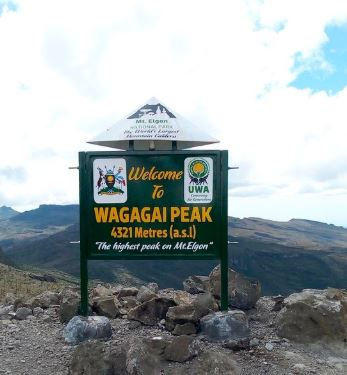
Mount Elgon National Park is a spectacular highland conservation area located across Trans Nzoia and Bungoma counties along the Kenya-Uganda border. Dominated by the extinct volcanic Mount Elgon, the park features montane forests, moorlands, caves, cliffs, waterfalls, and scenic mountain landscapes supporting rich biodiversity. Wildlife found here includes elephants, buffaloes, leopards, antelopes, waterbucks, colobus monkeys, blue monkeys, and over 240 bird species. The park is internationally famous for Kitum Cave where elephants enter to mine natural salt deposits deep inside volcanic caves. Rivers originating from the mountain feed major drainage systems flowing toward Lake Turkana and Lake Victoria. Visitors enjoy hiking, cave exploration, bird watching, camping, photography, picnicking, and nature walks across this breathtaking mountain ecosystem.
Mount Longonot National Park

Mount Longonot National Park is a dramatic volcanic conservation area located in Nakuru County within Kenya’s Great Rift Valley near Naivasha. Dominated by the extinct Mount Longonot volcano rising over 2,700 meters above sea level, the park is famous for its rugged crater, steep ridges, V-shaped valleys, and panoramic Rift Valley scenery. Visitors hike to the summit and walk around the crater rim for breathtaking views of the surrounding landscapes and crater forest hidden within the volcano. Wildlife found in the park includes buffaloes, zebras, giraffes, bushbucks, elands, Grant’s gazelles, leopards, and birds of prey. Popular activities include hiking, camping, bird watching, photography, and nature exploration.
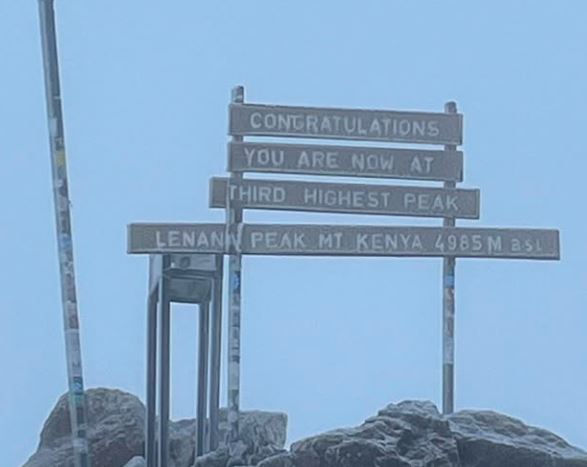
Mount Kenya is Africa’s second-highest mountain after Mount Kilimanjaro, rising to 5,199 meters above sea level. This ancient extinct volcano is known for its rugged glaciers, dramatic U-shaped valleys, alpine lakes, and dense forests rich in biodiversity. The mountain is home to rare wildlife such as elephants, buffaloes, giant forest hogs, suni antelopes, and over 130 bird species.
l

Image of Mount kenya national park sign post
The park encompasses the central peaks of Mount Kenya, which include Batian (5,199 meters), Nelion (5,188 meters), and Lenana (4,985 meters). Covering an area of 715 square kilometers .

Image of road headed to Mount Kenya national park
Established in 1949, Mount Kenya National Park was created to protect the area’s ecosystem from deforestation, hunting, and agricultural encroachment. In 1997, UNESCO designated it as a World Heritage Site due to its ecological and cultural significance. Its vegetation changes with altitude, from cedar and bamboo forests to moorlands filled with giant lobelias and groundsels. Recognized as a UNESCO World Heritage Site and Biosphere Reserve, Mount Kenya attracts hikers, climbers, campers, birdwatchers, photographers, and nature lovers from around the world.
Ndere Island National Park

Ndere Island National Park is a secluded island sanctuary rising from the deep blue waters of Lake Victoria near Kisumu. The island’s rolling grass-covered hills, scattered acacia trees, and calm lakeside scenery create a peaceful wilderness atmosphere. The images capture the park’s golden grasslands and lone windswept tree overlooking the vast lake horizon. Ndere, meaning “meeting place” in the Dholuo language, supports rich wildlife including hippos, crocodiles, impalas, zebras, African fish eagles, and vibrant butterflies. Red oat grass gives parts of the island a reddish appearance during certain seasons. Visitors enjoy boat rides, birdwatching, camping, hiking, fishing, sunsets, and panoramic views stretching toward Homa Bay and surrounding islands.
Ol Donyo Sabuk National Park

Ol Donyo Sabuk National Park is a rugged mountain park rising prominently above the surrounding plains northeast of Nairobi. Known for its cool forests, steep hiking trails, and panoramic scenery, the park attracts campers, hikers, photographers, and wildlife enthusiasts seeking a peaceful outdoor escape. The mountain was once owned by William Northrup MacMillan, whose grave and family burial site remain on the slopes. Dense vegetation supports buffaloes, bushbucks, baboons, leopards, pythons, porcupines, monitor lizards, and numerous bird species. On clear days, hikers can view both Mount Kenya and Mount Kilimanjaro from the summit, creating spectacular photography and sightseeing opportunities.
7.) The OL Donyo Sabuk National Park

Image of Oldonyo sabuk board past Thika
Ol Donyo Sabuk National Park also referred to as Kyanzavi by the Kamba community is a scenic wildlife park located in Machakos county Kenya and is about 65 kilometers northeast of Nairobi and closer to Thika town .

Image of Lord Macmillan non native at Ol donyo Sabuk National park
Oldonyo Sabuk is referred by the local Kamba community as ‘The mountain of the buffalo’, Oldonyo sabuk National park covers an area of 4942.11 acres and is known for its rich biodiversity, scenic landscapes, and cultural significance.

Image of Oldonyo Sabuk National Park
Key Features and Attraction at Oldonyo Sabuk National park include :
Ol Donyo Sabuk Mountain

Image of Oldonyo sabuk mountain
The mountain, also known as "Kilima Mbogo" (Buffalo Mountain), stands at an elevation of 2,145 meters (7,037 feet) and offers breathtaking views of the surrounding plains.
Wildlife

Image of Oldonyo sabuk wildlife
Oldonyo Sabuk National park is home to diverse wildlife, including buffalos, monkeys, baboons, bushbucks, and various bird species. Birdwatchers will appreciate the variety, with sightings of eagles, buzzards, and weaver birds. The abundance of buffalos is notable, as they are one of the park's main attractions.
The Kikuyu people, who also live near the area, refer to the mountain as "Kilima Mbogo," which means "Buffalo Hill"
Fourteen Falls

Image of fourteen falls at Oldonyo Sabuk
Located near the park, Fourteen Falls is a spectacular series of waterfalls along the Athi River. Although technically outside the park, it’s a popular addition to the itinerary for visitors looking to enjoy the beautiful cascade and explore the surrounding natural landscape.

Image of a Grave yard at oldonyo sabuk
Oldonyo Sabuk National park is historically important due to its association with Lord William Northrop MacMillan, an American philanthropist who owned much of the land around Ol Donyo Sabuk in the early 20th century. His gravesite, as well as those of his wife and dog, are located near the summit of the mountain.
Nairobi National Park

Nairobi National Park is the world’s only major wildlife park located beside a capital city, creating a rare contrast between untamed savannah and Nairobi’s modern skyline. The image captures a zebra standing calmly on open grasslands with skyscrapers rising in the background, symbolizing the park’s unique urban wilderness. Covering expansive plains, acacia bushland, and seasonal rivers, the park shelters lions, rhinos, giraffes, buffaloes, leopards, zebras, crocodiles, hippos, and over 500 bird species. It is internationally known for rhino conservation and the historic ivory burning site established to fight poaching. Visitors enjoy game drives, birdwatching, photography, picnicking, and viewing wildlife only minutes from Nairobi’s busy city center.

Ruma National Park is a remote wildlife sanctuary hidden within the Lambwe Valley near the shores of Lake Victoria. The park’s rolling savannahs, riverine forests, escarpments, and volcanic landscapes create one of western Kenya’s richest ecosystems. Ruma is famously the last protected refuge in Kenya for the rare roan antelope and also shelters the endangered Rothschild’s giraffe. Wildlife found here includes rhinos, zebras, topis, serval cats, leopards, buffaloes, hyenas, and bushbucks. Birdlife is exceptional, with over 400 species including African fish eagles, crowned cranes, hornbills, and bee-eaters. The peaceful wilderness makes Ruma ideal for game drives, camping, photography, and birdwatching.
Saiwa Swamp National Park

Saiwa Swamp National Park is Kenya’s smallest national park and one of the country’s most peaceful wetland ecosystems. The image captures its raised wooden boardwalk winding quietly through dense swamp vegetation, reeds, riverine forest, and shaded acacia woodland. This tranquil sanctuary protects the rare semi-aquatic sitatunga antelope, famous for its ability to move silently through marshy wetlands. The park is also home to De Brazza’s monkeys, giant forest squirrels, bushbucks, otters, and numerous bird species. Over 370 bird species have been recorded here, making it a major birdwatching destination. Unlike most parks, vehicles are restricted, allowing visitors to experience nature closely through guided walking trails, camping, photography, and quiet forest exploration.
South Island National Park

Island National Park by Chalbi Desert Safari
South Island National Park is a remote volcanic island sanctuary rising from the turquoise waters of Lake Turkana, the world’s largest desert lake. The island’s rugged lava landscapes, sandy shores, rocky hills, and sparse vegetation create a dramatic wilderness habitat for migratory and resident birdlife. South Island is internationally recognized as a UNESCO Man and the Biosphere Reserve and an Important Bird Area. Massive colonies of African skimmers, flamingos, gulls, pelicans, storks, and herons gather along its shores. The surrounding waters shelter large Nile crocodile populations and rich aquatic life. Visitors experience untouched desert scenery, cultural heritage, birdwatching, camping, hiking, and spectacular sunsets over the jade-colored lake.

Image of elephants at south island national park
South Island National Park is a remote, protected area located in Lake Turkana, Marsabit County Kenya and covers an area of 9637 acres and a breeding ground for Nile crocodile and a range of venomous carpet snakes

Beautiful Views of South Island National Park
The South Island National Park is Part of the larger Lake Turkana National Parks and is recognized as a UNESCO World Heritage Site and the Biosphere (MAB) reserve and Kenya’s Important Bird Areas (IBA) as defined by Birdlife International as it is a key stopover for 34 species of Palaearctic migrant water birds. The park covers South Island, one of the three volcanic islands in Lake Turkana,

South Island National park
South Island National Park is home to a variety of wildlife, particularly bird species and aquatic life adapted to the harsh conditions of Lake Turkana. It is a critical breeding site for Nile crocodiles and a habitat for fish such as Nile perch and tilapia.
South Island National Park Entrance Fee
South Island National Park is a great place for hiking and picnicking. It's a two-hour boat ride from Eliye depending on the lake currents and 30 minutes, from Kalokol.
Activities to do at South Island National Park

Image of South Island National Park

Image of a crocodile at south island national park
Besides birds, visitors may spot large Nile crocodiles sunning along the shores or observe fish populations in the lake.

Image of South Island national park
The park is accessible from the nearby towns inhabited by indigenous communities, including the Turkana, Dassanach, and Gabbra. These groups have traditionally relied on the lake for fishing and sustenance despite the arid conditions

While South Island is less populated with terrestrial mammals compared to other national parks, it is known for its aquatic life and birdlife that thrive in Lake Turkana’s unique ecosystem major animals at South Island National Park include Reptiles such as Nile crocodile ,monitor lizards ,fish species, such as Nile tilapia, Nile perch , migratory and resident bird species include Greater and Lesser Flamingos While the shallow areas of Lake Turkana around South Island also provide habitat for hippos

Image of Tsavo East National Park by African Budget Safaris
Tsavo East National Park is one of Africa’s largest and most iconic wildlife parks, famous for its vast red-earth plains, lava landscapes, and enormous elephant herds coated in reddish dust. The images highlight resting lionesses hidden beneath dry savannah vegetation and the park’s rugged wilderness scenery shaped by the Galana River and ancient volcanic activity. Tsavo East shelters lions, leopards, buffaloes, giraffes, zebras, crocodiles, hippos, gerenuks, and over 500 bird species. Major attractions include Lugard Falls, Mudanda Rock, Aruba Dam, and the Yatta Plateau, the world’s longest lava flow. Its endless open plains and dramatic sunsets create exceptional opportunities for photography, game drives, camping, and wildlife exploration.
Tsavo East National Park, established in 1948, is one of Kenya’s oldest and largest national parks, covering over 13,700 square kilometers. Located in southeastern Kenya, it forms part of the vast Tsavo ecosystem along with Tsavo West. Tsavo East is famous for its red-dust elephants, which often bathe in the park’s reddish soil, giving them a unique appearance. The park’s open savannahs, semi-arid plains, and sparse vegetation make it excellent for wildlife viewing.

Tsavo East is home to a wide variety of animals including elephants, lions, leopards, cheetahs, giraffes, zebras, buffaloes, and over 500 bird species such as hornbills, eagles, and ostriches. One of the park’s main attractions is the Yatta Plateau, the world’s longest lava flow, stretching over 300 kilometers. The Galana River runs through the park, providing a crucial water source and a scenic backdrop for wildlife viewing.

Other key features include Lugard Falls, a series of white water rapids on the Galana River, and the Aruba Dam, which attracts large numbers of animals during the dry season.
Tsavo West National Park
Tsavo West National Park is a dramatic wilderness of volcanic hills, lava flows, natural springs, rocky escarpments, and dense acacia bushland stretching across southeastern Kenya. The images capture one of the park’s clear rocky streams flowing through thick green vegetation, reflecting the beauty of the famous Mzima Springs where crystal-clear water emerges from underground lava formations. Tsavo West is home to elephants, black rhinos, lions, leopards, cheetahs, hippos, crocodiles, giraffes, zebras, and numerous bird species. The park also features the Shetani Lava Flow, Lake Jipe, roaring rocks, and panoramic viewpoints. Its rugged terrain, sunsets, wildlife, caves, and volcanic scenery make it one of Kenya’s most visually diverse safari destinations.

TSAVO EAST NATIONAL PARK ( “Theatre of the Wild” ):
Large herds of red elephants (Big tuskers).
The Aruba Dam.
The Mundanda Rock.
The Yatta Plateau -The longest lava flow in the world at 300kilometres in length and 10kilometres wide.
The Lugard Falls.
The Galana River.
Tsavo West National Park, located in southeastern Kenya Taita-Taveta County and parts of Kitui County and Makueni County is part of the larger Tsavo ecosystem and spans approximately 9,000 square kilometers. Known for its rugged landscapes, volcanic hills, lava flows, and diverse wildlife, it offers a dramatic and adventurous safari experience.
Key attractions include Mzima Springs, where crystal-clear waters teem with hippos and crocodiles, and Shetani Lava Flow, a striking volcanic formation. The park is home to elephants, lions, leopards, rhinos, and over 600 bird species.

TSAVO WEST NATIONAL PARK ( “Land of Lava, Springs, Man-Eaters & Magical Sunsets”):
Ngulia Rhino Sanctuary.
Large herds of elephants.
Mzima Springs.
Ngulia Hills.
Chaimu Crater & Roaring Rocks.
Shetani Caves.
Poacher's Lookout.
Lake Jipe.
Shetani Lava Flows.
Watamu Marine National Park

Image of a Man grilling prawns and lobster by Holaa Safari Kenya
Watamu Marine National Park is one of Kenya’s most celebrated coastal marine ecosystems, famous for its turquoise waters, coral reefs, white sandy beaches, and vibrant ocean biodiversity. The image shows tourists exploring the calm Indian Ocean aboard a glass-bottom marine boat, one of the park’s popular attractions for viewing underwater coral gardens and tropical fish. The protected marine area shelters dolphins, green turtles, whale sharks, manta rays, humpback whales, octopuses, reef fish, and over 140 species of coral. Nearby Mida Creek mangrove forests support rich birdlife and marine breeding grounds. Visitors enjoy snorkeling, deep-sea fishing, dolphin watching, scuba diving, birdwatching, sunbathing, and relaxing tropical coastal scenery.

Image of a pangolins found in Sibiloi the only mammals in the world covered in scales
Sibiloi National Park lies along the northeastern shores of Lake Turkana and is globally famous as the “Cradle of Humankind” because of its important archaeological discoveries linked to early human evolution. The image highlights one of the park’s massive Nile crocodiles basking near the lake’s edge, reflecting the park’s reputation for hosting some of the world’s largest crocodile breeding colonies. Sibiloi’s harsh volcanic landscapes, open plains, fossil sites, and desert scenery create a dramatic wilderness environment. The park contains the renowned Koobi Fora fossil beds where ancient human remains and prehistoric animal fossils were discovered. Wildlife includes zebras, cheetahs, oryx, hyenas, gazelles, ostriches, and numerous migratory water birds.

Image of Sibiloi National park
Sibiloi National Park is a remote, semi-arid park that covers an area of 150734 acres and is located in northern Kenya, on the eastern shore of Lake Turkana. Established in the year 1971 and is Known as the "Cradle of Mankind,"

Aerial view of sibiloi national park
Sibiloi is renowned for its fossil discoveries, many of which provide insight into human evolution. The most famous fossil sites include Koobi Fora, where fossils of early hominids like Homo habilis and Australopithecus were discovered.

Image of Koobi Foora at Sibiloi National Park
Sibiloi National park's significance to anthropology is immense, with findings dating back millions of years, making it a focal point for scientists studying human ancestry. Sibiloi National Park is part of the Lake Turkana National Parks and was listed as a UNESCO World Heritage Site in 1997

Image of Fish Drying at Sibiloi National Park
The Koobi Fora site within the park is one of the most famous paleoanthropological locations in the world. It has produced a wealth of fossil evidence about early hominids and prehistoric animals.Key fossil discoveries were made by the Leakey family and other scientists in the 1970s

Image of Koobi Foora archeological site at Sibiloi National Park
Sibiloi National park is characterized by a desert habitat and open plains flanked by volcanic formations including Mount Sibiloi, where the remains of the petrified forest can be seen, casts of elephants, giant tortoise, Koobi fora museum, TBI museum.

Image of Sibiloi National park manyatta alongside lake
Visitors can explore the rugged terrain to spot unique wildlife and enjoy birdwatching along the shores of Lake Turkana.The area around Sibiloi is inhabited by several indigenous communities, including the Turkana, Gabbra, and Dassanach,

The desert museum at loyangalani
Sibiloi National Park hosts a variety of wildlife, including grevy’s zebras, oribi, Grant’s gazelle, lion, leopard, and cheetah. Large Nile crocodiles inhabit the shores of Lake Turkana, and hippos can also be found in the lake’s waters.
Best National Parks in Kenya for Big Cats
Kenya is home to several national parks and reserves famous for big cat sightings including lions, leopards, and cheetahs. Maasai Mara National Reserve is considered the top destination because of its large predator population and abundant prey during the Great Migration. Amboseli National Park is known for lions roaming open plains beneath Mount Kilimanjaro, while Tsavo East and Tsavo West support large carnivore populations within vast wilderness ecosystems. Samburu National Reserve and Meru National Park are also excellent for spotting elusive leopards, cheetahs, servals, and other rare wild cats in natural habitats across northern and eastern Kenya.
Wildlife Found in Kenya National Parks
Kenya’s national parks protect a rich diversity of wildlife species found across savannahs, forests, mountains, wetlands, deserts, and marine ecosystems. Common animals include lions, elephants, leopards, cheetahs, rhinos, giraffes, zebras, buffaloes, wildebeests, hippos, crocodiles, and numerous antelope species. Many parks also host rare wildlife such as mountain bongos, Grevy’s zebras, African wild dogs, serval cats, and black rhinos. Kenya’s parks are equally famous for birdlife including flamingos, pelicans, ostriches, fish eagles, kingfishers, and migratory birds. These protected areas support biodiversity conservation, tourism, scientific research, wildlife photography, and environmental education across the country.
Largest and Marine National Parks in Kenya
Tsavo East and Tsavo West together form the largest protected wildlife ecosystem in Kenya and one of the biggest conservation landscapes in Africa. These parks are famous for elephants, lions, leopards, giraffes, volcanic landscapes, lava fields, and vast savannahs supporting diverse wildlife habitats. Kenya also has important marine national parks along the Indian Ocean coast including Watamu Marine National Park, Malindi Marine National Park, Kisite Mpunguti Marine Park, and Mombasa Marine Park. These marine parks protect coral reefs, sea turtles, dolphins, tropical fish, mangroves, and marine biodiversity while supporting eco-tourism, snorkeling, diving, conservation research, and sustainable coastal ecosystem management.
Safari Activities and Best Time to Visit
Kenya’s national parks offer a wide range of safari activities including game drives, bird watching, camping, hiking, photography, nature walks, cultural tourism, mountain climbing, boating, snorkeling, and hot air balloon safaris. Popular wildlife experiences include spotting lions, elephants, leopards, cheetahs, rhinos, giraffes, and migratory birds across different ecosystems.
Conservation and Tourism Importance of Kenya National Parks
Kenya’s national parks play a critical role in wildlife conservation, biodiversity protection, ecosystem preservation, and sustainable tourism development. These protected areas safeguard habitats for lions, elephants, rhinos, leopards, cheetahs, endangered species, and migratory birds across forests, savannahs, wetlands, mountains, and marine ecosystems. National parks also support scientific research, environmental education, climate resilience, and habitat restoration programs. Tourism generated from safari activities, accommodation, park fees, photography, and eco-tourism creates employment opportunities, supports local communities, generates foreign exchange earnings, and funds conservation efforts that help protect Kenya’s wildlife heritage for future generations.
Frequently Asked Questions About Sibiloi National Park
What is Sibiloi National Park famous for?
Sibiloi National Park is famous for its archaeological importance and fossil discoveries connected to early human evolution. The park contains the renowned Koobi Fora fossil sites, where scientists discovered ancient human remains and prehistoric animal fossils.
Where is Sibiloi National Park located?
The park is located along the northeastern shores of Lake Turkana in Marsabit County, northern Kenya.
Why is Sibiloi called the “Cradle of Humankind”?
Sibiloi earned this nickname because many important fossils linked to early humans were discovered in the area, helping researchers understand human evolution.
What animals can be seen in Sibiloi National Park?
Visitors may see Nile crocodiles, zebras, cheetahs, gazelles, ostriches, hyenas, oryx, and many migratory bird species near the lake.
Are there crocodiles in Sibiloi National Park?
Yes. The park is known for hosting one of the world’s largest Nile crocodile breeding populations along the shores of Lake Turkana.
What activities can visitors do in Sibiloi National Park?
Popular activities include game viewing, camping, birdwatching, cultural tours, fossil exploration, photography, boat safaris, and nature walks.
What is the best time to visit Sibiloi National Park?
The dry seasons are generally the best times to visit because roads become easier to access and wildlife is easier to spot around water sources.
How far is Sibiloi National Park from Nairobi?
Sibiloi National Park is approximately 800 kilometers from Nairobi, making it one of Kenya’s most remote national parks.
Is Sibiloi National Park a UNESCO World Heritage Site?
Yes. Sibiloi National Park forms part of the Lake Turkana National Parks UNESCO World Heritage Site because of its archaeological and ecological significance.
Which communities live near Sibiloi National Park?
The surrounding region is home to Turkana, Gabra, Dassanach, and Samburu communities who maintain rich cultural traditions and pastoral lifestyles.



Comments