
Cordia Africana: The Indigenous Tree Farmers in Kenya Are Racing to Plant

1.)What Is Cordia Africana?
2.)Common Names of Cordia Africana
3.)Why Cordia Africana Is Becoming Popular in Kenya
5.)Cordia Africana Growth Rate
6.)Where Does Cordia Africana Grow in Kenya
8.)Best Conditions for Cordia Africana
9.)Is Cordia Africana Good for Agroforestry?
11.)Challenges of Growing Cordia Africana
12.)Frequently Asked Questions (FAQ) About Cordia Africana

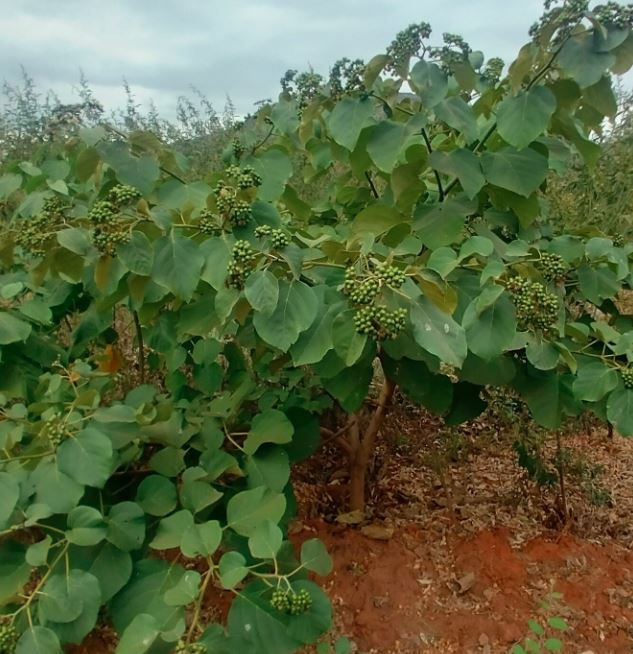
Cordia Africana is a valuable indigenous hardwood tree widely found across East and Central Africa, including Kenya, Ethiopia, Uganda, and Tanzania. Commonly known as Sudan Teak or East African Cordia, the tree belongs to the Boraginaceae family and is highly respected for its timber, agroforestry, and environmental benefits. Cordia Africana typically grows in warm, moderate to high rainfall areas and can reach heights of up to 30 meters under good conditions. It is commonly planted on farms for shade, soil conservation, and long-term timber value. The tree also produces edible fruits, attracts bees for pollination, and supports biodiversity, making it one of Africa’s most important multipurpose indigenous trees.
Common Names of Cordia Africana

Cordia Africana is known by many different names across Africa depending on the local language, region, and traditional use. These names reflect the tree’s deep cultural, ecological, and economic importance in farming communities and indigenous forests.In English, the tree is commonly referred to as Sudan Teak, East African Cordia, Large-Leaved Cordia. The name “Sudan Teak” comes from the tree’s valuable hardwood timber, which is often compared to true teak because of its durability and quality in furniture making.
Across East Africa, local communities use traditional names such as Mukumari or Mukebu in Uganda, Mringaringa or Mukumari in Swahili-speaking regions.Wanza in Ethiopia and Gambil in Arabic-speaking regions
Why Cordia Africana Is Becoming Popular in Kenya

Cordia Africana is becoming increasingly popular in Kenya because farmers, landowners, and environmental groups now recognize its long-term economic and ecological value. Unlike many exotic tree species, Cordia Africana integrates well into agroforestry systems by providing moderate shade without heavily competing with crops such as coffee, bananas, and fodder grass. The tree is highly valued for its premium hardwood timber used in furniture, doors, cabinets, and interior finishing, making it a profitable long-term investment.
Uses of Cordia Africana Tree

Cordia Africana is one of the most multipurpose indigenous trees in Africa. It is valued for timber, farming, environmental conservation, medicine, and many traditional uses.
Major Uses of Cordia Africana
Premium hardwood timber |
Furniture making |
Doors and window frames |
Cabinet making |
Interior finishing and paneling |
Carvings and decorative woodwork |
Drum and musical instrument production |
Beehive construction |
Firewood source |
Charcoal production |
Coffee farm shade tree |
Agroforestry systems |
Soil conservation |
Mulch production from leaf fall |
Windbreaks on farms |
Ornamental landscaping tree |
Bee forage and honey production |
Livestock shade |
Fodder source during dry seasons |
Traditional herbal medicine |
Treatment of wounds in traditional communities |
Support for biodiversity and bird habitats |
Forest restoration projects |
Riverbank stabilization |
Climate change mitigation through carbon storage |
Edible fruit production |
Nursery and seedling business opportunities |
Educational and environmental conservation projects |
In fertile, well-drained soils with adequate rainfall, young trees can grow approximately 1–2 meters per year. The species may reach about 7–8 meters within 7 years. Growth is faster in warm, moist areas and slower in dry or poorly managed environments. Proper spacing, watering, and protection from livestock greatly improve establishment and overall growth performance.
Where Does Cordia Africana Grow in Kenya
It is commonly found in Central Kenya, Rift Valley, Western Kenya, and parts of Eastern Kenya with fertile soils and reliable rainfall. The tree thrives in warm areas between 550 and 2600 meters above sea level and performs best in well-drained loamy soils with moderate to high rainfall conditions.
How to Grow Cordia Africana From Seeds
Collect ripe fruits
Pick mature yellow to orange fruits from a healthy Cordia Africana tree or collect freshly fallen fruits.
Remove the pulp
Soak the fruits in water, then rub them gently to remove the soft outer pulp.
Clean the seeds
Wash the seeds properly to remove any remaining fruit flesh, which can cause rotting.
Dry under shade
Spread the seeds in a cool shaded place for a short time. Avoid strong direct sun for long periods.
Prepare nursery soil
Use a mixture of fertile topsoil, sand, and compost/manure. The soil should drain well but still hold moisture.
Plant in nursery bags
Sow the seeds about 1–2 cm deep in seedling bags or a nursery bed.
Water regularly
Keep the soil moist but not waterlogged. Too much water can make the seeds rot.
Provide light shade
Use light shade during early germination, then gradually expose seedlings to more sunlight.
Protect young seedlings
Keep them safe from chickens, goats, rabbits, and strong weeds.
Transplant when strong
Move seedlings to the field when they are healthy, well-rooted, and about 30–45 cm tall.
Plant in a good site
Choose fertile, well-drained soil with enough rainfall and space for the tree to spread.
Manage after planting
Mulch, water during dry periods, and weed around the seedling until it establishes well.
How to Grow Cordia Africana From Seeds
Cordia Africana can be successfully grown from seeds when proper nursery and planting practices are followed. The process begins by collecting ripe yellow or orange fruits from healthy mature trees. The fleshy pulp surrounding the seeds should be removed by soaking and washing the fruits thoroughly. Clean seeds are then dried slightly under shade before planting.
Best Conditions for Cordia Africana
Cordia Africana grows best in warm areas with moderate to high rainfall and fertile, well-drained soils. The tree performs well in highland and mid-altitude regions between 550 and 2600 meters above sea level. It prefers loamy soils rich in organic matter and full sunlight for healthy growth.
Although it can tolerate short dry periods once established, young seedlings require regular moisture and protection from strong winds, livestock, and waterlogged conditions during early development.
Is Cordia Africana Good for Agroforestry?
Yes. Cordia Africana is considered one of the best indigenous agroforestry trees in East Africa. It provides moderate shade that works well with crops such as coffee, bananas, and fodder grasses without causing excessive competition. The tree improves soil fertility through leaf fall, supports pollinators like bees, reduces soil erosion, and adds long-term timber value to farms.
Cordia Africana Timber Value in Kenya
The timber is often compared to teak because of its attractive grain, durability, and ability to polish well. Due to increasing demand for quality hardwood and the decline of indigenous forests, mature Cordia Africana trees have become valuable long-term assets for farmers and landowners.
Challenges of Growing Cordia Africana
Young seedlings are vulnerable to livestock damage, drought stress, weeds, and poor nursery management.
The tree also requires fertile, well-drained soils and moderate rainfall for healthy development.
The tree also requires fertile, well-drained soils and moderate rainfall for healthy development.
Although Cordia Africana grows moderately fast, timber maturity still takes many years, requiring patience and long-term management.
Although Cordia Africana grows moderately fast, timber maturity still takes many years, requiring patience and long-term management.
Frequently Asked Questions (FAQ) About Cordia Africana
Cordia Africana is a valuable indigenous hardwood tree found across East Africa. It is widely known for its premium timber, agroforestry benefits, shade, and environmental importance.
What is Cordia Africana used for?
Cordia Africana is mainly used for:
High-quality timber
Furniture making
Agroforestry
Farm shade
Soil conservation
Beekeeping support
Landscaping
Traditional medicine
It is considered one of the most useful indigenous trees in Kenya.
Is Cordia Africana good for timber?
Yes. Cordia Africana produces premium hardwood timber that is highly valued for:
Furniture
Doors and windows
Cabinets
Interior finishing
Decorative woodwork
Its wood is durable, attractive, and easy to work with.
How fast does Cordia Africana grow?
Cordia Africana is considered moderately fast-growing under good conditions.
Young trees can grow:
About 1–2 meters per year
Growth depends on:
Rainfall
Soil fertility
Management practices
Spacing
Where does Cordia Africana grow in Kenya?
Cordia Africana grows well in:
Central Kenya
Rift Valley
Western Kenya
Parts of Eastern Kenya
It performs best in fertile, well-drained soils with moderate to high rainfall.
Can Cordia Africana be planted on farms?
Yes. Cordia Africana is one of the best agroforestry trees because it works well with crops and livestock systems.
Farmers plant it for:
Shade
Windbreaks
Soil improvement
Long-term timber income
Is Cordia Africana an indigenous tree in Kenya?
Yes. Cordia Africana is an indigenous African tree species naturally found in Kenya and other East African countries.
How do you grow Cordia Africana from seeds?
To grow Cordia Africana from seeds:
Collect ripe fruits
Remove the pulp
Clean and dry seeds slightly
Plant in nursery tubes
Water regularly
Seeds usually germinate within a few weeks under proper conditions.
Does Cordia Africana improve soil fertility?
Yes. The tree helps improve soil fertility by:
Adding organic matter through leaf fall
Reducing soil erosion
Supporting moisture retention
Enhancing biodiversity
Is Cordia Africana good for coffee farms?
Yes. Cordia Africana is commonly planted in coffee farms because it provides moderate shade without heavily competing with crops.
Does Cordia Africana have medicinal uses?
Traditional communities have used parts of the tree for herbal remedies related to:
Coughs
Stomach problems
Wound care
However, medicinal use should always be verified by qualified professionals.
Why is Cordia Africana important in agroforestry?
Cordia Africana supports sustainable farming because it:
Provides valuable timber
Protects soil
Supports pollinators
Offers shade
Improves biodiversity
It is considered one of the top indigenous agroforestry trees in East Africa.
How long does Cordia Africana take to mature?
Cordia Africana may take:
12–20 years to reach timber maturity
Proper management and good rainfall can improve growth speed.
Is Cordia Africana drought tolerant?
Cordia Africana can tolerate moderate dry conditions once established, but it performs best in areas with reliable rainfall and fertile soils.
Why are farmers planting more Cordia Africana trees?
Farmers are increasingly planting Cordia Africana because of:
Rising timber demand
Agroforestry benefits
Environmental conservation
Long-term investment value
Climate resilience


Comments