
Lantana Camara Medicinal Uses: How to Use Leaves, Benefits for Skin, Memory & Side Effects

Updated: May 5
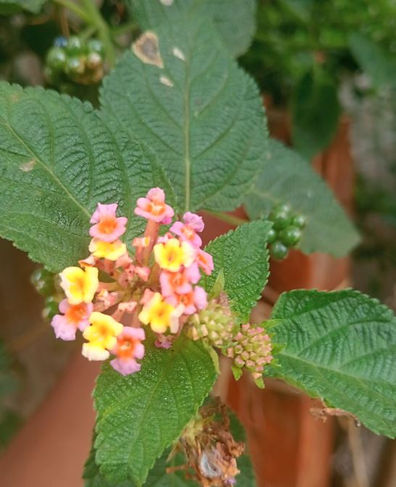
Bright pink and yellow Lantana Camara flowers bloom on lush green leaves
0.)About Lantana camara
1.)Lantana Camara Common names
2.)Is Lantana camara a Medicinal Plant
6.)Antibacterial and Antifungal Properties of Lantana camara
7.)Anti-Inflammatory and Antioxidant Benefits
8.)Lantana camara in Traditional African, Asian & Indian Medicine
10.)Side Effects and Toxicity of Lantana camara
About Lantana camara
Lantana camara is listed among the world’s most invasive species. It spreads aggressively, displaces native vegetation, and is toxic to livestock.

Hand holding a pink and yellow Lantana Camara flower at Karura Forest
Flowers: Small, tubular, clustered; change color from yellow to orange, pink, red, or purple as they mature
Lantana camara is a perennial flowering shrub belonging to the Verbenaceae family. It is widely known for its bright, multicolored flowers, strong scent, rapid growth, and ability to thrive in harsh environments. Although admired as an ornamental plant, Lantana camara is also regarded as one of the world’s most invasive plant species, with significant ecological, agricultural, and health implications.

Pink and yellow Lantana Camara flowers at Karura Forest
Want To Learn More About Kenya's National Bird and Flower Start Here >>>
Want To Learn More About The Gum Arabic Tree start Here >>>
Want To Learn More About Karura Forest Vegetation Start Here >>>
Want To Learn More About Soil Testing Start Here >>>
1. Skin Health & Wound Healing
Fresh leaves or paste are used to treat eczema, rashes, boils, wounds, and ulcers.
It’s a natural antiseptic and antimicrobial that cleans and promotes faster healing.
Crushed leaves can also be applied to the temples and head to relieve headaches and migraines
Botanical Classification
Kingdom: Plantae
Order: Lamiales
Family: Verbenaceae
Genus: Lantana
Species: Lantana camara
Leaves: Rough, oval-shaped, hairy, with a strong smell when crushed

Close-up of dark Lantana Camara
Lantana camara is native to Central and South America, particularly tropical regions. Over time, it was introduced to Africa, Asia, Australia, the Caribbean, and parts of Europe as an ornamental hedge plant.
📍 Visit Beyond Forest Cyber Office Today (3 mins from Windsor)

Services:
📄 Bulk Printing, Photocopy & Scanning
🧾 KRA Returns, PIN & Tax Services
🚗 NTSA Services (DL, Smart DL, TIMS)
🏢 eCitizen Services (Certificates, Applications)
📑 CV Writing & Document Formatting
📊 Online Applications & Form Filling
Fruits: Small round berries; green when unripe (toxic), dark purple-black when ripe
Learn About The Mugambera Tree, Manilkara Discolor .Karura Forest Oldest Tree Start Here >>>
Soon everyone is going to be a cow.... All the weed nowadays has healthy benefits 😂-Samuel Karanja
Lantana Camara Common names
Commonly called Lantana, Tickberry, or Mshangati in East Africa.Mutavisi,Musavivu or mutavisi,uviviti
2. Brain Power & Memory Support
Lantana camara is revered as a brain booster, improving memory retention and mental clarity.
Traditionally used to strengthen the nervous system and is believed to help prevent or manage Alzheimer’s disease and other neurodegenerative conditions. The herb enhances circulation to the brain and helps reduce mental fatigue.
📍 Visit Beyond Forest Cyber Office Today (3 mins from Windsor)
Services:
📄 Bulk Printing, Photocopy & Scanning
🧾 KRA Returns, PIN & Tax Services
🚗 NTSA Services (DL, Smart DL, TIMS)
🏢 eCitizen Services (Certificates, Applications)
📑 CV Writing & Document Formatting
📊 Online Applications & Form Filling
📲 WhatsApp / Call: 0748102359 /0712582851
Is Lantana camara a Medicinal Plant
Naturally siwezi pita huu mti bila kuchuna majani yake ama maua nismell,I love it's smell + it calms me-DoralFred

The wild fruits we used to consume on our way back to school after lunch. It was a delicacy. And we would compete for them with a certain bird I don't know the bird's name. They grow naturally. Back to our routes-Lilian Kathambi
Lantana camara is considered a medicinal plant in traditional medicine systems, mainly for external use. Communities in Africa, Asia, and Latin America have used it for wound care, skin infections, and inflammation. Scientific studies confirm it contains antimicrobial and anti-inflammatory compounds.
However, due to its toxicity when ingested, it is not recognized as a safe medicinal plant for internal use in modern medicine.
Traditional Medicinal Uses of Lantana camara

In traditional medicine, Lantana camara has been used mainly for external treatments. Crushed leaves or leaf extracts were applied to wounds, cuts, skin infections, and insect bites to reduce infection and inflammation. Some communities also used it for managing fever, swelling, and respiratory discomfort. These practices are based on indigenous knowledge and experience, though modern science advises caution due to the plant’s known toxicity when misused.
Very true,it has a medicinal value,goats like it .-Pinchez Mac
📍 Visit Beyond Forest Cyber Office Today (3 mins from Windsor)
Services:
📄 Bulk Printing, Photocopy & Scanning
🧾 KRA Returns, PIN & Tax Services
🚗 NTSA Services (DL, Smart DL, TIMS)
🏢 eCitizen Services (Certificates, Applications)
📑 CV Writing & Document Formatting
📊 Online Applications & Form Filling
📲 WhatsApp / Call: 0748102359 /0712582851
Medicinal Uses of Lantana camara Leaves
Traditionally, Lantana camara leaves have been used for topical medicinal purposes. Crushed or boiled leaves were applied externally to wounds, burns, skin infections, and fungal conditions to help control infection and reduce inflammation. Studies indicate the leaves contain antimicrobial and antioxidant compounds.
Lantana camara, known locally among the Gīkúyū as thiwaka, macimoro, karendi, mútharúria, or múkigí, is a hardy shrub often planted as a hedge and also used as fodder for goats.
It thrives during the rainy season and can be found along fences, roadsides, and in the wild.
Though often termed invasive, this plant is a true medicine chest of Mother Nature, and with proper management, it remains one of the most useful herbs for healing the body, mind, and spirit. -Nyanchama Okerosi
Lantana camara Benefits for Skin

there's a bird that likes them alot...we call it inywiii in our dialect- it has a long tail😊-Nyumbani Realtors
Due to Lantana Camara antimicrobial and anti-inflammatory properties. External application of leaf extracts has been used to help manage minor wounds, cuts, rashes, and fungal infections. Laboratory studies suggest the plant may inhibit bacterial and fungal growth.
However, direct skin contact can cause irritation in some people, so cautious and limited use is advised.
Antibacterial and Antifungal Properties of Lantana camara
The fragrance from its blossoms is calming and refreshing — a reminder of nature’s healing beauty.
Studies show that Lantana camara contains bioactive compounds with antibacterial and antifungal activity, particularly in its leaves and stems. Laboratory research has demonstrated effectiveness against certain bacteria and fungi responsible for skin and wound infections. These properties explain its traditional external use in folk medicine.
3. Anti-inflammatory and Cancer Support
Contains flavonoids, terpenoids, and alkaloids that help the body fight inflammation.
Traditionally used to reduce swelling, joint pain, and cancer-related inflammations.
Supports the body’s natural healing and detoxification processes.
Anti-Inflammatory and Antioxidant Benefits
Lantana camara contains natural compounds such as flavonoids, phenolics, and triterpenoids that exhibit anti-inflammatory and antioxidant properties in laboratory studies. These compounds may help reduce inflammation and neutralize harmful free radicals, supporting wound healing and skin protection when used externally.
I had recurring nose bleeding one time while on duty in Kibos,Kisumu I bled to almost unconscious.i week to a hospital located at Carwash then was given vitamin c though it ceased not.later at JTRH they did a haemogram ( hope that's the correct term)still no help.some kwa kazi suggested this Lantana camara.i used it now it's 11years not experienced nose bleeding.-Isaac Monange
Want To Learn More About Thindigua Start Here>>>
Lantana camara in Traditional African, Asian & Indian Medicine
From where I grew up in Mang'u area of Gatūndū North in Kiambu county it's called Mūcegeci and plural Mīcegeci...the ripe berries were known as mai ma ngige and commonly pronounced as maiya-ngige.
The most common usage was as a hedge,goat feed and for humans we'd use it's branches to make toothbrushes.-Ankle Yule Mwikeneri
In traditional African, Asian, and Indian medicine, Lantana camara has been used mainly for external healing practices. Communities applied crushed leaves to wounds, skin infections, and insect bites, and used it to reduce inflammation and fever. In some regions, it was also used as an insect repellent.
Lantana camara: Medicinal Plant or Dangerous Invasive Species
Lantana camara presents a complex dual identity. While traditional medicine and laboratory studies suggest antimicrobial and anti-inflammatory properties, the plant is also one of the world’s most aggressive invasive species. It spreads rapidly, displaces native vegetation, and poisons livestock. Due to its ecological damage and human health risks, most experts classify Lantana camara as environmentally harmful despite its limited medicinal potential.
📍 Visit Beyond Forest Cyber Office Today (3 mins from Windsor)
Services:
📄 Bulk Printing, Photocopy & Scanning
🧾 KRA Returns, PIN & Tax Services
🚗 NTSA Services (DL, Smart DL, TIMS)
🏢 eCitizen Services (Certificates, Applications)
📑 CV Writing & Document Formatting
📊 Online Applications & Form Filling
📲 WhatsApp / Call: 0748102359 /0712582851
Side Effects and Toxicity of Lantana camara
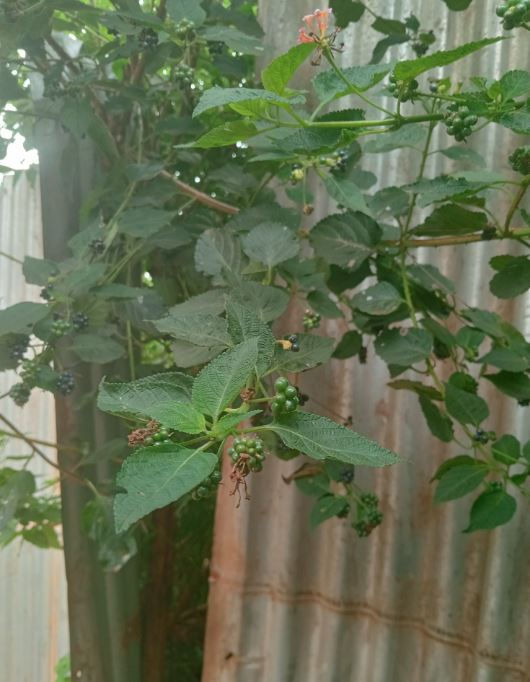
Green leaves and unripe Lantana Camara
Lantana camara is highly toxic if ingested. Its leaves and unripe berries contain compounds that can cause nausea, vomiting, abdominal pain, and serious liver damage. Skin contact may cause irritation in sensitive individuals.
Frequently Asked Questions on Lantana Camara
Oh, so this is why I used to top in primary school! This was a daily dose on our way from school😂- Christine
Is Lantana camara a medicinal plant?
Yes, Lantana camara has been used in traditional medicine in parts of Africa, Asia, and Latin America, mainly for external applications such as wound care and skin infections. However, its medicinal use is largely based on ethnobotanical knowledge and laboratory studies rather than approved clinical treatments.
Learn About Beyond Forest: How 44,000+ Buyers Found Suppliers Through Our Price Platform (Global Reach 2026) Here >>>
Traditionally, Lantana camara has been used for Treating minor wounds and cuts, Managing skin infections and rashes, Reducing inflammation, Repelling insects, Controlling microbial growth (based on lab studies) and Most uses involve topical application, not internal consumption.
📍 Visit Beyond Forest Cyber Office Today (3 mins from Windsor)
Services:
📄 Bulk Printing, Photocopy & Scanning
🧾 KRA Returns, PIN & Tax Services
🚗 NTSA Services (DL, Smart DL, TIMS)
🏢 eCitizen Services (Certificates, Applications)
📑 CV Writing & Document Formatting
📊 Online Applications & Form Filling
📲 WhatsApp / Call: 0748102359 /0712582851
Research suggests Lantana camara extracts have antibacterial, antifungal, and anti-inflammatory properties, which may help in managing minor skin infections, wounds, and fungal conditions when used externally. However, improper use can cause skin irritation in sensitive individuals.
Researchers have identified several bioactive compounds in Lantana Camara , including:
Triterpenoids (lantadenes)
Flavonoids
Essential oils
Phenolic compounds
Can Lantana camara be consumed as tea or medicine?
No. Internal consumption is strongly discouraged.Lantana camara contains toxic compounds that can cause liver damage, gastrointestinal problems, and poisoning, especially when ingested. Many reported poisoning cases are linked to oral use.
Is Lantana camara poisonous to humans?
Yes. All parts of the plant—especially the leaves and unripe berries—are considered toxic if ingested. Poisoning symptoms may include nausea, vomiting, abdominal pain, and liver complications. Medical attention is required if ingestion occurs.
Is Lantana camara safe for herbal medicine?
Lantana camara is not considered safe for unsupervised herbal medicine, particularly for internal use. Even external use should be approached cautiously and ideally under guidance from trained professionals.
What does science say about Lantana camara medicinal properties?
Laboratory studies have identified compounds with antimicrobial, antioxidant, and anti-inflammatory activity. However, most findings are based on in-vitro or animal studies, and there is limited clinical evidence supporting safe medicinal use in humans.
Why is Lantana camara banned or controlled in some countries?
Lantana camara is listed among the world’s most invasive species. It spreads aggressively, displaces native vegetation, and is toxic to livestock. Many countries regulate or discourage its cultivation due to environmental and agricultural damage.
Why Lantana camara Spreads Aggressively
Grows rapidly and regrows after cutting or burning
Produces thousands of seeds dispersed by birds
Tolerates drought, poor soils, and high temperatures
Releases allelopathic chemicals that suppress nearby plant growth
These traits allow it to outcompete native vegetation.
Yes. Grazing animals such as cattle, sheep, and goats can suffer severe poisoning after consuming Lantana camara. This is one of the major reasons the plant is actively controlled in rangelands.
Is Lantana camara more harmful or beneficial?
Lantana camara has a dual nature. While it shows potential medicinal properties under controlled conditions, its toxicity and invasive behavior make it more harmful than beneficial in most environments if not carefully managed.
Should Lantana camara be used for home remedies?
Using Lantana camara for home remedies is not recommended, especially for drinking or internal treatment. Safer, well-researched medicinal plants should be considered instead.

Learn About Beyond Forest: How 44,000+ Buyers Found Suppliers Through Our Price Platform (Global Reach 2026) Here >>>


Trong lúc sử dụng ev99 trên smartphone khi đang nghỉ ngơi, tôi tập trung nhiều hơn vào khả năng hiển thị và thao tác bằng màn hình cảm ứng. Giao diện được điều chỉnh theo chiều rộng thiết bị, các khu vực chính vẫn giữ được thứ tự tương đối dễ nhận biết. Người dùng có thể chuyển sang thể thao, casino hoặc nổ hũ mà không cần thực hiện quá nhiều bước. Các thông tin tài khoản và giao dịch cũng được bố trí tách biệt với khu vực trò chơi, giúp màn hình không bị dồn quá nhiều chi tiết. Bên cạnh đó, bắn cá và game bài được phân loại riêng, tạo thuận lợi khi muốn đổi nội…
Khi truy cập u888com.work trên điện thoại, tôi chú ý đến cách giao diện phân chia nội dung thành từng khu vực khá rõ. Trang chủ không dồn quá nhiều thông tin vào một vị trí nên việc quan sát và lựa chọn tương đối thuận tiện. Sảnh casino tập trung các trò như Baccarat, Sicbo, Roulette, trong khi thể thao được sắp xếp theo từng bộ môn và nhóm kèo. Nổ hũ cũng có khu vực riêng với nhiều chủ đề khác nhau, giúp người dùng dễ nhận diện nội dung mình muốn xem. Cách bố trí này giảm số lần tìm kiếm thủ công, đồng thời giúp ghi nhớ vị trí các danh mục sau vài lần truy cập.…
Khi quan sát bố cục của https://topxx88.com/ , mình thấy điểm đáng chú ý là các khu giải trí chính được đặt theo hướng dễ tiếp cận. Người dùng có thể thấy thể thao, đá gà và casino mà không cần đi qua quá nhiều lớp menu. Mình thử xem phần đá gà với livestream Thomo để cảm nhận cách một chuyên mục trực tiếp được trình bày. Khu này cần hình ảnh rõ và thao tác nhanh, vì người dùng thường muốn theo dõi tình huống ngay. Các phần còn lại giúp trang có thêm độ rộng nhưng không lấn át nhau. Ngoài ra, tốc độ xử lý nhanh cũng làm trải nghiệm thị giác liền mạch hơn khi chuyển…
Trong lúc theo dõi quá trình làm quen với nền tảng, mình nhận thấy mb66 mang lại cảm giác khá trực quan ở cách xây dựng bố cục. Các chuyên mục như casino trực tuyến, bắn cá, thể thao và xổ số được chia thành từng nhóm riêng nên người dùng dễ tiếp cận hơn. Theo trải nghiệm của mình, giao diện giữ được sự thống nhất giữa các phần nội dung, góp phần giảm thời gian tìm kiếm khi chuyển đổi chức năng. Trong quá trình sử dụng, tốc độ phản hồi ổn định, tải trang đều và thao tác điều hướng khá mượt
Mình có thói quen xem giao diện trước khi tìm hiểu sâu hơn và 789K mang đến cảm giác khá dễ làm quen. Điều mình chú ý là nền tảng không chỉ giới thiệu các chuyên mục giải trí mà còn trình bày khá đầy đủ về giấy phép hoạt động, khả năng bảo vệ dữ liệu, hỗ trợ người dùng và tối ưu đa thiết bị. Khi chuyển qua lại giữa thể thao, casino trực tuyến rồi xổ số, mình không gặp khó khăn trong việc điều hướng. Theo mình, một giao diện biết sắp xếp thông tin hợp lý sẽ giúp người dùng tiếp cận hệ thống nhanh hơn.