
KOKO Networks Collapse Explained: Why Kenya Denied Carbon Credit Approval and What Happens Next

Updated: Feb 27

1.)What Was KOKO Networks and How Did It Work
4.)The Carbon Credit Dispute: Compliance vs Voluntary Markets
6.)What Happens to KOKO Customers Now
8.)What This Means for Kenya’s Clean Energy Sector
What Was KOKO Networks and How Did It Work
By 2026, KOKO had reportedly reached over one million Kenyan households before entering administration.
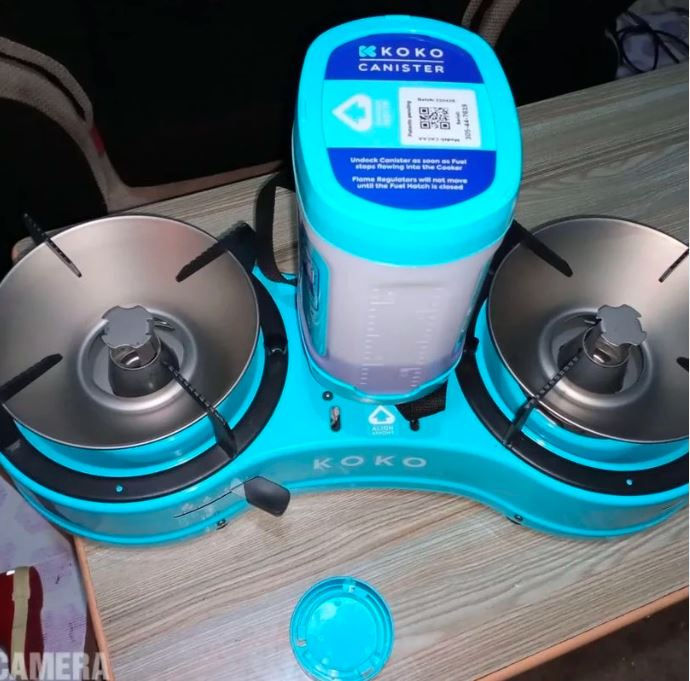
Koko Networks was a Kenyan clean-energy company that aimed to replace charcoal and kerosene with affordable bioethanol cooking fuel. Founded in 2013, the company built a nationwide network of smart fuel vending machines known as KOKO Points, allowing households to refill bioethanol using a digital wallet system. The business model relied on distributing subsidized two-burner stoves and earning revenue from carbon credits generated by reducing deforestation and emissions. These credits were sold in international markets to finance lower fuel prices for low-income families.
Want To Learn More About Charcoal Prices In Kenya Learn Here >>>
Why Did Kenya Deny KOKO Carbon Credit Approval

Kenya denied full carbon credit approval to Koko Networks because of concerns over how many credits the company sought to transfer into international compliance markets. Under Article 6 of the Paris Agreement, countries must authorize carbon credit exports and adjust their national emissions accounts accordingly. Kenyan officials argued that the volume KOKO requested could consume a large share of the country’s allowable transferable credits, potentially crowding out other sectors like agriculture, forestry, and manufacturing. The government also cited issues around transparency and alignment of the business model, maintaining that approvals must protect Kenya’s long-term climate commitments and credibility in global carbon markets.
Want To Learn More About Treated Eucalyptus Post Prices Learn Here >>>
Will Charcoal Prices Rise After KOKO’s Exit

If supply remains steady, price spikes may be moderate rather than dramatic.
KOKO’s exit could place upward pressure on charcoal prices, especially in urban areas where many households had shifted to bioethanol. When Koko Networks supplied subsidized fuel, it reduced demand for charcoal and helped stabilize prices. With that alternative disrupted, some households may return to charcoal, increasing demand.

The dispute centered on the difference between compliance and voluntary carbon markets. Compliance markets operate under frameworks like Article 6 of the Paris Agreement, where governments must formally authorize credit transfers between countries. These credits typically trade at higher prices but face strict accounting and national limits. Voluntary markets, by contrast, allow companies to buy credits without government-to-government adjustments, often at lower prices. Koko Networks depended on higher-value compliance credits, making regulatory approval critical to its financial sustainability.
Want To Learn More About The Dairy Industry In Kenya Learn Here >>>
KOKO Assets Up for Sale: What Is PwC Selling

After entering administration, Koko Networks had its business and assets placed on the market by joint administrators from PwC. Investors were invited to submit Expressions of Interest to either acquire the company as a going concern or purchase selected assets. These include KOKO’s nationwide network of smart bioethanol vending machines (KOKO Points), digital fuel tracking software, tanker and depot systems, intellectual property, vehicles, and office equipment. The goal is to determine whether the company can be revived or whether asset sales will provide better returns to creditors.
What Happens to KOKO Customers Now

Image of a Man at Koko Factory assembles Koko 2 Burner machines by Shweta
Following the administration of Koko Networks, customers face uncertainty regarding fuel availability and pricing. Operations may continue temporarily under administrators as they assess rescue options, but long-term stability depends on securing new investors. If supply disruptions occur, some households may switch back to charcoal or LPG.
Could Another Investor Revive KOKO

Aerial view of KOKO industrial area by Shweta
Yes, another investor could potentially revive Koko Networks if they are willing to inject substantial capital and restructure the business model. Administrators from PwC are seeking buyers for either the entire company or key assets. However, any revival would depend on regulatory alignment, sustainable fuel pricing, and a more diversified revenue strategy beyond heavy reliance on carbon credit sales.
What This Means for Kenya’s Clean Energy Sector
The collapse of Koko Networks sends an important signal to Kenya’s clean energy sector. It highlights the risks of business models that depend heavily on carbon credit revenues and regulatory approvals under frameworks like the Paris Agreement. Investors may become more cautious, demanding clearer policy guarantees and diversified income streams. At the same time, the situation creates space for new players to enter the clean cooking market with stronger financial structures, blended revenue models, and closer alignment with national climate strategies.
Frequently Asked Questions About KOKO Networks Collapse
What happened to KOKO fuel in Kenya?
KOKO Networks entered administration in February 2026 after a dispute with the Kenyan government over carbon credit approvals. The company relied on revenue from selling carbon credits under international compliance markets to subsidize bioethanol fuel prices. When regulatory approval for exporting those credits was not granted, KOKO struggled financially and was placed under administration by its directors.
Why did Kenya deny KOKO carbon credit approval?
Kenya denied full authorization because the government argued that KOKO’s requested carbon credit allocation would have consumed the country’s allowable share under international compliance markets. Officials stated that approving the full amount would have crowded out other eligible projects in agriculture, manufacturing, and forestry.
Is KOKO fuel still available in Kenya?
Availability may vary depending on ongoing administrative processes. Since the company has been placed under administration, PwC-appointed administrators are assessing whether operations can continue or whether assets will be sold to new investors. Customers should monitor official updates regarding fuel supply continuity.
PwC has invited investors to submit Expressions of Interest (EOIs) to acquire either the company as a going concern or selected assets. These include KOKO’s nationwide network of smart bioethanol vending machines (KOKO Points), proprietary software, fuel depots, tanker systems, vehicles, and other operational equipment.
What are carbon credits and why were they important to KOKO?
Carbon credits represent verified reductions in greenhouse gas emissions. KOKO generated credits by replacing charcoal use with cleaner bioethanol fuel, reducing deforestation and emissions. The company sold these credits in global markets to subsidize cooking fuel prices. Without access to compliance carbon markets, its business model became financially strained.
What is Article 6 of the Paris Agreement?
Article 6 of the Paris Agreement allows countries and companies to trade carbon emission reductions internationally. However, each country has limits on how many credits can be transferred abroad. In Kenya’s case, approval from regulators is required before credits can be sold into compliance markets.
Will charcoal prices increase after KOKO’s exit?
KOKO’s exit may increase demand for charcoal and LPG in urban areas, potentially putting upward pressure on prices. However, market dynamics depend on supply, regulation, and alternative clean energy solutions entering the market.
Could another investor revive KOKO?
Yes. PwC administrators are seeking serious investors willing to inject substantial capital to either acquire the company as a whole or purchase key assets. If regulatory issues are resolved and new funding is secured, the business could potentially be revived.
How many households were using KOKO fuel?
Before entering administration, KOKO reportedly served approximately 1.5 million households across Kenya through its network of around 3,000 bioethanol fuel vending machines.
The collapse highlights regulatory and financing risks tied to carbon-credit-dependent models. It may cause investors to reassess climate-tech ventures, but it also creates opportunities for new business models that combine clean energy distribution with diversified revenue streams.


Comments