
Private Conservancies in Kenya (2026 Guide): Where to Go for Exclusive, Low-Impact Safaris

Updated: Mar 10

2.)Why Choose a Private Conservancy for Your Kenya Safari in 2026
4.)Laikipia’s Leading Private Conservancies
5.)Samburu & Northern Kenya Conservancies
7.)Conservancy Fees & Safari Costs in 2026

Image of a Safari jeep with six people at Mara Naboisho Conservancy watches a lion by Far'n Away Travel
A private conservancy in Kenya is a protected wildlife area managed through partnerships between local landowners, communities, conservation trusts, and safari operators. Unlike national parks run by the government, conservancies operate under agreements that set strict visitor limits and prioritize low-impact tourism. Land is often leased from community members, who receive income through tourism revenue, employment, and conservation fees.
Namunyak Wildlife Conservancy is one of the largest private/community hybrid conservancies in the northern ecosystem and offers true wilderness safari experiences.

Escape the Crowds in 2026
Ready for a low-impact, exclusive safari experience?
🌍 Request your custom conservancy itinerary. 👉 Request Here
This model helps protect wildlife habitats, migration corridors, and endangered species while supporting local livelihoods. Many conservancies allow guided activities such as walking safaris and night drives under controlled conditions, creating a more exclusive and conservation-focused safari experience compared to public reserves.
Why Choose a Private Conservancy for Your Kenya Safari in 2026
Conservancies also safeguard critical migration corridors, fund anti-poaching units, and support endangered species programs such as rhino monitoring.

Image of Three rhinos graze on a grassy savanna at Ol -Pejeta by Adventure 360 Africa
Conservancies limit vehicle numbers, meaning fewer crowds at wildlife sightings and more intimate game drives.
Guests often enjoy activities not widely permitted in public reserves, such as guided bush walks, night drives, and off-road tracking in designated areas.
Speak to a Kenya Safari Planner
We’ll help you choose the right conservancy for big cats, photography, or family travel. 👉 Request Here
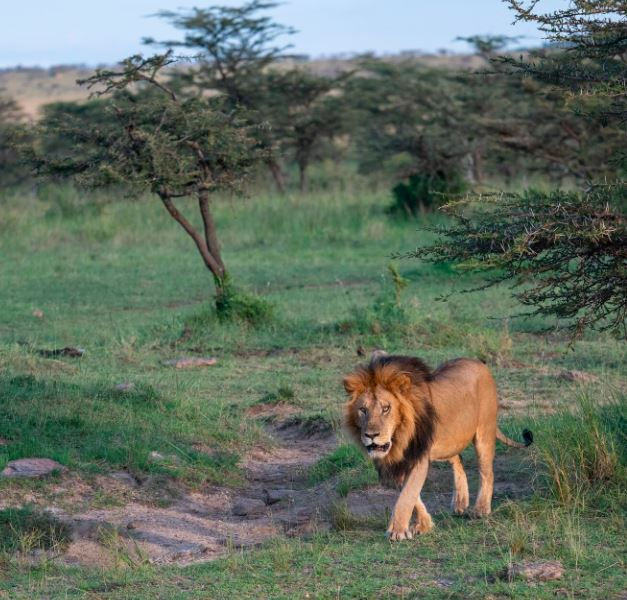
We waited for hours to see if the King would finally make his appearance. He did not disappoint. -Robert M Becker
Conservancy fees directly support local communities and conservation programs, ensuring your safari contributes to habitat protection, anti-poaching efforts, and sustainable tourism development.
Get a Free Safari Cost Breakdown (2026)
Know exactly what to budget — no surprises.👉 Request Here

Image of a Rhino running in a grassy field, with people observing from a container by Nathan Mixon
Kalama and Sera are key areas within the larger Samburu ecosystem with strong predator presence and cultural engagement with Samburu communities.
Private Conservancies in Maasai Mara (With Sizes) Explained
Conservancy | Approx. Size (Acres) | Known For |
Mara North | 74,000 acres | High lion & leopard density |
Naboisho | 50,000 acres | Cheetahs & large lion prides |
Olare Motorogi | 35,000 acres | Big cats & elephants |
Ol Kinyei | 18,700 acres | Open plains & cheetahs |
Lemek | 19,000 acres | Mixed habitats & riverine zones |
Siana | 50,000 acres | Migration corridors |
Enonkishu | 6,000 acres | Rewilding & community projects |
Northern Rangelands Trust (NRT) northern conservancies are extensive and community-owned, focusing heavily on sustainable land management and pastoralist livelihoods — not typically “big cat safari hotspots” but important for conservation corridors.
Laikipia’s Leading Private Conservancies (With Sizes)
Conservancy | Approx. Size (Acres) | Known For |
Lewa Wildlife Conservancy | 62,000 acres | Black rhino & Grevy’s zebra conservation |
Ol Pejeta Conservancy | 90,000 acres | Big five, chimpanzee sanctuary |
Borana Conservancy | 37,000 acres | Exclusive wildlife & horseback safaris |
Ol Jogi Conservancy | 30,000 acres | Rare species & private safari experiences |
Solio Ranch Conservancy | 22,000 acres | High rhino concentration |
Olonana Conservancy | 26,000 acres | Intimate wildlife viewing |
Namunyak Wildlife Conservancy | 40,000 acres | Remote wilderness & Samburu culture interface |
Samburu & Northern Kenya Conservancies (With Sizes)
Conservancy | Approx. Size (Acres) | Known For |
Sera Conservancy | 40,000 acres | Rhino conservation, elephant tracking |
Northern Rangelands Trust (NRT) Cluster | 1.8 million+ acres total | Vast community-owned conservancies |
Buffalo Springs Wildlife Conservancy | 156,000 acress | Plains game, acacia woodlands |
Shaba National Reserve | 268,000 acres | Reticulated giraffe, Grevy’s zebra |
Kalama & West Gate Conservancy Area | 47,000+ acres total | Elephant corridors, predator viewing |
Which Conservancies Have the Highest Big Cat Density

Mara North Conservancy | Very high lion pride concentration |
Naboisho Conservancy | nown for large resident lion prides |
Olare Motorogi Conservancy | Strong lion and elephant presence |
Ol Kinyei Conservancy | Open plains ideal for cheetah hunting |
Ol Pejeta Conservancy | High predator-prey balance |
Lewa Wildlife Conservancy | Leopard territories in wooded areas |
Conservancy Fees & Safari Costs in 2026
Conservancy fees and safari costs in Kenya for 2026 vary depending on residency status, season, and the specific conservancy. Using Ol Pejeta Conservancy as a benchmark, non-residents pay approximately USD 110 per adult for daily entry, while East African citizens pay KSh 2,000. In addition to entry fees, many conservancies charge per-night conservation or accommodation rates, which can range from about USD 80–150 per person per night depending on group size and property type.. Specialized experiences such as lion tracking or night game drives may cost around USD 70 per adult
Visitor Density Comparison: Which Conservancies Are Least Crowded

Visitor density is one of the biggest differences between Kenya’s national parks and private conservancies. Private conservancies operate under strict bed and vehicle limits, meaning fewer safari vehicles at wildlife sightings and more space across large tracts of land. In the Maasai Mara ecosystem, conservancies such as Naboisho, Olare Motorogi, and Ol Kinyei maintain low guest-to-acre ratios compared to the main reserve, resulting in quieter game drives and longer viewing times. In Laikipia, properties like Lewa and Borana also enforce controlled access. Lower visitor density not only enhances exclusivity but reduces wildlife stress and supports sustainable, low-impact tourism.
Get a Free Safari Cost Breakdown (2026)
Know exactly what to budget — no surprises.👉 Request Here

The best time to visit Kenya’s private conservancies is during the dry season from June to October, when wildlife gathers around water sources and vegetation is thinner, making animal sightings easier. This period also coincides with the Great Migration in the Maasai Mara ecosystem. However, the green season (November to May) offers fewer visitors, dramatic landscapes, and excellent predator activity during calving months. For photographers and travelers seeking lower rates and quieter safaris, the shoulder months can be especially rewarding.
Photographers often prefer conservancies with low vehicle density and open plains, ideal for uninterrupted wildlife shots. Families benefit from flexible game-drive schedules, private vehicles, and educational bush walks tailored for children. Honeymooners and luxury travelers gravitate toward ultra-exclusive conservancies with private villas and personalized service. First-time safari visitors may choose conservancies with strong guiding standards and high wildlife density to maximize sightings while enjoying a quieter, more intimate experience.
Sustainability & Conservation Impact of Private Conservancies

Private conservancies in Kenya play a significant role in advancing sustainable tourism and long-term wildlife protection. By limiting visitor numbers and enforcing strict vehicle controls, they reduce habitat degradation and wildlife disturbance compared to high-traffic public reserves. Many conservancies operate under land-lease agreements with local communities, ensuring that tourism revenue supports education, healthcare, and employment. This model incentivizes communities to protect wildlife rather than convert land for agriculture or settlement.

What is a private conservancy in Kenya?
A private conservancy in Kenya is a protected wildlife area managed by private landowners or local communities in partnership with safari operators. Unlike national parks, conservancies limit visitor numbers, allow off-road driving, and offer exclusive safari experiences while directly funding conservation and local livelihoods.
How are private conservancies different from national parks in Kenya?
Private conservancies restrict vehicle numbers, offer off-road game drives, night safaris, and guided walks — activities usually not permitted in national parks. Conservancies also provide more intimate wildlife encounters and lower crowd density compared to public reserves like the Maasai Mara National Reserve.
Are conservancies better than national parks for a safari?
It depends on your preference. Conservancies offer exclusive, low-impact safaris with fewer vehicles and flexible activities. National parks are generally larger, more affordable, and accessible. Travelers seeking privacy, luxury, and premium wildlife viewing often prefer conservancies.
Which conservancy in Kenya has the highest big cat density?
Several Maasai Mara conservancies — including Mara North, Naboisho, and Olare Motorogi — are known for high densities of lions, cheetahs, and leopards. Laikipia conservancies like Lewa and Ol Pejeta also offer strong predator sightings alongside rhino conservation.
Are private conservancies more expensive than national parks?
Yes, conservancies typically charge additional nightly conservancy fees on top of accommodation costs. However, the higher price often includes lower visitor density, more personalized experiences, and extended safari activities such as night drives and walking safaris.
Can you self-drive in a private conservancy?
Most private conservancies require guests to stay at partner lodges or camps and participate in guided game drives. Self-driving is generally restricted to maintain low vehicle density and preserve wildlife habitats.
What is the average conservancy fee in Kenya for 2026?
Conservancy fees vary by location but typically range between $70 and $200 per person per night, depending on the conservancy and season. Fees are usually separate from accommodation rates.
What is the best time to visit Kenya’s private conservancies?
The dry season (June to October) offers excellent wildlife visibility and coincides with the Great Migration in Maasai Mara conservancies. The green season (November to May) provides fewer crowds, lush landscapes, and strong predator activity during calving months.
Do conservancy fees include park fees?
No, conservancy fees and national park fees are separate. If your itinerary includes both a conservancy and a national reserve like Maasai Mara, you may pay fees for each area depending on your travel plan.
Are private conservancies more sustainable than national parks?
Private conservancies often operate under strict conservation models, including wildlife corridor protection, anti-poaching programs, and community revenue-sharing. Their limited visitor model supports low-impact tourism and habitat preservation.
Which conservancies are best for photography safaris?
Mara North, Naboisho, Olare Motorogi, and Lewa Wildlife Conservancy are highly regarded for photography due to lower vehicle congestion, open plains, and strong predator populations.
Are conservancies suitable for family safaris?
Yes. Many conservancies offer family-friendly lodges, private vehicles, flexible game drive schedules, and educational bush walks tailored to children.


Me pareció muy interesante la información compartida y está explicada de forma clara. Para quienes consultan resultados y quieren mantenerse informados, puede ser útil revisar también loteria nacional y comparar la información disponible. Gracias por compartir contenido tan práctico y fácil de entender.
Kenya’s private conservancies offer travelers a more intimate safari experience, focusing on low‑impact tourism and wildlife preservation. These areas often provide fewer crowds, personalized guides, and direct contributions to conservation efforts, making them attractive alternatives to national parks. Playing game Slope—every move requires balance and precision, keeping ecosystems steady while opening paths toward sustainable tourism and deeper connections with nature.
The thrill of the aviator game is addictive, but I’ve learned the hard way that you need structure to enjoy it properly. Early on while searching for good crash platforms in Tanzania, I came across a solid aviator game that stood out for its speed and fairness. Months later it became obvious that mental control outweighs everything else: I maintain clear records, set strict daily caps, and stop the moment I feel myself tilting. I once pushed too hard after a hot streak and watched a nice balance disappear fast. That taught me patience and routine are far stronger than luck. What works best for me is treating the aviator game as a skill that improves slowly — check the…