
Karura Forest Trees & Vegetation Guide (2026): Indigenous Species, Rare Plants & Hidden Ecology


3.)Common Indigenous Trees in Karura Forest
6.)The “Old Man of the Forest” – Karura’s Most Famous Tree
8.)FAQs About Karura Forest Trees
Why Karura Forest Is More Than Just Trees
Many of Karura's larger Trees were pouched during the 1980's
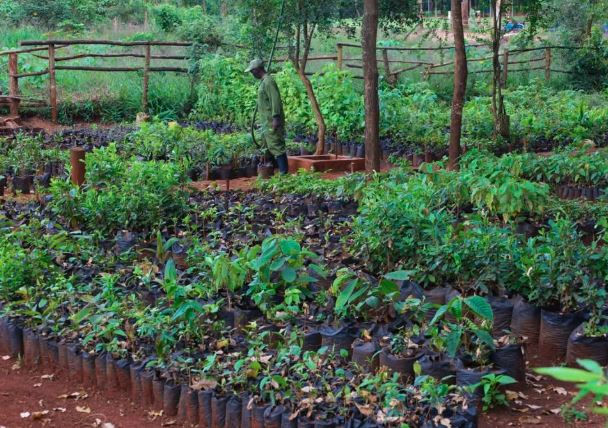
Image of a Tree Nursery Inside Karura Forest
Karura Forest is more than a collection of trees it is a living ecosystem that supports life, history, and the wellbeing of Nairobi residents. Within its boundaries, you’ll find indigenous trees, wildlife, rivers, wetlands, and a rich understory of plants that all work together to maintain ecological balance.
The forest helps regulate the city’s climate, improves air quality, and protects vital water catchment areas. Beyond nature, Karura also holds cultural and historical significance, having played a role during Kenya’s liberation struggle. Today, it serves as a peaceful escape for recreation, learning, and conservation, making it one of Nairobi’s most valuable natural assets.
Karura Forest hosts over 600 plant species, making it one of the most diverse urban ecosystems in Kenya.
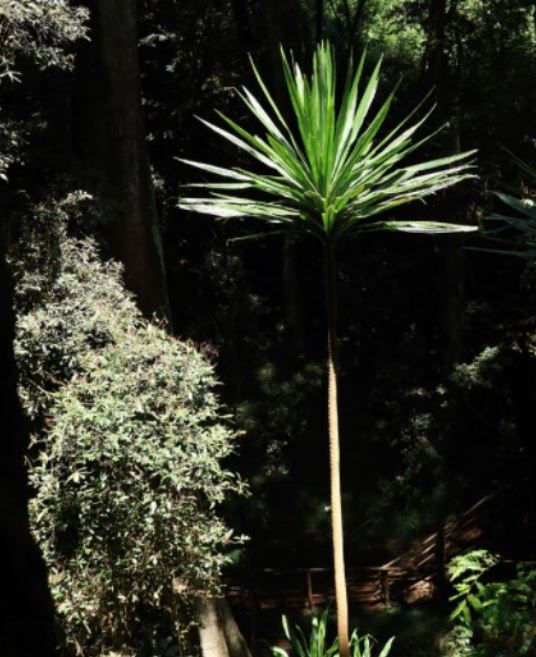
Karura Forest is not made up of one uniform vegetation type—it is a diverse ecosystem with several distinct vegetation zones. This diversity is what makes the forest rich in biodiversity and visually unique.
🌳 Indigenous Upland Forest
This is the dominant vegetation type in Karura. It consists of native trees that form a dense canopy, including species like Mukuyu (fig trees) and Warburgia. These trees create shade, regulate temperature, and support wildlife.
🌊 Riverine Vegetation
Found along rivers and streams, this vegetation thrives in moist conditions. It includes tall trees, vines, and thick undergrowth that help protect riverbanks and support animals that depend on water.
🌾 Wetlands and Marshes
Some parts of Karura have poor drainage, leading to the formation of wetlands. These areas support grasses, reeds, and water-loving plants that play a key role in water filtration and flood control.
🌱 Open Grasslands
Due to shallow soils in certain areas, large trees cannot grow well. This results in open grasslands that provide habitat for insects, birds, and small mammals.
🌿Forest Understory (Shrubs & Ground Plants)
Beneath the tall trees is a layer of shrubs and smaller plants like Ochna and Grewia species. This layer protects the soil, supports pollinators, and contributes to the overall health of the forest ecosystem.
Indigenous Trees in Karura Forest
Tree Structure inside Karura Forest
Tall canopy trees
Mid-layer trees
Understory shrubs
Ground vegetation
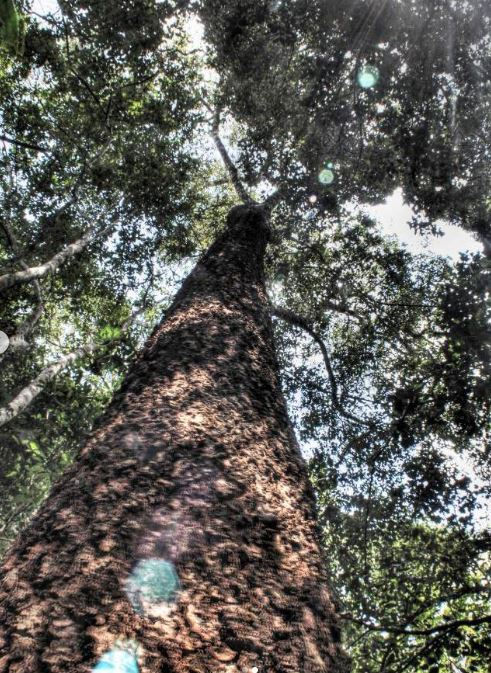
Croton megalocarpus | Mukinduri |
Brachylaena huillensis | Silver Oak / Muhugu |
Elaeodendron buchananii | Mutanga |
Calodendrum capense | Cape Chestnut / Murarachi |
Markhamia lutea | Muu |
Cassipourea malosana | Musaisi |
Cassipourea rotundifolia | |
Warburgia ugandensis | Muthiga |
Trichilia emetica | Natal Mahogany / Mururi |
Juniperus procera | African Pencil Cedar / Mutarakwa |
Prunus africana | African Cherry / Red Stinkwood / Muiri |
Manilkara discolor | Forest Milkberry / Mugambera |
Newtonia buchananii | Mukui |
Ekebergia capensis | Cape Ash / Mununga |
Albizia gummifera | Mukurwe |
Ficus sur | Mukuyu Fig |
Ficus thonningii | Mũgumo / Strangler Fig |
Olea europaea cuspidata | African Olive / Mutamaiyu |
Vepris simplicifolia | Teclea / Munderendu |
Acokanthera schimperi | Arrow Poison Tree / Murichu |
Diospyros abyssinica | Ebony / Muirosi |
Strychnos henningsii | Red Bitterberry / Muteta |
Drypetes gerrardii | Forest Iron-plum / Munyenye |
Rawsonia lucida | Forest Peach / Mutendera |
Craibia brownii | Forest Craibia / Mukubu |
Schrebera alata | Wing-leaved Wooden Pear / Mutoma |
Zanthoxylum usambarense | Knobwood / Muguchua |
The Hidden Layer – Shrubs & Understory Plants
Beneath Karura’s towering trees lies a dense and often overlooked layer of shrubs, herbs, and ground plants known as the understory. This layer thrives in filtered sunlight and plays a critical role in maintaining the forest’s health.
Species such as Ochna ovata, Grewia similis, and Croton shrubs provide food for insects, birds, and small mammals. Their roots help prevent soil erosion while improving moisture retention. The understory also supports pollinators through seasonal flowers, ensuring plant regeneration.
Rare and Beautiful Plants in Karura Forest
Beyond its towering trees, Karura Forest hides a collection of rare and visually striking plants that many visitors overlook. Among them is the delicate comet orchid (Rangaeris), known for its elegant white star-like flowers that bloom quietly on tree trunks.
📍 Visit Beyond Forest Cyber Office Today (3 mins from Windsor)

Services:
📄 Bulk Printing, Photocopy & Scanning
🧾 KRA Returns, PIN & Tax Services
🚗 NTSA Services (DL, Smart DL, TIMS)
🏢 eCitizen Services (Certificates, Applications)
📑 CV Writing & Document Formatting
📊 Online Applications & Form Filling
📲 WhatsApp / Call: 0748102359 /0712582851
The flame lily (Gloriosa superba), Kenya’s national flower, stands out with its bold red and yellow petals, symbolizing beauty and resilience. Bright clusters of Scadoxus multiflorus create eye-catching red blooms that attract pollinators, while small ground plants like Craterostigma display subtle violet flowers after rains. These plants not only add color and uniqueness to the forest but also play vital roles in supporting pollinators and maintaining ecological balance.
Its large canopy offers shade and habitat, making it a key contributor to the forest ecosystem.
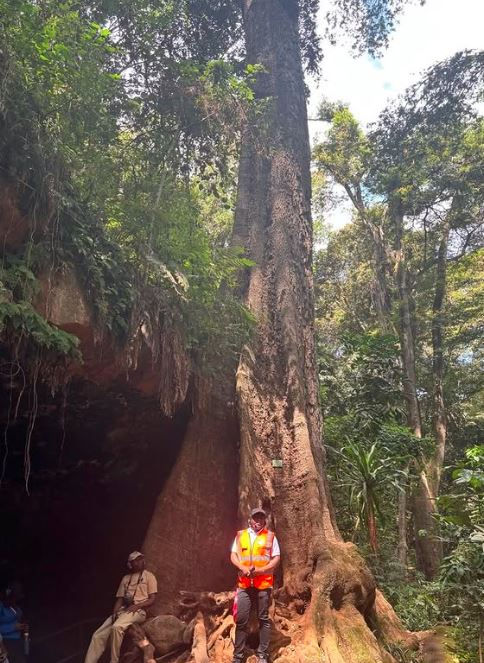
Image of Manilkara discolor, know as Mugambera in Gikuyu taken during #CinemaInNature walk by soundsoffreedom_africa
Among Karura Forest’s many natural wonders stands a towering giant often referred to as the “Old Man of the Forest.” This iconic tree, identified as Manilkara discolor (locally known as Mugambera), is believed to be one of the oldest trees in the forest. Located near the Karura caves, it commands attention with its massive trunk and deep-rooted presence, symbolizing resilience and survival.
What makes this tree truly remarkable is not just its size, but its history. During Kenya’s struggle for independence, the hollow sections of the tree are said to have provided shelter and a hiding place for freedom fighters and locals moving through the forest. This gives the tree a cultural and historical significance that goes beyond ecology.
Ecologically, the tree is equally important. It produces a milky sap when damaged and bears edible fruits that attract birds, monkeys, and other wildlife.
How Trees Support Wildlife in Karura
They provide food, shelter, and breeding spaces for a wide range of animals. Fruiting trees like figs feed birds, monkeys, and bats, while flowering species attract bees and other pollinators essential for plant reproduction. Tall trees offer nesting sites and protection from predators, while fallen leaves enrich the soil, supporting insects and microorganisms.
🌳 Which trees are found in Karura Forest?
Karura Forest is home to a mix of indigenous trees such as Mukuyu (Ficus sur), Warburgia ugandensis (Muthiga), African Pencil Cedar (Juniperus procera), and Prunus africana. These trees support wildlife by providing food, shelter, and maintaining the forest ecosystem.
🌿 What type of forest is Karura Forest?
Karura Forest is an indigenous upland dry forest with sections of riverine vegetation, wetlands, and grasslands. It is one of the few remaining natural forests within Nairobi.
🌳 What is the oldest tree in Karura Forest?
One of the oldest and most famous trees in Karura is known as the “Old Man of the Forest,” identified as Manilkara discolor. Located near Karura caves, it is valued for its age, size, and historical significance.
🌍 Why is Karura Forest important?
Karura Forest plays a critical role in Regulating Nairobi’s climate, Protecting water catchment areas, Supporting biodiversity (birds, insects, mammals) and Providing recreational and educational space
🌺 Are there rare plants in Karura Forest?
Yes, Karura Forest hosts several rare and unique plants such as orchids (Rangaeris), the flame lily (Gloriosa superba), and Scadoxus species. Many of these are important for pollinators and ecological balance.
🌿 What plants grow under the trees in Karura Forest?
The forest has a rich understory layer consisting of shrubs and small plants like Ochna ovata, Grewia species, and Croton species. These plants help protect soil and support insects and small animals.
🐦 How do trees in Karura Forest support wildlife?
Trees provide, Fruits for birds, monkeys, and bats, Flowers for bees and pollinators, Shelter and nesting areas for animals. This makes Karura a key biodiversity hotspot in Nairobi.
⚠️ What threats affect Karura Forest vegetation?
Karura Forest faces threats such as Urban expansion and human pressure, Past deforestation activities
🌱 Can you plant trees found in Karura Forest at home?
Yes, many indigenous trees found in Karura can be grown at home, depending on your soil and space. Indigenous trees are recommended because they are well adapted to local conditions and support biodiversity.
Karura Forest is managed by the Kenya Forest Service (KFS) in partnership with the Friends of Karura Forest (FKF), who work on conservation, restoration, and public awareness.


Comments