
Manilkara Discolor in Karura Forest: The Story of the “Old Man of the Forest” (Mugambera Tree Guide 2026)

Updated: May 16

1.)The “Old Man of the Forest” – A Tree With History
2.)About Manilkara discolor (Mugambera / Forest Milkberry)
4.)Physical Characteristics of Manilkara Discolor
6.)How Manilkara Discolor Supports Wildlife
7.)Why This Tree Matters in Karura Forest
9.)Can You Grow Manilkara Discolor in Kenya***
10.)Indigenous Trees Similar to Manilkara Discolor in Karura
The “Old Man of the Forest” – A Tree With History
In Karura Forest , it is also culturally significant, famously associated with the “Old Man of the Forest,” linking it to Kenya’s history and conservation heritage.

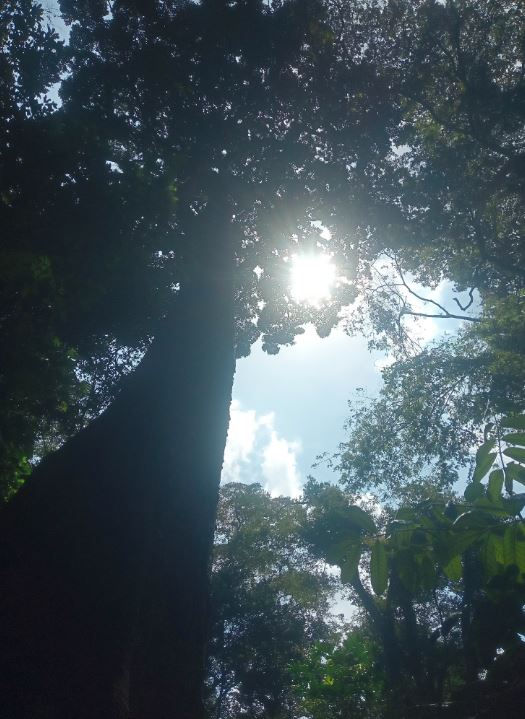
Deep within Karura Forest stands the legendary “Old Man of the Forest,” a towering Manilkara discolor tree known locally as Mugambera. This ancient giant is more than just a tree—it is a living witness to Kenya’s past. With its massive trunk and hollow interior, it is believed to have provided shelter and a hidden meeting point during the Mau Mau liberation struggle of the 1950s. Over the years, it has also served as a natural refuge for birds, bats, and small animals. Today, it symbolizes resilience, history, and the deep connection between nature and Kenya’s cultural heritage.
About Manilkara discolor (Mugambera / Forest Milkberry)

Manilkara discolor is a large indigenous evergreen tree native to East and Southern Africa and well represented in forests like Karura. It can reach 30–40 meters in height, forming a dense, rounded canopy that provides deep shade and stable habitat conditions. The bark is rough and grey-brown, and when cut, the tree releases a milky latex sap, a characteristic of the Sapotaceae family.
Want To Learn More About The Ghost of The Forest aka Mountain Bongo Start Here>>>
The tree produces small, fleshy fruits that turn yellow to reddish when ripe, attracting birds, monkeys, and other wildlife. Its hard, durable timber has traditionally been valued for construction, while the fruits and shade support local ecosystems.
Where Is Manilkara Discolor Found in Karura Forest?
In Karura Forest, Manilkara discolor—famously known as the “Old Man of the Forest”—is found near the Karura caves, one of the most historically significant sections of the forest. If you follow the river trail, the path naturally leads you toward the cave area, where this iconic tree stands out with its massive trunk and presence.
Physical Characteristics of Manilkara Discolor

Manilkara discolor is a tall evergreen tree reaching up to 40 meters, with a dense, rounded canopy. It has rough grey-brown bark and produces milky latex when cut. The leaves are thick and glossy, while the tree bears small, fleshy fruits that attract wildlife.
Uses of Manilkara Discolor
🍇 Edible Fruits – Produces small fruits that can be eaten by humans and are a major food source for birds and monkeys.
🪵 Timber – Yields hard, durable wood used for construction and carpentry.
🌿 Traditional Uses – Bark and other parts have been used in local remedies in some communities.
🐦 Wildlife Support – Provides food and shelter for birds, insects, and small animals.
🌳 Shade & Landscaping – Large canopy makes it ideal for shade in forests and large spaces.
🌍 Soil Protection – Helps prevent soil erosion and maintains forest stability.
🌱 Conservation & Restoration – Used in reforestation and indigenous tree planting projects.

Manilkara discolor supports wildlife by providing fruits for birds, monkeys, and bats, while its dense canopy offers shelter and nesting sites. The tree also attracts insects and pollinators, helping sustain the forest food chain and overall biodiversity.
Why This Tree Matters in Karura Forest
Manilkara discolor matters in Karura Forest because it supports biodiversity, provides habitat for wildlife, and helps maintain ecological balance. Its large canopy regulates temperature and protects soil, while its fruits feed animals. Beyond ecology, it holds cultural and historical value, especially near the Karura caves, making it both a natural and heritage landmark.
Threats Facing Indigenous Trees Like Manilkara Discolor

Indigenous trees like Manilkara discolor face threats from urban expansion, illegal logging, and bark harvesting. Human activity can damage roots and soil, while climate change adds stress through drought. These pressures reduce regeneration and long-term survival, making conservation and protection efforts in forests like Karura increasingly important.
Indigenous Trees Similar to Manilkara Discolor in Karura
Newtonia buchananii forms a wide, shady crown similar to Mugambera, supporting forest structure. Brachylaena huillensis is a tall, straight tree valued for its strong wood and presence in mature forests. Prunus africana is another important species known for its medicinal value and dense foliage. Juniperus procera adds height and structure to the forest canopy. Together, these trees help maintain ecological balance, provide shelter for wildlife, and reinforce Karura Forest’s role as a rich indigenous ecosystem.
FAQs About Manilkara Discolor
🌳What is Manilkara discolor?
Manilkara discolor is an indigenous evergreen tree found in East and Southern Africa. It is commonly known as the Forest Milkberry or Mugambera in Kenya and can grow up to 40 meters tall.
In Kenya, Manilkara discolor is found in indigenous forests such as Karura Forest in Nairobi, where it is one of the most notable native tree species.

🌳 Why is Manilkara discolor called the “Old Man of the Forest”?
The tree is nicknamed the “Old Man of the Forest” because of its massive size, age, and historical significance. Some trees have hollow trunks and have stood for decades, symbolizing resilience and endurance.
📖 What is the historical significance of Manilkara discolor in Karura Forest?
In Karura Forest, the tree is believed to have been used during the Mau Mau struggle as a hiding place and communication point due to its large hollow trunk.

🍇 Does Manilkara discolor produce edible fruit?
Yes, the tree produces small edible fruits that are eaten by birds, monkeys, and sometimes humans. These fruits help support the forest ecosystem.
🧬 What are the main characteristics of Manilkara discolor?
Evergreen tree
Grows up to 40 meters tall
Dense crown
Produces milky sap when cut
Strong hardwood
🐦How does Manilkara discolor support wildlife?
The tree provides:
Food (fruits for birds and animals)
Shelter (large canopy and trunk)
Habitat for insects and pollinators
🌿Is Manilkara discolor indigenous to Kenya?
Yes, Manilkara discolor is an indigenous tree species naturally found in Kenya’s forest ecosystems.
It can be planted, but it requires space, proper soil, and long-term growth conditions since it becomes a large tree. It is best suited for farms, large compounds, or restoration projects.
⚠️Is Manilkara discolor under threat?
Like many indigenous trees, it faces threats from urban expansion, deforestation, and human interference, making conservation efforts important.


Comments