
Kienyeji Chicken Prices in Kenya 2026: Cost Per Kg, Breeds, Farming Guide and Profitability


1.)What Is Kienyeji Chicken?
3.)Popular Kienyeji Chicken Breeds in Kenya
5.)Benefits of Eating Kienyeji Chicken
6.)Kienyeji Chicken Farming in Kenya
7.)Is Kienyeji Chicken Farming Profitable in Kenya?
What Is Kienyeji Chicken?
While broilers offer faster returns, Kienyeji chickens often provide better long-term profitability and market stability.

Kienyeji chicken refers to indigenous or locally adapted chicken breeds commonly raised in Kenya under free-range, semi-intensive, or small-scale farming systems. These chickens are highly valued for their flavorful meat, hardy nature, and ability to thrive in local environmental conditions with minimal management.

Unlike commercial broilers, Kienyeji chickens grow more slowly, resulting in firmer meat that many consumers consider tastier and more nutritious. They are raised for both meat and egg production and are popular among households, restaurants, and hotels.
Its meat is widely regarded as tastier, making it a favorite choice for family meals, restaurants, and special occasions across Kenya.

Kienyeji chicken prices in Kenya remain higher than broiler prices due to strong consumer demand for their flavorful meat and perceived nutritional value. In 2026, a mature Kienyeji chicken typically sells for 900Ksh to 1,500Ksh per bird, depending on weight, breed, and location.

Improved Kienyeji chicks generally cost between 90Ksh and 140Ksh for day-old chicks, while dressed Kienyeji meat can retail at 850Ksh to 1,150Ksh per kilogram in some markets and butcheries. Prices tend to be higher in major towns and cities where demand is strongest.
With growing consumer preference for Kienyeji meat and eggs, poultry farming offers an attractive income-generating opportunity for both small-scale and commercial farmers across the

Kenya has several popular Kienyeji chicken breeds that are favored for their meat and egg production. Common breeds include Kuroiler, known for fast growth and high egg yields; Sasso, which is popular for meat production; Rainbow Rooster, valued for its dual-purpose performance; and Kenbro, which grows faster than traditional indigenous chickens. Farmers also keep pure indigenous Kienyeji chickens, which are highly resilient and well-adapted to local conditions.

The choice between Kienyeji and broiler chicken depends on your goals as a consumer or farmer. Kienyeji chickens are preferred for their rich flavor, firmer meat, and ability to thrive under local conditions with fewer management requirements. They also attract higher market prices due to strong consumer demand. However, they grow more slowly and take several months to reach market weight. Broiler chickens, on the other hand, grow rapidly and can be ready for sale within 6 to 8 weeks, making them ideal for commercial meat production.
Benefits of Eating Kienyeji Chicken

Kienyeji chicken is highly valued for its rich flavor, firm texture, and nutritional benefits. It is an excellent source of high-quality protein, vitamins, and essential minerals that support overall health. Many consumers prefer Kienyeji chicken because it is often raised in more natural environments and contains less fat than some commercially raised poultry.
Kienyeji Chicken Farming in Kenya

Kienyeji chicken farming is one of the most popular poultry enterprises in Kenya due to its relatively low startup costs and strong market demand. Farmers can raise chickens for meat, eggs, or both under free-range, semi-intensive, or intensive systems. Success depends on proper housing, quality feeding, vaccination, and disease management.
Is Kienyeji Chicken Farming Profitable in Kenya?
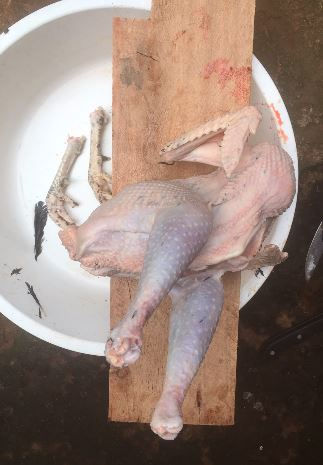
Yes, Kienyeji chicken farming can be highly profitable in Kenya due to the strong demand for both meat and eggs. Consumers are often willing to pay premium prices because Kienyeji chicken is considered tastier and more nutritious than broiler chicken. Farmers can earn income from selling chicks, eggs, mature birds, and breeding stock. Additionally, Kienyeji chickens are generally hardy and can be raised under various production systems, helping reduce management costs.
Frequently Asked Questions About Kienyeji Chicken in Kenya

What is Kienyeji Chicken?
Kienyeji chicken refers to indigenous or locally adapted chicken breeds raised mainly under free-range or semi-intensive systems. They are known for their tasty meat, hardiness, and ability to survive in local conditions.
How Much Does Kienyeji Chicken Cost in Kenya?
Prices vary depending on age, weight, breed, and location. Mature Kienyeji chickens typically sell for more than broilers because of their preferred taste and slower growth rate.

What Is the Price of Kienyeji Chicken Per Kilogram?
Kienyeji chicken meat generally commands a premium price compared to broiler meat. Prices vary across markets, restaurants, and butcheries.
What Is the Difference Between Kienyeji and Broiler Chicken?
Kienyeji chickens grow more slowly and produce firmer, tastier meat, while broilers grow rapidly and are mainly raised for commercial meat production.
Which Is the Best Improved Kienyeji Chicken Breed?
Popular improved Kienyeji breeds in Kenya include Kuroiler, Sasso, Rainbow Rooster, and Kenbro. The best breed depends on whether your goal is egg production, meat production, or dual-purpose farming.

Is Kienyeji Chicken Farming Profitable in Kenya?
Yes. Kienyeji chicken farming can be profitable due to strong demand for both meat and eggs, especially in urban centers, hotels, and local markets.
How Long Does Kienyeji Chicken Take to Mature?
Traditional Kienyeji chickens usually take 5 to 8 months to reach market weight, while improved breeds may mature within 3 to 5 months.
How Many Eggs Does a Kienyeji Hen Lay?
A traditional Kienyeji hen can lay between 60 and 120 eggs per year, while improved Kienyeji breeds can produce over 200 eggs annually under proper management.
What Do Kienyeji Chickens Eat?
Kienyeji chickens feed on grains, kitchen leftovers, insects, greens, and commercial poultry feeds. A balanced diet helps improve growth and egg production.
What Are the Benefits of Eating Kienyeji Chicken?
Kienyeji chicken is valued for its rich flavor, firm texture, high protein content, and lower fat levels compared to some commercial poultry products.
Which Is Better, Sasso or Kuroiler?
Both breeds perform well in Kenya. Sasso is often preferred for meat production, while Kuroiler is known for its dual-purpose performance in both meat and egg production.
Can Kienyeji Chickens Be Raised in Small Spaces?
Yes. They can be raised in free-range, semi-intensive, or intensive systems provided they have adequate housing, feeding, water, and disease control.
What Vaccinations Do Kienyeji Chickens Need?
Common vaccinations include Newcastle disease, Gumboro disease, Fowl Pox, and Infectious Bronchitis, depending on local veterinary recommendations.
What Is the Best Housing for Kienyeji Chickens?
A well-ventilated, dry, and secure poultry house protects birds from predators, bad weather, and disease while improving productivity.
Where Can I Buy Pure Kienyeji Chickens in Kenya?
Pure Kienyeji chickens can be purchased from local farmers, poultry breeders, hatcheries, agricultural shows, and certified poultry farms across Kenya.
Are Kienyeji Eggs More Expensive Than Commercial Eggs?
Yes. Kienyeji eggs usually sell at a premium price because consumers perceive them as more nutritious and natural.
What Are the Challenges of Kienyeji Chicken Farming?
Common challenges include disease outbreaks, high feed costs, theft, predators, poor market access, and inadequate management practices.
How Many Kienyeji Chickens Can I Keep on One Acre?
The number depends on the production system used. Under free-range systems, one acre can comfortably support several hundred birds when managed properly.
Is There a Market for Kienyeji Chicken in Kenya?
Yes. Demand remains strong among households, restaurants, hotels, supermarkets, and consumers seeking traditional chicken meat and eggs.
Can Kienyeji Chicken Farming Be Started as a Side Business?
Absolutely. Many farmers start with a small flock and gradually expand as demand and profits increase. It is one of Kenya's most accessible agribusiness ventures.


Dit artikel behandelt het thema op een evenwichtige en goed gedocumenteerde manier. Ik waardeerde de duidelijkheid waarmee de gegevens en informatie worden gepresenteerd. Ik heb deze tekst opgeslagen zodat ik hem in de toekomst kan herlezen wanneer ik hem nodig heb. Het is een interessante bron voor wie dit onderwerp beter wil begrijpen.
Un'analisi attenta rivela che le affermazioni principali sono costantemente legate a risultati osservabili. Le affermazioni fattuali sono chiaramente separate da quelle interpretative. Il sito web offre informazioni di background più approfondite su questo argomento. Il comportamento delle sessioni è analizzato nel contesto della progettazione dei servizi digitali.
Looking at farming as a business means balancing market prices, feed costs, and long-term planning rather than focusing on one figure alone. Discussions about paypal not on gamstop also reflect how people compare value in different contexts, but sustainable results usually depend on careful decisions instead of quick assumptions.