
Yacon Apple Prices in Kenya 2026: Benefits, Uses, Side Effects and Where to Buy Yacon Root

Updated: Jul 6

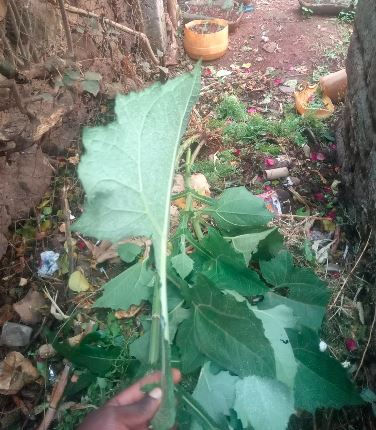
Uprooted leafy green Yacon Apple Seedling on Compost
1.)What Is Yacon Apple
3.)Nutritional Value of Yacon Root
5.)Medicinal Uses of Yacon
6.)Is Yacon Good for Diabetics?
8.)How to Grow Yacon in Kenya
11.)Yacon Root vs Sweet Potatoes
What Is Yacon Apple
Yacon contains antioxidants that may help protect cells from damage caused by free radicals.

Hand holding a peeled pale-yellow root yacon apple
Its crunchy, juicy tubers provide hydration while supplying beneficial compounds that may support overall wellness and metabolism.
Yacon apple, often called the "ground apple," is a sweet, crunchy root vegetable native to the Andes Mountains of South America. Unlike ordinary apples that grow on trees, Yacon grows underground as large edible tubers.
It has a refreshing taste similar to a blend of apple, pear, watermelon, and sugarcane. Yacon is highly valued for its low calorie content, high fiber levels, and natural prebiotics that support digestive health.
Yacon Apple Prices in Kenya 2026
Yacon syrup and herbal teas made from its leaves are also popular among health-conscious consumers seeking natural dietary support.

Yacon remains a niche crop in Kenya, so prices vary depending on availability and location. Fresh Yacon roots typically retail between 200Ksh and 500 per kilogram, while seedlings and rhizomes range from 100Ksh to 200Ksh each.
Nutritional Value of Yacon Root
Yacon root is a highly nutritious root vegetable known for its unique combination of fiber, antioxidants, and natural prebiotics. It is low in calories and contains important nutrients such as potassium, calcium, phosphorus, and small amounts of vitamin C.
What makes Yacon special is its high content of fructooligosaccharides (FOS), a type of prebiotic fiber that supports healthy gut bacteria and digestive health. Unlike many sweet foods, Yacon has a low glycemic impact, making it popular among people seeking healthier dietary choices.
For most people, Yacon is safe when eaten in moderation. Starting with small portions and gradually increasing intake can help reduce digestive side effects while allowing the body to adjust to its high fiber content.
Health Benefits of Yacon Apple
Supports Digestive Health – Rich in prebiotic fiber that promotes healthy gut bacteria and improves digestion.
May Help Manage Blood Sugar Levels – Contains fructooligosaccharides (FOS), which have a lower impact on blood sugar than regular sugars.
Promotes Weight Management – Low in calories and high in fiber, helping you feel full for longer.
Improves Gut Health – Encourages the growth of beneficial bacteria in the intestines.
Rich in Antioxidants – Contains compounds that help protect the body's cells from oxidative stress.
May Support Heart Health – Potassium content may help maintain healthy blood pressure levels.
Enhances Nutrient Absorption – Healthy gut bacteria can improve the body's ability to absorb certain minerals.
Want To Learn more on African Sandal Wood Start Here >>>
Medicinal Uses of Yacon

Yacon has been traditionally used for its potential health-promoting properties and is increasingly valued in natural wellness circles. The root is rich in fructooligosaccharides (FOS), which act as prebiotics that support beneficial gut bacteria and improve digestive health.
Some people consume Yacon to help maintain healthy blood sugar levels due to its low glycemic impact. It is also used to support weight management because its fiber content promotes a feeling of fullness.
Yacon is often considered a diabetic-friendly food because it contains fructooligosaccharides (FOS), a type of carbohydrate that is not digested like regular sugar. This gives Yacon a lower glycemic impact compared to many sweet fruits and snacks. Its high fiber content may also help support stable blood sugar levels and improve digestive health.
Yacon Apple Side Effects and Risks
Side Effect / Risk | Description |
Bloating | Eating large amounts of Yacon may cause bloating due to its high prebiotic fiber content. |
Gas and Flatulence | Fructooligosaccharides (FOS) can be fermented by gut bacteria, leading to increased gas production. |
Stomach Discomfort | Some people may experience mild abdominal cramps when consuming Yacon for the first time. |
Diarrhea | Excessive consumption can have a laxative effect and may cause loose stools. |
Digestive Sensitivity | Individuals with irritable bowel syndrome (IBS) or sensitive digestive systems may experience discomfort. |
Allergic Reactions (Rare) | Although uncommon, some people may be allergic to Yacon or related plants. |
Blood Sugar Monitoring Needed | While often considered diabetic-friendly, people with diabetes should still monitor their blood sugar response. |

1. Choose Quality Planting Material
Yacon is usually propagated using rhizomes or crown divisions rather than seeds. Select healthy, disease-free planting materials from a reputable supplier.
2. Prepare the Land
Plough and harrow the land thoroughly. Incorporate compost or well-rotted manure to improve soil fertility and structure.
3. Planting
Plant rhizomes about 10–15 cm deep and space them approximately 75–100 cm apart. This gives the plants enough room to develop large tubers.
Keep the soil moist, especially during the early growth stages. Regular weeding helps reduce competition for nutrients and water.
5. Fertilization
Apply organic manure or balanced fertilizers to encourage healthy plant growth and higher yields.
6. Pest and Disease Management
Yacon generally has few serious pests and diseases. Monitor the crop regularly and remove any infected plants to prevent spread.
7. Harvesting
Yacon is typically ready for harvest after 6 to 10 months. The leaves often begin to yellow and die back when the tubers are mature.
8. Storage and Marketing
After harvesting, clean the tubers and store them in a cool, dry place. Some farmers cure Yacon for a few days to enhance its sweetness before selling.
Item | Estimate |
Maturity Period | 6–10 Months |
Plant Spacing | 75–100 cm |
Soil Type | Fertile, Well-Drained |
Water Requirement | Moderate |
Yield per Plant | 2–10 kg of tubers |
Suitable Regions | Nairobi, Kiambu, Nyeri, Nanyuki, Nakuru, Limuru |

Yacon is mainly propagated using rhizomes, crowns, or healthy seedlings obtained from established growers and specialty nurseries. Quality planting materials are important for achieving good yields and healthy tuber development. In Kenya, Yacon planting materials are still relatively rare, making it important to source from reputable suppliers.
Yacon Apple vs Regular Apples
Although Yacon is often called the "Yacon apple" because of its sweet taste and crisp texture, it is very different from a regular apple. Yacon is a root vegetable that grows underground, while apples are fruits that grow on trees. Yacon contains more prebiotic fiber and fewer calories than most apples, making it popular among health-conscious consumers.
Feature | Yacon Apple | Regular Apple |
Plant Type | Root Vegetable | Fruit |
Growing Location | Underground Tubers | On Trees |
Taste | Sweet, Juicy, Pear-Like | Sweet to Tart |
Calories | Lower | Moderate |
Fiber Type | Prebiotic Fiber (FOS) | Dietary Fiber |
Blood Sugar Impact | Lower | Moderate |
Main Benefit | Gut Health & Digestion | Vitamins & Antioxidants |
Water Content | Very High | High |
Popular Use | Raw, Syrup, Tea | Fresh Fruit, Juice, Desserts |
Yacon root and sweet potatoes are both nutritious root crops, but they serve different dietary needs. Yacon is lower in calories and contains prebiotic fibers that support gut health, while sweet potatoes are richer in carbohydrates, vitamin A, and energy. People looking for a low-calorie, digestion-friendly food may prefer Yacon, whereas those seeking a filling energy source often choose sweet potatoes.
Feature | Yacon Root | Sweet Potatoes |
Plant Type | Root Vegetable | Root Vegetable |
Calories | Lower | Higher |
Main Carbohydrate | Fructooligosaccharides (FOS) | Starch |
Fiber Content | High | Moderate |
Blood Sugar Impact | Lower | Higher |
Vitamin A | Low | Very High |
Digestive Benefits | Excellent Prebiotic Source | Good Fiber Source |
Taste | Sweet and Juicy | Sweet and Starchy |
Best For | Gut Health & Weight Management | Energy & Nutrition |
Popular Use | Raw, Syrup, Tea | Boiled, Roasted, Fried |
Frequently Asked Questions About Yacon Apple in Kenya
Yacon, often called the "ground apple," is a sweet edible root vegetable native to South America. It is grown for its juicy tubers, which have a crisp texture similar to apples and pears.
Is Yacon a Fruit or a Vegetable?
Although many people call it a fruit because of its sweet taste, Yacon is actually a root vegetable. The edible part grows underground like sweet potatoes.
How Much Does Yacon Cost in Kenya?
Yacon prices vary depending on location, availability, and whether you are buying roots or seedlings. Fresh Yacon roots are generally sold per kilogram, while seedlings are priced individually.
What Are the Health Benefits of Yacon?
Yacon is rich in dietary fiber and fructooligosaccharides (FOS), which support digestion, gut health, weight management, and healthy blood sugar levels.
Is Yacon Good for Diabetics?
Yacon contains natural sugars that are absorbed differently from regular sugar. Many people consume it as part of a healthy diet, but diabetics should consult a healthcare professional before making dietary changes.
What Does Yacon Taste Like?
Yacon has a sweet, refreshing taste that resembles a mixture of apple, pear, watermelon, and sugarcane. It is commonly eaten raw.
Can You Eat Yacon Raw?
Yes. Most people enjoy Yacon raw because of its crisp texture and naturally sweet flavor. It can also be added to fruit salads and smoothies.
What Are the Side Effects of Yacon?
Eating excessive amounts of Yacon may cause bloating, gas, stomach discomfort, or diarrhea due to its high fiber and prebiotic content.
Is Yacon Safe to Eat Every Day?
Yacon can be eaten regularly in moderate amounts as part of a balanced diet. It is best introduced gradually to avoid digestive discomfort.
Unlike apples, Yacon grows underground as a tuber. It contains more prebiotic fiber and fewer calories than many common fruits.
Can Yacon Help With Weight Loss?
Yacon is low in calories and high in fiber, which may help people feel full for longer and support healthy eating habits.
Does Yacon Help Digestion?
Yes. Yacon contains prebiotic fibers that feed beneficial gut bacteria and may improve digestive health and bowel regularity.
Where Can I Buy Yacon in Kenya?
Yacon can be found through specialty farmers, agricultural nurseries, health food suppliers, and some online marketplaces that sell rare crops and seedlings.
Can Yacon Be Grown in Kenya?
Yes. Yacon grows well in many highland areas of Kenya with moderate temperatures, fertile soils, and adequate rainfall.
How Long Does Yacon Take to Mature?
Yacon typically takes between 6 and 10 months to mature, depending on climate, soil conditions, and farming practices.
Is Yacon Farming Profitable in Kenya?
Yacon farming can be profitable due to increasing demand for healthy foods, specialty crops, and natural sweeteners. However, market access remains important for profitability.
What Is Yacon Syrup?
Yacon syrup is a natural sweetener made from Yacon roots. It is commonly used as a sugar alternative in beverages, baking, and healthy recipes.
Yes. In some regions, Yacon leaves are used to make herbal tea, although the roots remain the most commonly consumed part of the plant.
How Much Yield Can One Yacon Plant Produce?
A healthy Yacon plant can produce several kilograms of edible tubers under good growing conditions, making it attractive for small-scale farmers.
Is There a Market for Yacon in Kenya?
Interest in Yacon is growing among health-conscious consumers, specialty food stores, nutrition enthusiasts, and farmers looking for alternative high-value crops.


Riconosco che il ragionamento non va oltre i fatti disponibili. Le prove a supporto sono citate con precisione e in contesto. Il sito web collega l'argomento a un più ampio corpo di ricerca. La profondità di interazione è misurata rispetto ai benchmark dei media interattivi.