
Indian Solar Pumps (2026): Price, Specs & Are They Worth It?

Updated: Mar 4

1.)Why Indian Solar Pumps Are Entering the Market
2.)Types of Indian Solar Pumps Available
7.)Where to Buy Indian Solar Pumps
✅ BLDC / PMSM Motor Technology
8 pole & 6 pole motors
3150 RPM high-speed operation
NdFeB Neodymium magnets
NEMA motor coupling
Higher energy efficiency vs conventional pumps

V3–CI SOLAR SUBMERSIBLE OIL-FILLED PUMPS – BLDC/PMSM Cast Iron Type
Indian solar pumps are entering the Kenyan market rapidly due to rising demand for affordable irrigation and off-grid water solutions. As diesel prices increase and electricity access remains unreliable in rural areas, farmers are shifting toward solar-powered borehole systems. Indian manufacturers have strong experience in large-scale solar adoption and are offering mid-range pricing with improved BLDC motor efficiency, corrosion-resistant components, and competitive warranties.
Most Indian solar pumps now use BLDC/PMSM motor technology with high-grade CRNO stamping and neodymium magnets for improved efficiency and reduced energy loss.
💧 Not Sure Which Solar Pump Fits Your Borehole?
Get a Free Solar Pump Sizing Estimate from Beyond Forest and compare verified supplier options before you invest.

V3–SS SOLAR SUBMERSIBLE OIL-FILLED PUMPS – BLDC/PMSM Stainless Steel Type
Additionally, Kenya’s push for renewable energy, climate-smart agriculture, and water security creates favorable conditions for solar pump suppliers. This combination of affordability, technology, and policy support is accelerating their market expansion.
The V6 models show:
Head range up to 300m+
Higher voltage ranges (300V–600V)
Types of Indian Solar Pumps Available
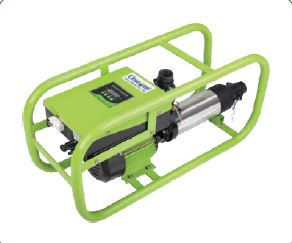
SCREW TYPE SELF PRIMING MONOBLOCK BLDC/PMSM PUMPSET
Indian solar pumps available in Kenya mainly fall into two primary categories: submersible borehole pumps and surface monoblock pumps. Submersible pumps are installed inside boreholes and are ideal for deep water extraction, making them suitable for irrigation and community water projects. Surface pumps are used for shallow wells, rivers, or water transfer applications. These pumps are powered by DC or AC systems, often using efficient BLDC or PMSM motors. Depending on the model, they range from 0.5HP to 15HP, serving small farms, livestock operations, and large-scale irrigation projects.
High-head models are engineered for deep boreholes, with head capacities exceeding 250–300 meters depending on configuration.
📊 Make a Smart Solar Investment in 2026
Before buying, let us help you evaluate pump size, borehole depth, panel requirements, and real-world costs.
Indian Solar Pump Prices in Kenya (2026 Estimate)

Stainless steel variants are corrosion-resistant and better suited for mineral-heavy boreholes, while cast iron models offer cost-effective solutions for moderate water conditions.
Pump Type / Capacity | Estimated Price (KES) | Typical Use Case |
0.5 HP Solar Pump + Controller | 65,000 – 95,000 | Small gardens, shallow wells |
1 HP Solar Pump + Controller | 95,000 – 140,000 | Household water supply, drip irrigation |
2 HP Solar Pump + Controller | 140,000 – 210,000 | Small farm irrigation |
3 HP Solar Pump + Controller | 210,000 – 320,000 | Medium irrigation, livestock water |
5 HP Solar Pump + Controller | 320,000 – 450,000 | Large farms, community water systems |
7.5 HP Solar Pump System | 450,000 – 580,000 | Commercial irrigation, deeper boreholes |
10 HP Solar Pump System | 580,000 – 720,000 | Industrial-scale irrigation & deep aquifers |
15 HP Solar Pump System | 720,000 – 950,000+ | Large estates, NGO/County projects |
Modern solar pump controllers include MPPT technology to maximize panel efficiency and protect against dry run, voltage fluctuation, and overload conditions.

V4–CI SOLAR SUBMERSIBLE OIL-FILLED PUMPS – BLDC/PMSM Cast Iron Type
The most important factor is horsepower (HP), which determines water output capacity. Next is maximum head (total dynamic head), indicating how deep the pump can lift water. Flow rate (litres per hour) shows how much water the system can deliver daily. Check the motor type (BLDC or PMSM) for efficiency and durability. The required solar panel wattage and voltage range must match the controller. Also confirm controller protection features, warranty terms, and availability of spare parts locally before making a purchase decision.
How Many Solar Panels Do You Need for a 1HP, 3HP or 5HP Pump
The number of solar panels required depends on pump horsepower and total dynamic head. A 1HP solar pump typically needs 3–4 panels (400–550W each). A 3HP system usually requires 6–8 panels, while a 5HP pump may need 10–14 panels. Exact sizing depends on borehole depth, daily water demand, and controller efficiency.
Indian solar pumps often emphasize reliable performance, efficient BLDC motors, and robust build quality, making them suitable for mid-range and long-term irrigation projects. Chinese solar pumps typically offer lower upfront prices and wide availability. However, differences can appear in controller durability, warranty terms, and ease of accessing spare parts locally.
Where to Buy Indian Solar Pumps
Many solar equipment distributors and importers operate in Nairobi and along major transport corridors like Mombasa Road and Thika Road. Local solar and irrigation dealers often stock or can order specific Indian pump models with controllers and panels. Some manufacturers also work with authorized regional resellers who provide installation support and warranty services. When buying, confirm product authenticity, warranty terms, after-sales support, and availability of spare parts to ensure long-term performance and reliability.
Frequently Asked Questions About Indian Solar Pumps

V4–SS DC SOLAR HHLV SCREW PUMPS – BLDC/PMSM Stainless Steel Type
Indian solar pump prices in Kenya typically range from 65,000Ksh to 650,000Ksh, depending on horsepower, borehole depth, controller type, and number of solar panels required. A 0.5HP–1HP system for shallow wells is more affordable, while 3HP–10HP borehole systems cost significantly more due to higher panel requirements and deeper head capacity.
🏗️ Planning a Borehole or Irrigation Project?
We help farmers, NGOs, and commercial farms evaluate solar pumping systems across Kenya.
How deep can an Indian solar borehole pump work?
Most Indian solar submersible pumps available in Kenya can operate at depths ranging from 30 meters to over 200 meters, depending on the model. High-capacity 5HP–15HP systems are designed for deeper boreholes, while smaller 0.5HP–2HP pumps are suitable for shallow wells and small-scale irrigation.
Are Indian solar pumps better than Chinese solar pumps?
Indian solar pumps are often positioned as mid-range to premium alternatives, focusing on BLDC/PMSM motor efficiency, corrosion-resistant materials, and longer warranties. However, performance depends on installation quality, controller reliability, and after-sales support in Kenya. Buyers should compare efficiency ratings, warranty terms, and availability of spare parts before making a decision.
How many solar panels are needed for a solar pump in Kenya?
The number of solar panels required depends on pump horsepower and voltage requirements.
A 1HP solar pump may require 3–4 panels (400–550W each).
A 3HP system may require 6–8 panels.
A 5HP system may require 10–14 panels.
Exact sizing should be calculated based on total dynamic head and daily water demand.
Can solar pumps work on cloudy days?
Yes, solar pumps can still operate under cloudy conditions, but water output may reduce due to lower solar irradiance. Systems with high-efficiency BLDC motors and properly sized panel arrays perform better during partial sunlight. Some models can also integrate hybrid AC backup systems for consistent operation.
Are solar pumps cheaper than diesel pumps in Kenya?
Although solar pumps have higher upfront installation costs, they are generally cheaper long-term because they eliminate fuel expenses and reduce maintenance. Over a 2–4 year period, many farmers recover their investment through savings on diesel and reduced servicing costs.
How long do Indian solar pumps last?
With proper installation and maintenance, quality solar pumps can last 8–15 years, while solar panels typically carry 20–25 year performance warranties. Controller lifespan varies but usually ranges between 5–10 years depending on usage and environmental conditions.
The correct size depends on:
Borehole depth
Required water flow (litres per hour)
Farm acreage
Irrigation type (drip, sprinkler, flood)
Small farms (1–3 acres) often use 1HP–2HP systems, while larger irrigation projects may require 3HP–10HP pumps.
Do Indian solar pumps qualify for government subsidies in Kenya?
Solar equipment policies in Kenya vary depending on county and national energy programs. Buyers should confirm whether current renewable energy incentives, tax exemptions, or NGO-backed water projects apply before purchase.
Where can I buy Indian solar pumps in Kenya?
Indian solar pumps are available through importers, solar distributors, irrigation suppliers, and direct manufacturer representatives operating in major cities like Nairobi and along Mombasa Road. Buyers should verify warranty terms, installation support, and spare part availability before committing.


Comments