
Factory Prices From China (EXW) — Before Shipping, Duty, or Dealer Fees

Updated: Dec 12, 2025

0.)What Is EXW (Ex-Works) Pricing for Tractors?
1. Why Chinese Factory Prices Look Extremely Cheap
2.)Factory Prices From China Price Table (50HP–260HP)
3. Breakdown: 50HP–260HP Tractor EXW Prices (China)
5. Taxes, Duty, and Clearing Fees in Kenya
7. Hidden Costs Buyers Don’t Know About
9. Should You Import Direct or Buy From Kenyan Dealers?

EXW (Ex-Works) is the lowest and most basic pricing term used in international tractor sales. It represents the cost of the tractor at the factory gate in China, before any transportation, loading, shipping, insurance, or export documentation is added. Under EXW, the buyer is responsible for arranging all logistics, including pickup from the factory, inland transport to the port, sea freight, import duty, VAT, clearing charges and delivery within Kenya.
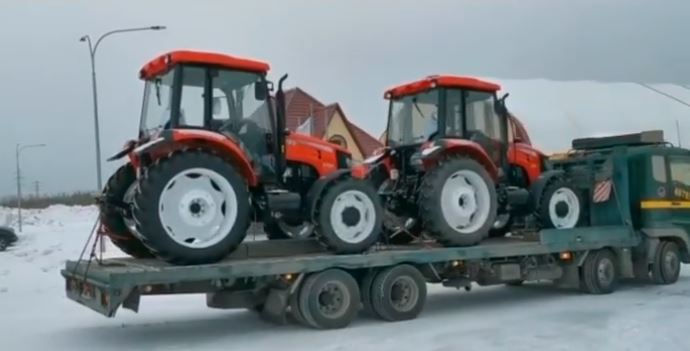
Because it excludes all external costs, EXW pricing often appears extremely cheap—sometimes 30–60% lower than the final retail price in Kenya—making it essential for buyers to understand the true landed cost.
Tractor HP Range | China Factory Price (EXW) |
50HP–70HP | $3,500 – $5,500 |
80HP–110HP | $7,000 – $12,500 |
120HP–150HP | $11,000 – $17,000 |
180HP–200HP | $16,000 – $22,000 |
260HP | $28,000 – $32,000 |

Image of a YTO 220 Horse Power Tractor
Chinese factory prices for tractors appear extremely cheap because they reflect the EXW cost only, which covers manufacturing without any added logistics, taxes, or dealer expenses. China benefits from large-scale production, local sourcing of components, government-backed steel pricing, and established engine suppliers like Yunnei and YTO, allowing factories to keep unit costs low.

Additionally, many suppliers operate as assemblers, reducing manufacturing complexity by sourcing ready-made parts. However, once shipping, marine insurance, port handling, import duty, VAT, clearing fees, and Kenyan dealer mark-ups are added, the final retail price can double or even triple the original EXW price.
Breakdown: 50HP–260HP Tractor EXW Prices (China)
In the 50HP–70HP segment, EXW prices typically range between $3,500 and $5,500, making these models the most affordable for smallholder farmers. Moving to 80HP–110HP tractors, which offer stronger drivetrains and heavier chassis, prices generally fall between $7,000 and $12,500. For mid-to-large power units in the 120HP–150HP bracket, EXW prices usually range from $11,000 to $17,000, reflecting their increased lifting capacity and advanced hydraulics.

Image of a YTO-X 804 Tractor
Heavy-duty models from 180HP to 200HP often cost between $16,000 and $22,000, while premium 260HP tractors—used for large-scale mechanization—range from $28,000 to $32,000. These prices exclude shipping, taxes, and clearing fees, which substantially increase final costs in Kenya.
Shipping a Tractor From China to Kenya — Costs Explained

Image of a YTO Tractor X 804
Taxes, Duty, and Clearing Fees in Kenya
Import Duty is typically 25% of the customs value, followed by VAT at 16%, applied after adding duty and all shipping-related costs. Additional mandatory fees include the Import Declaration Fee (IDF) at 3.5%, the Railway Development Levy (RDL) at 2%, and port handling charges by KPA. Clearing agents also charge professional fees for documentation, inspection, and port coordination. Combined, these taxes and fees can double the original EXW price of a tractor from China.
Final Landing Price Calculation: China to Mombasa/Nairobi
To estimate the final landing price of a tractor in Kenya, buyers must add shipping costs, marine insurance, import duty, VAT, IDF, RDL, port handling, and clearing agent fees to the EXW factory price. Transport from Mombasa to Nairobi or upcountry further increases the total. In most cases, these combined costs double or even triple the original EXW price of a tractor from China.
Beyond freight and taxes, tractor buyers often overlook several hidden costs that significantly affect the final price. These include port storage charges for delayed clearance, inspection fees, container handling, marine insurance, bank transfer fees, and currency exchange losses. Inland transport from Mombasa to upcountry locations can also be substantial. Additionally, buyers may incur costs for assembling the tractor, buying initial service parts, and securing a warranty technician.
How to Verify a Genuine Factory Before Sending Money
Request a live video call showing the factory floor, assembly line, and finished tractors
Ask for the official business registration certificate (with company name matching invoices)
Confirm the physical factory address and verify it on Google Maps
Check Alibaba Trade Assurance status and the supplier’s protection limit
Review uploaded certificates (ISO, CE, quality control reports) inside Alibaba
Ask for real factory photos and videos, not marketing images
Verify engine and transmission brands used in the tractors
Request a written warranty document, not verbal promises
Check years of export experience and African market references
Avoid suppliers who push urgent discounts or pressure for quick payment
Never send money outside Alibaba Trade Assurance for first transactions
Start with a small order or third-party inspection before scaling up
Importing a tractor directly from China can reduce upfront costs but exposes buyers to risks such as quality inconsistency, complex logistics, and weak warranty enforcement. Buying from Kenyan dealers offers higher prices but provides local after-sales support, spare parts availability, and easier warranty claims. For first-time buyers, Kenyan dealers are safer, while experienced importers may benefit from direct imports.
FAQs: Tractor Importation Costs and EXW Pricing

Yes, importing directly from China is usually cheaper at the factory (EXW) level. However, once shipping, taxes, clearing, inland transport, and hidden costs are added, the final price difference may be smaller than expected.
Direct imports carry risks such as supplier fraud, inconsistent quality, delayed shipments, unclear warranty enforcement, and difficulty sourcing spare parts locally.
Why are tractors from Kenyan dealers more expensive?
Kenyan dealers include costs for importation, taxes, storage, staff, marketing, spare parts stocking, and after-sales support. These services increase the price but reduce buyer risk.
Do Kenyan dealers offer better after-sales support?
Yes. Local dealers usually provide servicing, warranty handling, spare parts availability, and on-ground technical support, which is critical for long-term tractor use.
Who should consider importing directly from China?
Experienced buyers, contractors, and institutions with knowledge of logistics, clearing processes, and technical inspection are better suited for direct imports.
First-time tractor buyers, smallholder farmers, and buyers who value warranty, service support, and quick repairs should buy from Kenyan dealers.
Is it possible to reduce risk when importing directly?
Yes. Buyers can reduce risk by using Alibaba Trade Assurance, requesting factory verification, hiring third-party inspections, and starting with smaller orders.
Which option offers better long-term value?
Kenyan dealers often provide better long-term value due to service reliability and resale value, while direct imports may offer short-term savings but higher operational risk.


Comments