
Where to Sell Rabbits in Kenya (2025 Guide): Markets, Buyers & Profit Opportunities


0.)Rabbit farming in Kenya
3.)Where to Sell Rabbits in Kenya
5.)Tips for Rabbit Farmers to Succeed in the Market
Rabbit farming in Kenya
Rabbit farming, also known as cuniculture, is gaining popularity worldwide as a viable agricultural enterprise. This farming practice is suitable for both small-scale backyard setups and larger commercial operations, thanks to the rapid growth rate, low space requirements, and ability to generate multiple income streams from meat, fur, and manure.
A rabbit’s pregnancy (gestation period) lasts about 28–32 days, with 30 days being the average ,litters of 6–12 kits and weaning occurs at 4–6 weeks.
In Kenya, the increasing demand for affordable protein sources and sustainable farming options makes rabbit farming an attractive choice for many farmers.Popular meat breeds include New Zealand White, Californian, Chinchilla, and Flemish Giant; they grow quickly, reaching 2–3 kg live weight in 4–5 months.

A simple unit starts with 1 buck and 3–5 does housed in clean, well-ventilated hutches raised off the ground to prevent disease. Feed costs are manageable: quality pellets supplemented with napier, lucerne/alfalfa, sweet potato vines, kale, and clean water. Good hygiene, daily waste removal, and routine deworming/coccidiosis control are essential.

Production is Low
Few farmers rear rabbits commercially, so supply is scarce compared to beef, goat, or chicken

Niche Demand
Hotels, high-end restaurants, and health-conscious consumers are willing to pay more for lean white meat.
Specialty Positioning – Rabbit meat is marketed as “exotic” and “healthier,” so it’s priced like a luxury product rather than a staple protein.
Specialty Positioning
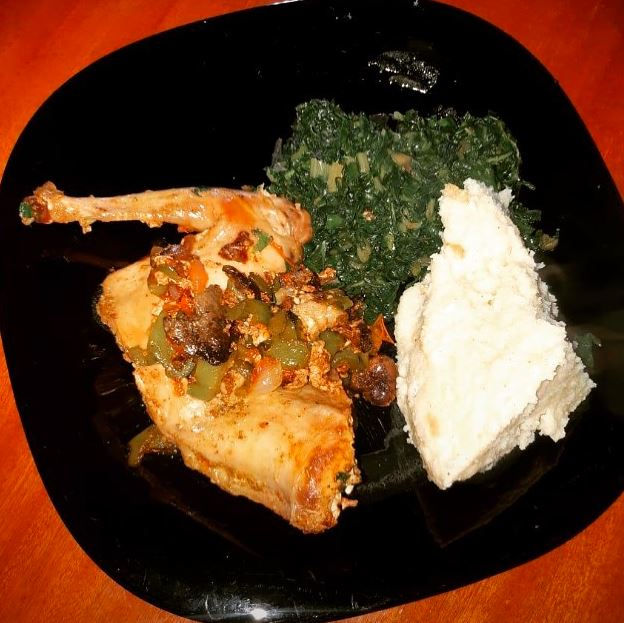
Rabbit meat is marketed as “exotic” and “healthier,” so it’s priced like a luxury product rather than a staple protein.
Small Volumes
Rabbits yield less meat per carcass (2–3 kg) compared to a goat (20+ kg) or cow (200+ kg). This makes unit costs higher.
Why Farmers Still Struggle to Sell
Weak Market Linkages
Most small-scale farmers don’t have access to hotels or supermarkets; they rely on neighbors who won’t pay premium prices.

Consumer Awareness is Low
Many Kenyans are not used to eating rabbit, unlike chicken or beef, so local demand is weak.
Hotels and niche markets do pay higher prices — but only to farmers who can supply consistently, with proper slaughtering and packaging.
No Organized Value Chain
Unlike chicken (broilers with slaughterhouses & distributors), rabbit farming lacks structured marketing systems.
Mismatch in Pricing
Farmers try to sell at KSh 1000/kg, but local buyers compare it to beef/goat and see it as “too expensive.”
Rabbit Value Addition & Product Diversification
Value addition in rabbit farming is an emerging opportunity for Kenyan farmers seeking higher returns beyond live animal sales. Instead of selling raw carcasses, farmers can process rabbit meat into sausages, samosas, meatballs, burgers, and smoked or dried meat

products that appeal to modern urban consumers and hotel markets. Proper packaging, labeling, and hygiene certification greatly increase marketability.

Image of Rabbit urine selling at only 50/- per liter.
Rabbit skins are valuable too; they can be tanned into leather for making gloves, wallets, shoes, or crafts. Manure, rich in nitrogen and phosphorus, can be packaged and sold as organic fertilizer to gardeners and organic farms. Some farmers even venture into rabbit urine bio-fertilizer, which is used as an eco-friendly pesticide and foliar feed.
promote your business through social media platforms and local agri-networks to build trust, visibility, and long-term customers
Successful rabbit farming requires both good production and smart marketing. Farmers should maintain clean housing, proper feeding, and disease control to ensure healthy, market-ready rabbits. Build relationships with hotels, butcheries, and online buyers for consistent demand. Join or form rabbit farmers’ cooperatives to access bulk markets and negotiate better prices.

Focus on quality packaging and hygiene certification to attract premium clients. Diversify products—such as processed meat, manure, or skins—to widen your income sources.
Is rabbit farming in Kenya profitable?
Yes. Rabbit farming is profitable because rabbits multiply quickly, require little space, and have low feeding costs. With proper markets, a farmer can earn steady income from meat, manure, and skins.

How many months does a rabbit take to mature?
Rabbits take about 4–5 months to reach market weight (2–3 kg). Commercial breeds like New Zealand White and Californian grow faster.
Rabbits can be sold to hotels, restaurants, butcheries, supermarkets, direct households, farmers’ cooperatives, and online platforms like Jiji and Facebook groups.
How profitable is rabbit farming?
A well-managed rabbit farm can return 30,000Ksh–100,000Ksh monthly depending on scale, breed, and market access.
What are the disadvantages of rabbit farming?
Limited structured markets, Susceptibility to diseases, Requires proper housing and hygiene and also Rabbit meat is not as popular as chicken or beef, so marketing is challenging.
How much does it cost to feed a rabbit for a month?
Feeding one rabbit may cost KSh 300–500 per month, depending on whether you use commercial pellets, vegetables, or farm fodder.
This common guideline means: breed a doe at 3 months, it gives birth after 30 days, and wean the kits at 30 days.
How many times can a rabbit give birth in a lifetime?
A rabbit can give birth up to 8–10 times a year, with litters of 6–12 kits. Over its breeding lifetime, a doe may produce 40–60 offspring.
What is the best food for rabbits in Kenya?
The best diet includes fresh grass (napier, lucerne), vegetables, pellets, and clean water. Balanced feeding improves growth and fertility.
Start by choosing good breeds (New Zealand White, Californian), building proper hutches, feeding well, and networking with buyers. Start small and scale up as markets grow.
Rabbit meat is considered a specialty white meat, low in fat and cholesterol. Limited supply and high demand in hotels and health-conscious markets push prices higher.


https://h19com.biz/ làm tôi chú ý đến cách khu vực xổ số được tổ chức khi có nhiều loại thông tin và lựa chọn theo từng miền. Tôi thường mở phần xổ số rồi quan sát cách các khu vực miền Bắc, miền Trung, miền Nam, Keno hoặc những nội dung liên quan được phân chia. Nếu mỗi nhóm có dấu hiệu nhận biết rõ và cách chuyển đổi thống nhất thì tôi có thể tìm đúng nội dung nhanh hơn mà không cần thử từng mục. Tôi còn kiểm tra bằng cách mở một lựa chọn, quay lại danh sách và chuyển sang nhóm khác để xem giao diện có duy trì vị trí hoặc trạng thái quen thuộc không. Bên…
jjjph catches my attention through its approach to presenting a slot-based entertainment environment alongside several supporting categories. When reviewing the interface, I focus on the placement of game selections, menu controls, and the relationship between the homepage and individual sections. Slots can be examined together with Sports, Live Casino, Fishing Games, Card Games, Jackpot titles, and Lottery to understand whether the broader ecosystem remains easy to scan. I also observe whether category transitions feel predictable and whether previously visited areas are simple to locate again. Account access, login tools, user details, and support functions provide a separate functional layer that I assess for clarity. A consistent responsive structure can also help retain familiar navigation when the interface shifts between larger desktop…
https://nohu90.download/ khiến tôi quan tâm đến cách giao diện hỗ trợ việc nhận biết nội dung ngay từ lần quan sát đầu tiên. Tôi thường nhìn qua khu vực điều hướng rồi mới lựa chọn sảnh cần kiểm tra. Với Casino, tôi chú ý đến tiêu đề và vị trí nội dung trước khi chuyển sang Bắn cá để so sánh. Sau đó, tôi mở Nổ hũ và Game bài nhằm xem các nhóm có được nhận diện bằng những dấu hiệu tương tự hay không. Khi mỗi khu vực có cách trình bày đủ rõ, tôi dễ hình dung mình đang ở đâu mà không cần mở nhiều mục để kiểm tra. Thể thao và Xổ số tiếp tục được…
luck8 được tôi nhìn nhận trước hết qua sự thay đổi giữa các thiết bị. Tôi sử dụng giao diện trên màn hình lớn để hình dung bố cục tổng thể, sau đó chuyển sang điện thoại và thực hiện lại những thao tác quen thuộc. Tôi kiểm tra menu, tài khoản, nút hỗ trợ và các liên kết hướng dẫn để xem chúng có còn dễ nhận biết khi không gian hiển thị bị thu hẹp. Tôi cũng chú ý đến cách nội dung được sắp xếp theo chiều dọc và số lượng thông tin xuất hiện trong cùng một khung nhìn. Nếu người dùng phải liên tục phóng to, thu nhỏ hoặc quay lại quá nhiều lần, trải nghiệm…
cm88 là nơi tôi thường thử khu bắn cá trên điện thoại để quan sát khả năng giữ thao tác khi màn hình xuất hiện nhiều hình ảnh và hiệu ứng cùng lúc. Tôi kiểm tra vị trí điều khiển, trạng thái phiên, tốc độ phản hồi rồi chuyển giữa những lựa chọn khác nhau để xem cách sử dụng có thay đổi quá nhiều không. Nếu các nút chính vẫn dễ nhận biết, người dùng sẽ ít mất thời gian tìm lại thao tác quen thuộc. Tôi cũng để ý nút quay về sảnh có nổi bật và thông tin quan trọng có bị hiệu ứng che khuất hay không. Với tôi, bắn cá dễ theo dõi khi phản hồi…