
Volcanic Sand Price in Kenya 2026: Cost Per Ton, Per Lorry, Uses, Benefits & Where to Buy


1.)What Is Volcanic Sand
2.)Volcanic Sand Price in Kenya (Updated Rates)
3.)Volcanic Sand vs River Sand (Which Is Better?)
5.)Factors That Affect Volcanic Sand Prices in Kenya
6.)What Can Volcanic Sand Be Used For?
7.)Is Volcanic Sand Good for Construction
8.)Benefits of a Volcanic Sand Bath
9.)FAQs About Volcanic Sand in Kenya

Volcanic sand is a naturally occurring construction material formed from weathered volcanic ash, lava, and rock fragments produced by past volcanic activity. In Kenya, it is commonly sourced from areas such as Mai Mahiu, Naivasha, and Nakuru. The sand is typically dark grey to black in color, fine to medium in texture, and rich in minerals. It is widely used in construction where river sand is scarce, offering good binding strength when mixed correctly.
Volcanic Sand Price in Kenya (Updated Rates)
Volcanic Sand Price Per Lorry (18 Tonnes)

Location / Zone | Price (KES) |
Kahawa Sukari / West | 30,000 |
Githurai / Roysambu | 30,000 |
Ruiru / Mwihoko | 30,000 |
Limuru / Kiambu | 30,000 |
Kiambu Road | 30,000 |
Kenyatta Road | 32,000 |
Juja / Ruai / Joska | 32,000 |
Utawala / Matangi | 32,000 |
Common Myths About Volcanic Sand
❌ “Volcanic sand causes collapsing buildings”
❌ “It is not approved for construction”
Prices vary depending on delivery distance, quantity, and demand, with full lorry loads (typically around 18 tonnes) priced between approximately KES 30,000 and KES 32,000 in major urban and peri-urban areas. These rates are based on actual supplier listings and buyer posts across Kenya, making them reliable for construction budgeting and procurement planning.
Volcanic Sand vs River Sand (Which Is Better?)
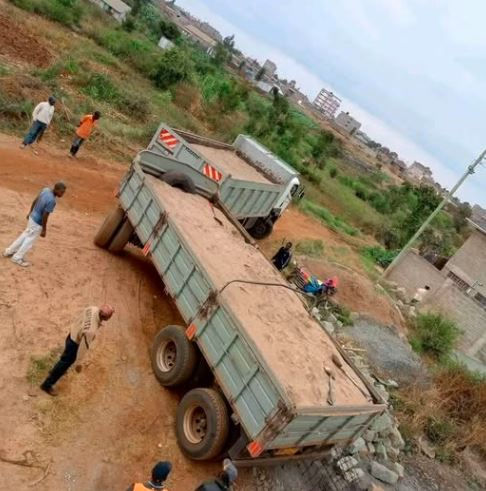
Want To Learn More About River Sand Learn Here >>>
Volcanic sand vs river sand depends on availability and application. Volcanic sand is more affordable and widely available in Rift Valley and Central Kenya, offering good binding strength when proper mix ratios are used. River sand has finer particles and excellent workability but is costlier and increasingly regulated due to environmental concerns.
Feature | Volcanic Sand | River Sand |
Availability | Very high | Scarce / regulated |
Cost | More affordable | Expensive |
Binding strength | Good (with proper mix) | Excellent |
Environmental impact | Lower | High (river degradation) |
Usage areas | Rift Valley, Central Kenya | Nairobi & river zones |
Is Volcanic Sand Good for Skin
Volcanic sand can be beneficial for skin when used carefully, especially in traditional and spa treatments. It is rich in natural minerals and has mild exfoliating properties that help remove dead skin cells, improve circulation, and cleanse pores. Warm volcanic sand baths are believed to promote relaxation and detoxification. However, it should not be used on sensitive or broken skin, and cosmetic-grade preparation is recommended for safety.
Factors That Affect Volcanic Sand Prices in Kenya
Supplier competition and negotiation terms further affect final costs.

Factors That Affect Volcanic Sand Prices in Kenya include the distance from the quarry to the delivery site, with longer distances increasing transport costs. Fuel prices and truck availability also influence rates. Demand levels in urban and peri-urban areas, quality and moisture content of the sand, and seasonal construction activity can raise or lower pricing.
What Can Volcanic Sand Be Used For?
Structural problems are usually caused by poor workmanship, weak cement, or incorrect ratios rather than the sand itself.
Volcanic sand is used in construction, landscaping, and drainage applications. In building, it is commonly used for masonry, block laying, and backfilling. It is also applied in paving works, garden landscaping, and road construction. Due to its granular structure, volcanic sand is effective for drainage and soil stabilization projects.
Is Volcanic Sand Good for Construction
Volcanic sand is good for construction when used correctly and with proper mix ratios. It provides adequate binding strength for masonry work, block laying, and general building, especially in regions where river sand is scarce. Many permanent structures in Rift Valley and Central Kenya are built using volcanic sand.
Benefits of a Volcanic Sand Bath
A volcanic sand bath offers several wellness benefits, mainly due to heat retention and mineral content. Warm volcanic sand helps relax muscles, improve blood circulation, and relieve joint stiffness. It is traditionally believed to support detoxification through sweating and promote overall relaxation. Volcanic sand baths are also used in spa and therapeutic settings to reduce stress and improve physical comfort when done safely.
FAQs About Volcanic Sand in Kenya
What is volcanic sand in Kenya?
Volcanic sand is a natural building material formed from weathered volcanic ash and lava deposits. In Kenya, it is mainly sourced from areas such as Mai Mahiu, Naivasha, and Nakuru and is widely used where river sand is scarce.
How much does volcanic sand cost in Kenya?
The price of volcanic sand in Kenya typically ranges between KES 30,000 and KES 32,000 per lorry (about 18 tonnes), depending on delivery location, fuel costs, and supplier.
Is volcanic sand good for construction?
Yes. Volcanic sand is suitable for construction when proper cement ratios and good workmanship are used. Many permanent buildings in Rift Valley and Central Kenya are built using volcanic sand.
How many tonnes are in a lorry of volcanic sand?
A standard lorry of volcanic sand usually carries approximately 18 tonnes, though this may vary slightly depending on truck size and loading regulations.
Is volcanic sand better than river sand?
Volcanic sand is more affordable and readily available, while river sand offers finer texture and workability. The better option depends on project requirements, availability, and budget.
Can volcanic sand be used for plastering?
Volcanic sand can be used for plastering, but it is recommended to sieve it properly and use correct cement ratios to achieve a smooth finish.
Where is volcanic sand sourced in Kenya?
Most volcanic sand in Kenya is sourced from Mai Mahiu, Naivasha, and Nakuru regions, which are rich in volcanic deposits.
Is volcanic sand environmentally friendly?
Compared to river sand, volcanic sand has a lower environmental impact since it reduces pressure on river ecosystems and minimizes riverbank degradation.


Comments