
Bischofia javanica (Bishop Wood Tree): Uses, Benefits, Problems & Growing Guide

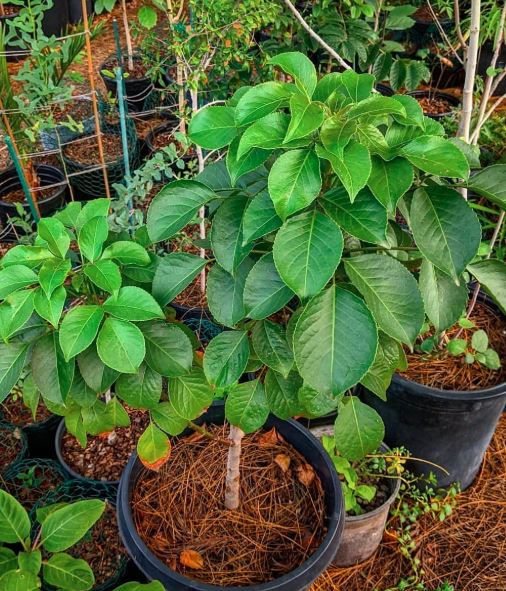
Image of a Bischofia javanica (Bishopwood) by ariels_nursery
2.)Bischofia javanica Common Names
3.)Bischofia javanica Tree Characteristics
4.)Bischofia javanica Leaves
5.)Bischofia javanica Fruit
6.)Uses of Bischofia javanica
7.)Benefits of Bischofia javanica
8.)Problems With Bischofia javanica
9.)Frequently Asked Questions About Bischofia javanica
In the 19th and 20th centuries unfortunately, these trees were a dwindling resource, being put under tremendous pressure by tree cutting, logging and over-exploitation- Sorel Camelia
Bischofia javanica, commonly known as the Bishop Wood Tree or Bishop Tree, is a large, fast-growing tropical tree native to Asia and introduced to other regions, including parts of Africa. It can reach heights of 30–40 meters and is easily identified by its distinctive trifoliate leaves, each composed of three glossy leaflets.
Bischofia javanica is dioecious
Male trees produce pollen
Female trees produce fruit
Male flowers are small and clustered
Female flowers lead to fruit after pollination
The tree develops a straight, cylindrical trunk with rough grayish-brown bark and produces small, purplish berries that are not considered edible for humans. Bischofia javanica thrives in warm, high-rainfall environments such as forest edges and riverbanks. It is valued for timber, shade, ornamental planting, and limited traditional medicinal uses, though its strong roots require careful site selection.
Bischofia javanica Common Names
Bischofia javanica is known by several common names that vary by region and local language. The most widely used English name is Bishop Wood or Bishop Tree, referring to the strength and prominence of the timber. In parts of Asia, it is also called Java Cedar or Javanese Bishopwood, though it is not a true cedar.
Bischofia javanica Tree Characteristics

Image of a Bischofia javanica stands in a sunny, grassy yard
Bischofia javanica is a large, fast-growing evergreen to semi-deciduous tree with a broad, dense canopy. It commonly reaches heights of 30–40 meters with a straight, cylindrical trunk and rough grayish-brown bark. A key identifying feature is its trifoliate leaves, each consisting of three glossy leaflets. The tree develops a strong root system, making it durable but unsuitable for planting close to buildings.

Image Close-up of green Bischofia javanica leaves by a_plantrecord
The leaves of Bischofia javanica are one of its most distinctive features. They are compound and trifoliate, meaning each leaf is made up of three separate leaflets. The leaflets are oval to lance-shaped with smooth margins and a glossy deep-green surface.
Bischofia javanica Fruit

Clusters of brownBischofia javanica fruits hang from a tree
The fruit of Bischofia javanica consists of small, round berries borne in dense, hanging clusters. They are green when immature and gradually turn reddish-brown to purplish as they ripen, measuring about 0.8–1 cm in diameter. Fruits develop only on female trees, as the species is dioecious. Despite their resemblance to edible fruits like longan, Bischofia javanica fruits are not edible for humans.
Uses of Bischofia javanica

Image of a large Bischofia javanica trees with thick trunks by HsinYen Lin
Bischofia javanica is valued for several practical and environmental uses. Its moderately strong and durable timber is used in furniture making, interior construction, boat building, and general carpentry. The tree is widely planted as a shade and ornamental tree in parks, avenues, and large landscapes due to its broad canopy. In agroforestry and reforestation, it helps with soil stabilization and erosion control.
Bischofia javanica offers several ecological and practical benefits. It is a fast-growing tree that provides excellent shade due to its wide, dense canopy. The species contributes to soil stabilization, especially along riverbanks and slopes, helping reduce erosion. Its large biomass supports carbon sequestration, making it useful in environmental planting programs. Additionally, its timber value and ornamental appeal add economic and aesthetic benefits in suitable locations.
Problems With Bischofia javanica
Despite its benefits, Bischofia javanica has several drawbacks. The tree develops a strong, wide-spreading root system that can damage pavements, foundations, and underground pipes if planted near buildings. Its dense canopy may suppress understory vegetation and crops, limiting its suitability for small farms.
Frequently Asked Questions About Bischofia javanica
Save Indigenous Tree Seeds Before They Are Lost Forever
What is Bischofia javanica commonly known as?
Bischofia javanica is commonly known as Bishop Wood Tree, Javanese Bishopwood, or simply Bischofia. The common name varies by region, especially across Asia and parts of Africa.
Is Bischofia javanica fruit edible?
No, Bischofia javanica fruit is not considered edible for humans. While wildlife may interact with the fruits, there is no documented evidence supporting safe human consumption.
What are the main uses of Bischofia javanica?
Bischofia javanica is mainly used for Timber production ,Shade and ornamental planting, Agroforestry and soil stabilization and Urban landscaping in parks and roadsides
Does Bischofia javanica have medicinal properties?
Traditional and laboratory studies suggest the bark contains antioxidant and anti-inflammatory compounds, but these findings are mostly experimental. The tree is not widely used in modern clinical medicine.
Why do tigers scratch Bischofia javanica trees?
Tigers are known to scratch trees for territory marking, claw maintenance, and communication. While Bischofia javanica trees have been observed with scratch marks, there is no scientific proof that tigers choose them for medicinal reasons.
Is Bischofia javanica invasive?
In some regions, Bischofia javanica is considered potentially invasive due to its fast growth, dense canopy, and strong root system, especially outside its native range.
How fast does Bischofia javanica grow?
Bischofia javanica is a fast-growing tree, especially in warm, high-rainfall areas. Under good conditions, it establishes quickly and forms a broad canopy within a few years.
Can Bischofia javanica be planted near buildings?
It is not recommended to plant Bischofia javanica close to buildings. The tree develops strong, wide-spreading roots that may damage foundations, pavements, and underground pipes.
What climate does Bischofia javanica grow best in?
The tree thrives in Tropical to subtropical climates, Moderate to high rainfall areas, Well-drained soils,It performs best at medium altitudes with consistent moisture.
Is Bischofia javanica suitable for Kenya and East Africa?
Yes, Bischofia javanica can grow in parts of Kenya and East Africa, particularly in highland and forest-edge environments, though careful site selection is important due to its size and root behavior.
Are Bischofia javanica seeds available for sale?
Yes, Bischofia javanica seeds are available through specialized tree seed suppliers and nurseries, often sold for forestry, landscaping, and conservation planting.
Is Bischofia javanica good for agroforestry?
It can be used in agroforestry systems for shade and soil protection, but its dense canopy may suppress crops, so spacing and management are critical.


Comments