
Spices Farming in Kenya: Complete Guide to Profitable Spice Crops & Export Markets

Updated: Jan 9

Green and white Pineapple Mint by Pasharn Fruit Nursery
1.)Spice and Herbs Seedling Price List
2.)Why Spices Farming Is Growing Fast in Kenya
4.)How Profitable Is Spices Farming in Kenya
5.)How to Start Spices Farming in Kenya
7.)Contract Farming for Herbs in Kenya
8.)Challenges & Solutions in Spices Farming

Spices farming in Kenya is becoming one of the fastest-growing agribusiness opportunities due to rising demand from restaurants, wellness shops, exporters, and herbal processors. Farmers are increasingly cultivating high-value spices such as rosemary, thyme, basil, chamomile, fennel, lemongrass, hibiscus, and stevia because they require small land size, have low water needs, and mature quickly. Coastal, central, and western Kenya offer ideal warm climates for most herbs, while greenhouse systems allow year-round production.

With proper spacing, irrigation, pruning, and organic pest control, farmers achieve high yields and premium-quality leaves or seeds. Market opportunities include supermarkets, hotels, spice processors, essential oil manufacturers, and export buyers. Many farmers earn consistent income by selling seedlings, fresh herbs, or dried spices at premium margins.

Spice / Herb Seedling | Price (KSh) |
Candyleaf (Stevia) | 350 |
Chamomile | 200 |
Chocolate Mint | 150 |
Fennel | 200 |
Garden Rue | 250 |
Hibiscus | 300 |
Holy Basil | 300 |
Lemon Balm | 200 |
Lemon Grass | 250 |
Moringa | 250 |
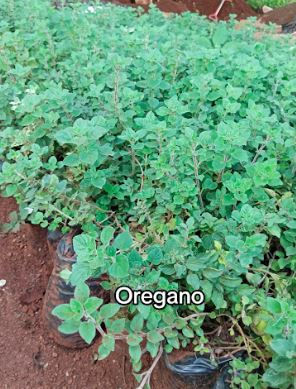
Oregano | 250 |
Peppermint | 150 |
Phyla Dulcis (Aztec Sweet Herb) | 300 |
Pineapple Sage (Salvia elegans) | 200 |
Rosemary | 150 |
Sage | 200 |
Spider Mint | 150 |
Sweet Basil | 250 |
Thyme | 150 |
Why Spices Farming Is Growing Fast in Kenya

Many spice crops can be produced on small land with good returns. Urban households, hotels, restaurants, and food processors are using more spices, and health-conscious consumers are buying ginger, turmeric, garlic, chilli, and herbs for home remedies and value-added products. Export markets are also expanding for dried chillies, ginger, turmeric, and specialty herbs, creating opportunities for contract farming and organized supply. Many spices mature quickly, allowing multiple harvests per year, and they can be grown in diverse climates from coastal zones to warm lowlands and irrigated areas—making them attractive to both smallholders and agribusinesses.

Most Profitable Spices to Grow in Kenya
Spices are profitable in Kenya because they need small land, have high value per kilo, and enjoy strong local and export demand. Below are the top-performing spice crops based on farmer returns, market demand, and adaptability.
1. Ginger

Ginger is one of the most profitable spices due to strong demand from households, hotels, herbal processors, and exporters. It grows well in warm, well-drained areas and can be harvested within 8–10 months. Fresh and dried ginger both fetch good prices.
2. Turmeric

Turmeric is gaining popularity because of its medicinal and cosmetic uses. It is drought-tolerant, low-maintenance, and suitable for value addition into powder. Demand is rising among health-conscious consumers and herbal companies.
3. Chilli (Bird’s Eye & Bullet)

Chilli farming offers very high returns per acre, especially for export varieties. It matures fast, allows multiple harvests, and has ready buyers in processing and export markets. Drying chillies further increases profitability.
4. Garlic

Garlic has consistent demand and premium prices, especially when locally produced. Though seed costs are higher, returns are strong due to imports being expensive. It does well in cool to warm regions with proper management.
5. Black Pepper

Though still emerging, black pepper is a long-term high-value crop. Once established, it produces for many years and attracts premium prices in both local and export markets.

Spices farming in Kenya is highly profitable because it combines low land requirements with high market value. Many spices such as ginger, turmeric, chilli, garlic, and basil mature within 3–10 months, allowing farmers to earn income faster than traditional crops. On average, one acre of well-managed spices can generate 2–5 times more income than maize or beans, especially where irrigation and proper agronomy are used.
Profit margins increase further through value addition such as drying, grinding, or packaging. Demand is strong from households, hotels, food processors, herbal companies, and exporters, reducing market risk. While input costs like quality seed, irrigation, and pest control exist, spices reward farmers who focus on quality and consistent supply.
How to Start Spices Farming in Kenya

Image Close-up of whole black peppercorns
Starting spices farming in Kenya is achievable even on small land if you plan well and target the right market. Here’s a practical step-by-step guide.
1. Choose the Right Spice Crop
Start with high-demand, fast-moving spices such as ginger, turmeric, chilli, garlic, coriander, or basil. Consider your climate, soil type, water availability, and market access before choosing.
2. Select a Suitable Location
Most spices thrive in warm temperatures, well-drained soils, and full sunlight. Spices do well in the Coast, Eastern Kenya, parts of Rift Valley lowlands, and irrigated areas nationwide.
3. Prepare Land Properly
Plough and harrow to achieve a fine tilth. Add organic manure or compost to improve soil fertility. Raised beds are recommended for spices like ginger and turmeric to prevent waterlogging.
4. Use Quality Planting Material
Source certified seeds, seedlings, or rhizomes from reliable suppliers. Poor planting material leads to low yields and disease problems.
5. Plant and Manage the Crop
Follow recommended spacing, apply mulch to retain moisture, and weed regularly. Most spices benefit from supplementary irrigation, especially during dry periods.
6. Control Pests and Diseases
Practice crop rotation, field hygiene, and timely pest control. Early detection prevents major losses.

pile of dried red hibiscus petals
7. Harvest, Process & Store
Harvest at the right maturity stage. Drying, grinding, or packaging spices increases shelf life and selling price.
8. Identify Buyers Early
Secure buyers such as local markets, hotels, processors, exporters, and herbal companies before harvesting to avoid distress sales.

Herbs and spices in Kenya can be sold through multiple high-demand channels, depending on quality and volume. Local open-air markets, supermarkets, and neighborhood grocery shops offer quick cash sales for fresh and dried spices. Hotels, restaurants, and catering businesses provide consistent demand, especially for herbs like basil, rosemary, thyme, and mint. Food processors and herbal companies buy in bulk for grinding, packaging, and value-added products. Exporters and contract buyers target chilli, ginger, turmeric, and specialty herbs for regional and international markets. Online platforms, direct WhatsApp sales, and farm-gate contracts also help farmers reach buyers faster and secure better prices.
Contract Farming for Herbs in Kenya

Contract farming for herbs in Kenya is growing as exporters, food processors, and hospitality suppliers seek consistent quality and reliable volumes. Under this model, buyers sign agreements with farmers before planting, specifying the herb variety, quality standards, delivery schedule, and pricing or pricing formula. Common contract herbs include basil, rosemary, thyme, mint, coriander, and parsley, mainly for export and high-end local markets. Farmers benefit from guaranteed markets, technical support, and sometimes seed or input provision, reducing marketing risks. However, contracts require strict adherence to good agricultural practices, pesticide regulations, and traceability standards. Farmers with irrigation, organized groups, and proper post-harvest handling are best positioned to succeed in herb contract farming in Kenya.

Challenges & Solutions in Spices Farming
Spices farming in Kenya faces challenges such as poor-quality planting materials, pests and diseases, inconsistent rainfall, and unstable markets. Many farmers also lack knowledge on proper harvesting and post-harvest handling, leading to low quality and reduced prices. These challenges can be addressed through certified seeds and seedlings, adoption of irrigation and mulching, and regular field scouting for early pest control. Training farmers on good agricultural practices (GAP) and proper drying and storage improves quality. Forming farmer groups, securing contract buyers early, and investing in simple value addition such as drying and grinding help stabilize prices and increase overall profitability.
Frequently Asked Questions On Spice Farming

What herbs are best for making money in Kenya?
The most profitable herbs in Kenya include basil, rosemary, thyme, mint, coriander, parsley, and chives. These herbs have strong demand from hotels, restaurants, supermarkets, processors, and exporters. They grow fast, allow multiple harvests, and can be farmed on small land with irrigation.
Yes, selling herbs in Kenya is profitable. Farmers earn income by supplying fresh herbs, dried herbs, or processed products to local markets, hotels, exporters, and online buyers. Value addition and contract farming significantly increase earnings.
What are the most profitable spices to grow in Kenya?
Highly profitable spices include ginger, turmeric, chilli (bird’s eye), garlic, and black pepper. These spices have strong local and export demand and can earn higher returns per acre compared to traditional crops.

How profitable is spices farming in Kenya?
Spices farming can generate 2–5 times more income per acre than maize or beans. With good management, irrigation, and access to buyers, spices offer high returns due to fast maturity and premium pricing.
How much capital is needed to start spices farming in Kenya?
Small-scale spices farming can start with KSh 30,000–100,000, depending on the crop, land size, irrigation, and seed quality. Starting small and scaling gradually is recommended.
How to start small-scale spices farming in Kenya?
Begin by choosing one high-demand spice, preparing land well, using certified planting materials, applying irrigation, and identifying buyers early. Many farmers start on ¼–½ acre.
Where can I sell herbs and spices in Kenya?
Herbs and spices can be sold to local markets, supermarkets, hotels, restaurants, food processors, herbal companies, exporters, and online buyers. Contract farming offers guaranteed markets.
Is contract farming available for herbs in Kenya?
Yes. Exporters and processors offer contracts for herbs like basil, rosemary, thyme, mint, and parsley, providing stable markets and sometimes inputs and training.

Which plant gives more profit in Kenya?
High-value crops such as herbs, spices, vegetables, and fruits generally give higher profits per acre than cereals, especially under irrigation and good market access.
What spice is considered the “queen of herbs”?
Basil is often referred to as the “queen of herbs” due to its strong aroma, culinary value, and high demand in both local and export markets.


Comments