
Power Saw Cutting Trees in Kenya: Cost, Prices, Timber Sizes & Chainsaw Guide

Updated: Mar 23

1.)What Is a Power Saw and How Is It Used to Cut Trees
2.)How Power Saw Tree Cutting Works in Kenya
3.)Cost of Cutting Trees Using a Power Saw (Per Tank Explained)
4.)Power Saw Price in Kenya (Buying vs Hiring)
5.)Timber Sizes Explained: 4×2, 3×2, 2×2 and Their Uses
6.)How Timber Size Affects Cost (Where Most People Get Overcharged)
8.)How to Maximize Timber From One Tree
What Is a Power Saw and How Is It Used to Cut Trees
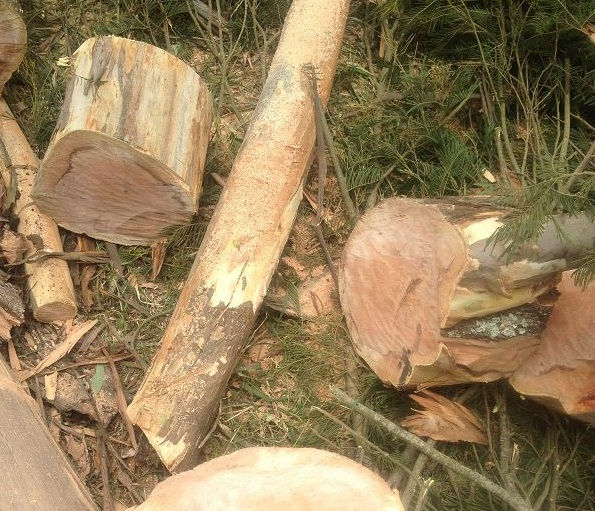
powersaw drivers love mexican cypress wood as its easy to work with compare to other trees

A power saw, commonly known as a chainsaw, is a portable machine designed to cut wood using a fast-moving chain with sharp teeth rotating around a guide bar. In tree cutting, the operator first makes directional cuts at the base to control how the tree falls.
4×2 (8 ft) = 56Ksh
2×2 (2 pieces) = 112Ksh
Smaller pieces can cost you DOUBLE.
Once felled, the tree is cut into manageable sections and prepared for timber processing, making the chainsaw an essential tool in forestry and construction.
Timber Type | Cost (8 ft) | Use |
4×2 | 56 KSh | Framing |
3×2 | 56 KSh | Roofing |
2×2 (2 pcs) | 112 KSh | Purlins |
How Power Saw Tree Cutting Works in Kenya
Power saw tree cutting in Kenya follows a structured process that begins with proper planning and ends with timber preparation. First, the operator assesses the tree, checking its size, lean direction, and surrounding space to ensure a safe fall. A directional notch is then cut at the base, followed by a back cut that allows the tree to fall in a controlled direction.
Most chainsaw operators in Kenya charge per fuel tank (about KSh 800) — always confirm the tank is full before work starts.

A single blue gum tree can produce dozens of timber pieces — but poor planning can waste over 30% of usable wood.

Once the tree is down, it is trimmed and cut into manageable log lengths, usually 7 to 8 feet, which match common construction sizes. The chainsaw operator typically charges per fuel tank, making efficiency important during cutting. These logs are then either transported or taken to a nearby sawmill, where they are processed into timber sizes like 4×2, 3×2, and 2×2 for construction use.
Cost of Cutting Trees Using a Power Saw (Per Tank Explained)
Cutting timber without deciding sizes (4×2, 3×2, 2×2) can double your cost and waste valuable wood.

In Kenya, the cost of cutting trees using a power saw is commonly charged per fuel tank, rather than per tree or per hour. The average rate ranges between 700Ksh and 900Ksh, with 800Ksh per tank being the most common market price.
If you don’t understand per-foot pricing, you can easily be overcharged without realizing it.
Before starting work, the chainsaw operator usually opens the fuel tank to show it is full, ensuring transparency. As the cutting continues, once the fuel is finished, the tank is checked again. If more work is needed, another full tank is added, meaning another 800Ksh is charged.
The total cost depends on factors such as the size of the tree, number of cuts required, and hardness of the wood. Larger or harder trees consume more fuel, increasing the number of tanks used. This pricing method ensures clients only pay for the actual work done.
Power Saw Price in Kenya (Buying vs Hiring)
Power saw prices in Kenya vary widely depending on type and quality. Small electric or cordless chainsaws can cost as low as 2,000Ksh–15,000Ksh, while professional petrol models like Husqvarna or Stihl range from 50,000Ksh to over 100,000Ksh. Due to this high upfront cost, many farmers and contractors prefer hiring, which is more affordable and includes an experienced operator.
Timber Sizes Explained: 4×2, 3×2, 2×2 and Their Uses
Timber sizes in Kenya are usually measured in inches and are cut based on the intended use in construction. The most common sizes include 4×2, 3×2, and 2×2, each serving a specific purpose.

4×2 timber is the strongest and is mainly used for structural framing, beams, and load-bearing sections. It is typically cut from the thicker part of the tree trunk.
3×2 timber is widely used in roofing structures such as rafters and supports because it offers a balance between strength and cost.
2×2 timber is lighter and mostly used for purlins (parine) and secondary supports in roofing. It is often cut from smaller sections of the tree or split from larger timber pieces.
Timber size has a direct impact on cost, especially because milling in Kenya is charged per foot. While many people assume a larger piece like 4×2 is more expensive, the pricing can actually be misleading.
For example, one 4×2 (8 feet) costs about 56Ksh (8 × 7). However, if that same piece is cut into two 2×2 pieces, the cost becomes 112Ksh because each piece is charged separately per foot.
This is where many customers get overcharged—more pieces mean more total feet billed. To avoid this, always plan your timber sizes in advance, understand the per-foot pricing, and confirm measurements before milling begins.
Common Mistakes When Cutting Trees in Kenya
Sometimes a tree may not fall after cutting. In such cases, experienced operators carefully release it — this is why you should always keep a safe distance.
One of the most common mistakes is cutting a tree without a clear plan. Many people fail to decide the timber sizes they need (such as 4×2 or 3×2), leading to unnecessary waste and higher costs. Another mistake is not understanding how charges work, especially the per tank and per foot pricing, which can result in overpaying.
Some people also ignore safety by standing too close during tree felling, which is dangerous. Others fail to check the fuel tank before and after cutting, making it easy to be overcharged. Lastly, poor cutting direction can cause trees to fall on other trees or structures, leading to damage and loss of usable timber.
Maximizing timber from one tree starts with proper planning before any cutting begins. First, decide the exact timber sizes you need such as 4×2, 3×2, or 2×2, so the operator cuts with minimal waste. Always begin milling from the base of the trunk, where the wood is thickest and produces stronger, larger pieces.
Cut the tree into standard lengths like 7 or 8 feet to match construction needs and reduce offcuts. Avoid unnecessary splitting into many smaller pieces, as this increases waste and cost. Work with an experienced operator who understands timber layout, as proper alignment during cutting can significantly increase the number of usable pieces from a single tree.
FAQ: Power Saw Cutting Trees in Kenya
How much does it cost to cut a tree using a power saw in Kenya?
The cost of cutting a tree using a power saw in Kenya is usually charged per fuel tank, with the average price being around KSh 700 to KSh 900, commonly KSh 800 per tank. Larger trees or more cuts may require multiple tanks, increasing the total cost.
Why do chainsaw operators charge per tank in Kenya?
Chainsaw operators charge per tank because fuel consumption depends on the size of the tree, number of cuts, and hardness of the wood. Charging per tank ensures fair pricing based on actual work done rather than a fixed rate per tree.
What size timber can be cut from a tree?
Common timber sizes produced in Kenya include:
4×2 – used for structural framing
3×2 – used for roofing
2×2 – used for purlins (parine)
The size depends on the thickness of the tree, with larger sections producing bigger timber like 4×2.
How is timber cutting cost calculated at a sawmill?
Timber milling is usually charged per foot, with an average cost of about KSh 7 per foot.For example:
4×2 (8 feet) = 8 × 7 = KSh 56
Two 2×2 pieces (8 feet each) = KSh 112 total
More pieces mean higher total cost.
What is the best length to cut logs for timber?
Most logs are cut into 7 or 8 feet lengths, with 8 feet being the most common. This length matches standard construction sizes and helps reduce timber wastage.
Can a power saw cut any type of tree?
Yes, a power saw can cut most trees, including blue gum, cypress, and pine, but harder wood may require more fuel and time, increasing the overall cost.
What happens to leftover wood after cutting?
After cutting and milling, leftover materials such as:
Offcuts
Sawdust
are usually used for firewood or charcoal production, ensuring minimal waste.
How can I avoid being overcharged when cutting trees?
To avoid overpaying:
Always check the fuel tank before and after use
Know the timber sizes you need before cutting
Understand cost per tank and cost per foot
Agree on pricing before work starts
Is it better to buy or hire a power saw in Kenya?
For most people, it is better to hire a power saw operator because:
Buying a chainsaw is expensive
Operators have experience
Hiring reduces risk and mistakes
Is using a power saw dangerous?
Yes, power saws are dangerous if not handled properly. Always:
Stay away from the cutting area
Let trained operators handle the saw
Ensure the tree has enough space to fall safely


Comments