
Kiambu County Guide (2026): Sub Counties, Business Permits, Towns, Map & Cost of Living


1.)Where is Kiambu County Located
3.)Major Towns in Kiambu County
5.)Cost of Living in Kiambu County (2026)
7.)Kiambu County Business Permit Cost (2026)
9.)Housing and Urban Development in Kiambu
11.)Why People Are Moving to Kiambu County
12.)Frequently Asked Questions About Kiambu County
Overview of Kiambu County
Kiambu sits just about 20 km from Nairobi CBD, making it one of the closest counties to Kenya’s economic powerhouse.

With over 2 million residents, Kiambu is among the most densely populated counties in Kenya.
Kiambu County is one of the most strategic and economically vibrant counties in Kenya, located in the central region of the country. It is designated as County Number 022 and plays a critical role as a bridge between the highly urbanized Nairobi City and the agricultural-rich central highlands.
Rural Areas
Rural zones such as:
Gatundu
Githunguri
Lari
Kiambu County lies just north of Nairobi, approximately 20 km from the Central Business District (CBD). Its proximity to Nairobi makes it one of the most desirable locations for:
Residential settlement (commuters working in Nairobi)
Business expansion (lower costs than Nairobi)
Industrial development (especially along Thika Road)
According to official county planning documents, Kiambu covers approximately 2,538.6 square kilometres and borders:
Nairobi (South)
Murang’a (North & East)
Nyandarua (North-West)
Nakuru (West)
Machakos & Kajiado (South-East)
Urban Centres
Key towns experiencing rapid growth include:
Thika – Industrial and manufacturing hub
Ruiru – Fastest-growing residential town
Juja – Education and real estate growth
Kiambu Town – Administrative headquarters
Kikuyu & Limuru – Residential and agricultural blend
Where is Kiambu County Located
Kiambu is among the most densely populated counties in Kenya, with a population exceeding 2 million people. Key drivers of population growth include Migration from Nairobi due to high rent, Expansion of real estate and Job opportunities in trade and industry
Kiambu County is located in central Kenya, just north of Nairobi, about 20 km from the capital. It borders Murang’a, Nyandarua, Nakuru, Machakos, and Kajiado counties, making it one of the most strategically positioned and rapidly growing counties in Kenya. Kiambu lies between Latitudes: 0°25′ South to 1°20′ South and Longitudes: 36°31′ East to 37°15′ East. This places it right within Kenya’s highland region, known for fertile soils and moderate climate.
Few counties in Kenya benefit as directly from Nairobi’s economic spillover as Kiambu.
Major Towns in Kiambu County
Kiambu County is home to several rapidly growing towns that play a major role in its economy, population growth, and urban expansion. Because of its proximity to Nairobi, many of these towns have evolved into satellite urban centres, attracting residents, businesses, and investors.
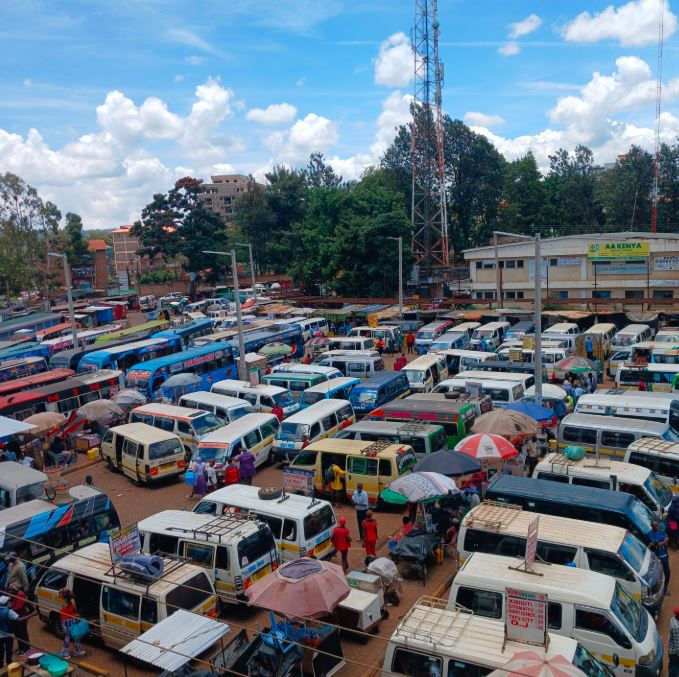
Thika is the largest and most industrialized town in Kiambu County. Key Features include
Hosts major industries (food processing, manufacturing, textiles) Located along Thika Superhighway with a Strong employment base. Thika is ideal for Manufacturing businesses, Logistics and transport and Large-scale commercial investments
Sub Counties in Kiambu County
Kiambu County has a unique mix of urban and rural environments, making it attractive to a wide range of people.
Kiambu County is administratively divided into 12 sub-counties, which serve as key units for governance, service delivery, and development planning. These sub-counties are further divided into wards, locations, and sub-locations, helping the county government manage both urban and rural populations effectively.
Full List of Sub Counties in Kiambu County
Kiambu |
Kiambaa |
Kabete |
Kikuyu |
Limuru |
Lari |
Githunguri |
Gatundu North |
Gatundu South |
Ruiru |
Juja |
Thika Town |
Ruiru & Juja → Best for real estate and SMEs
Thika → Best for industrial businesses
Limuru & Githunguri → Best for agriculture
Kiambu Sub County
Hosts Kiambu Town (county headquarters)
Administrative and political center
High population density and growing real estate
Kiambaa Sub County
Includes areas like Karuri and Ndumberi
Rapidly urbanizing due to proximity to Nairobi
High demand for housing and small businesses
Kabete Sub County
Located along Waiyaki Way
Mix of residential estates and institutions
Strategic for commuters to Nairobi CBD
Kikuyu Sub County
One of the most populated areas
Strong real estate growth
Key transport corridor to Nairobi and Nakuru
Limuru Sub County
Known for tea farming and cool climate
Also experiencing residential growth
Hosts major agricultural estates
Lari Sub County
Predominantly rural
Rich in forests and agriculture
Less urbanized compared to others
Githunguri Sub County
Famous for dairy farming
Home to cooperative movements
Strong agricultural economy
Gatundu North Sub County
Rural setup with agricultural focus
Coffee and subsistence farming dominant
Gatundu South Sub County
Mix of rural and peri-urban areas
Growing population due to urban spillover
Ruiru Sub County
One of the fastest-growing urban areas in Kenya
Major real estate developments
High demand for rental housing and services
Juja Sub County
Hosts Jomo Kenyatta University of Agriculture and Technology (JKUAT)
Youth-driven economy
Rapid expansion of hostels and rentals
Population and Demographics of Kiambu County
Kiambu County has a population of over 2 million people, making it one of the most densely populated regions in Kenya. Its growth is driven by migration from nearby Nairobi due to lower living costs and better housing options. The population is largely urbanizing, especially in towns like Ruiru and Juja, while rural areas remain agricultural. Kiambu is also cosmopolitan, hosting diverse communities and a strong working-class population that supports business growth and economic activity.
Cost of Living in Kiambu County (2026)

The cost of living in Kiambu County in 2026 is relatively affordable compared to nearby Nairobi, making it attractive for residents and businesses. Rent varies widely, with apartments ranging from about KSh 13,000 to KSh 40,000+ per month depending on location and quality . Public transport is cheap, averaging around KSh 70–110 per trip . Meals at local eateries cost about KSh 200–400, helping keep daily expenses manageable . Overall, Kiambu offers a balanced lifestyle with lower housing costs and easy access to Nairobi’s opportunities.
Doing Business in Kiambu County
Doing business in Kiambu County is highly attractive due to its proximity to Nairobi and rapidly growing population. The county offers strong opportunities in retail, real estate, agriculture, and small enterprises such as cyber cafés and printing services. Key towns like Ruiru, Juja, and Thika provide high customer traffic and demand. Business costs, including permits and rent, are generally lower than Nairobi, making it ideal for startups and SMEs. With good infrastructure and access to major highways, Kiambu continues to be a prime location for business growth.
Kiambu County Business Permit Cost (2026)

Business permit costs in Kiambu County are governed by the Finance Act (2025/2026) and vary depending on:
Business size
Location (Zone A, B, or C)
Type of business
Single Business Permit (Main License)
This is the core license required for any business in Kiambu.
💵 Typical Costs (2026 Estimates)
Small businesses (cyber café, kiosk, small shop):
KSh 3,500 – 10,000 per year
Medium businesses (retail shop, office):
Around KSh 6,500+ annually
Larger businesses:
Can exceed KSh 20,000 – 70,000+ depending on size and location
Additional Mandatory Charges
Apart from the main permit, businesses may pay:
🔥 Fire inspection fee
🧹 Waste management fee
🪧 Signage / advertising fee
🧪 Public health inspection fee
👉 These are required under county regulations and vary by business type.
Zoning System
Kiambu uses zones to determine pricing:
Zone A: Thika, Ruiru, Kiambu, Juja → Highest fees
Zone B: Kikuyu, Limuru, Kabete → Moderate fees
Zone C: Gatundu, Lari → Lower fees
The same business can pay different fees depending on location.
Recent Changes
Fees have been reduced by up to 50% in recent finance acts to support SMEs
Permits are now valid for 12 months from payment date (not calendar year)
Flexible payment options (installments) introduced
This makes Kiambu more business-friendly than before
Economic Activities in Kiambu County
Kiambu County has a diverse and fast-growing economy driven by its proximity to Nairobi. Agriculture remains key, with tea, coffee, dairy, and horticulture supporting rural livelihoods. Urban areas like Thika and Ruiru host manufacturing industries, including food processing and textiles. The county also has a strong SME sector, with retail shops, transport, and service businesses thriving due to high population density. Real estate is rapidly expanding, especially in Ruiru, Juja, and Kikuyu, making Kiambu a major economic hub in Kenya.
Housing and Urban Development in Kiambu
Housing and urban development in Kiambu County are rapidly expanding due to its proximity to Nairobi. Towns like Ruiru, Juja, and Kikuyu are experiencing a surge in real estate, with apartments, gated communities, and rental units increasing to meet demand. This growth is driven by migration from Nairobi and rising population. However, rapid urbanization has also led to challenges such as informal settlements and pressure on infrastructure. The county is implementing long-term planning strategies to improve affordable housing, urban planning, and service delivery.
Transport and Accessibility in Kiambu County
Kiambu County has excellent transport and accessibility, with major highways like Thika Superhighway, Northern Bypass, Kiambu Road, Southern Bypass and Waiyaki Way connecting it to Nairobi. Public transport is widely available, making commuting easy and supporting business growth across the county.
Why People Are Moving to Kiambu County
Kiambu County has become one of the most preferred places to live in Kenya, mainly due to its proximity to Nairobi and its rapidly improving living conditions.Rent and housing in Kiambu are generally cheaper than Nairobi, making it attractive for Young professionals, Families, Small business owners. Areas like Ruiru and Juja offer modern housing at lower costs.Kiambu is located just 15–40 km from Nairobi CBD, with major roads like Thika Superhighway ,Kiambu Road ,Bypass and Waiyaki Way
Frequently Asked Questions About Kiambu County
What is Kiambu County known for?
Kiambu County is known for its close proximity to Nairobi, making it one of the fastest-growing economic zones in Kenya. It is famous for agriculture (tea, coffee, and dairy farming), real estate development, and thriving small businesses, especially in towns like Thika, Ruiru, and Kikuyu.
How many sub counties are in Kiambu County?
Kiambu County has 12 sub counties, including Kiambu Town, Ruiru, Thika Town, Juja, Limuru, Kikuyu, Githunguri, Gatundu North, Gatundu South, Kabete, Lari, and Kiambaa.
How far is Kiambu County from Nairobi?
Kiambu Town is approximately 20 km from Nairobi CBD, making it a popular residential and business location for people working in Nairobi.
What are the major towns in Kiambu County?
Major towns in Kiambu include Thika (industrial hub), Ruiru (fast-growing residential area), Kiambu Town (county headquarters) Kikuyu and Limuru (agricultural and residential zones)
Kiambu County has a population of over 2 million people, with rapid growth driven by urbanization and its proximity to Nairobi. It is one of the most densely populated counties in Kenya.
What is the cost of a business permit in Kiambu County?
The cost of a business permit in Kiambu varies depending on the type and size of the business. On average Small businesses (like cyber cafés or shops) pay between 6,000Ksh – 12,000Ksh annually Additional charges may include fire inspection and waste management fees
Is Kiambu a good place to start a business?
Yes, Kiambu is one of the best places to start a business in Kenya due to ,High population density, Close access to Nairobi market, Growing urban centers and Increasing demand for services like printing, retail, and transport
What are the main economic activities in Kiambu County?
The main economic activities include Agriculture (tea, coffee, dairy farming), Real estate and construction, Small and medium enterprises (SMEs) and Manufacturing (especially in Thika and Ruiru)
What is the cost of living in Kiambu County?
The cost of living in Kiambu is generally lower than Nairobi. For example Bedsitters range from 5,000Ksh – 10,000Ksh with a One-bedroom houses range from 8,000Ksh – 20,000Ksh and Transport costs vary depending on distance to Nairobi
Why do people prefer living in Kiambu County?
People prefer living in Kiambu because It is cheaper than Nairobi, It has good road access kiambu road, It offers both urban and rural lifestyles and very ideal for commuting to Nairobi
What infrastructure supports growth in Kiambu County?
Kiambu benefits from: Major highways (Thika Superhighway, and kiambu road ), Educational institutions (such as KIST ,JKUAT, Zetech, MKU), Industrial zones in Thika and Ruiru and Expanding housing and commercial developments


È degno di nota che la narrazione preserva l'obiettività analitica. Le osservazioni sono legate a indicatori concreti e affidabili. Il sito Web aggiunge informazioni di sfondo significative all'argomento. L'analisi sistemica è ampliata tramite piattaforme internet interattive.