
Croton Megalocarpus Tree Seedlings: Agroforestry Benefits & Where to Buy in Kenya

Updated: May 11
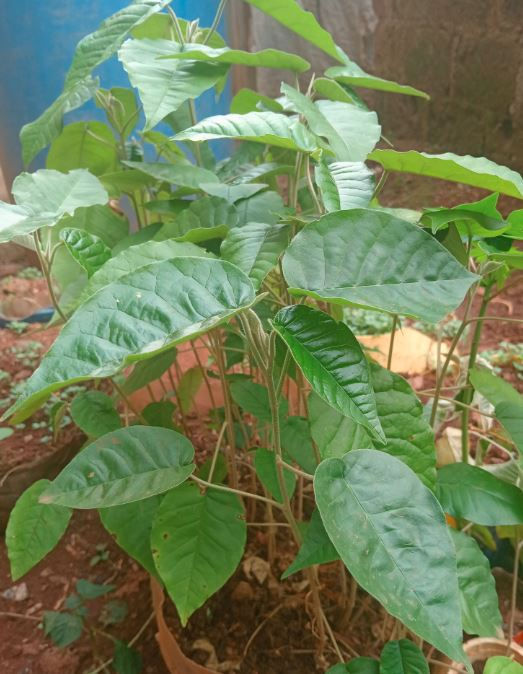
1.)About Croton Megalocarpus Seedlings
2.)Common Names of Croton Megalocarpus
3.)Benefits of Croton Megalocarpus Seedlings
4.)Uses of Croton Megalocarpus Tree
5.)How to Plant Croton Megalocarpus Seedlings
6.)Recommended Spacing for Croton Megalocarpus Seedlings
7.)Frequently Asked Questions About Croton megalocarpus Seedlings
About Croton Megalocarpus Seedlings
Croton Megalocarpus seedlings are among the most popular indigenous tree seedlings in Kenya due to their fast growth, strong adaptability, and multiple economic benefits. The tree is widely planted in farms, schools, roadsides, and agroforestry projects because it provides shade, improves soil fertility, and supports environmental conservation. Farmers also value Croton Megalocarpus for timber, firewood, biofuel production, and medicinal uses.
Croton Megalocarpus is one of Kenya’s most recognized indigenous trees and is known by many local names across different communities. The wide range of names shows how important the tree has been for generations in traditional medicine, firewood, shade, soil improvement, timber, and agroforestry systems.
Community / Language | Common Name of Croton Megalocarpus |
Kipsigis | Tigambo / Kelelweet |
Maasai | Olmeregueti |
Borana | Nyapo |
Duruma | Nyaeppo |
Embu | Mukinduri |
Gabra | Nyaap'po |
Giriama | Muyama |
Kikuyu | Mukinduri |
Luo | Matindri / Banta / Onero |
Pokot | Korellach |
Benefits of Croton Megalocarpus Seedlings
Fast-growing indigenous tree suitable for many parts of Kenya
Helps improve soil fertility through leaf decomposition
Provides excellent shade in farms and homesteads
Useful in agroforestry systems alongside crops
Helps reduce soil erosion on sloping land
Produces seeds that can be used for biofuel production
Provides firewood and charcoal for domestic use
Source of timber for furniture and construction
Supports environmental conservation and reforestation projects
Attracts birds and beneficial insects to farms
Helps improve biodiversity in degraded areas
Uses of Croton Megalocarpus Tree
Timber production for furniture, doors, and interior woodwork
Firewood source for homes and institutions
Charcoal production in some regions
Agroforestry tree for mixed farming systems
Shade tree in farms, schools, and homesteads
Windbreak tree to protect crops and buildings
Soil conservation and erosion control
Reforestation and environmental restoration projects
Biofuel production from Croton seeds
Mulching material from fallen leaves
Soil fertility improvement through leaf decomposition
How to Plant Croton Megalocarpus Seedlings
Choose a good site
Select an area with enough sunlight, good drainage, and enough space for the tree to grow.
Clear the planting area
Remove weeds, grass, stones, and unwanted roots around the planting spot.
Dig the planting hole
Dig a hole about 1–2 feet deep and wide enough to fit the seedling roots comfortably.
Mix soil with manure
Mix topsoil with well-rotted manure or compost to improve early growth.
Remove the seedling carefully
Gently remove the seedling from the container without damaging the roots.
Place the seedling in the hole
Put it upright in the hole, keeping the root collar level with the ground.
Cover with soil
Fill the hole with soil and press gently around the base to remove air spaces.
Water immediately
Give the seedling enough water after planting to help it settle.
Mulch around the seedling
Use dry grass, leaves, or plant waste to conserve moisture and reduce weeds.
Protect the seedling
Guard it from livestock, strong wind, and human disturbance until it is well established.
Recommended Spacing for Croton Megalocarpus Seedlings
For timber production and agroforestry, a spacing of about 3 meters × 3 meters is commonly recommended. In boundary planting or landscaping, wider spacing may be used depending on the available land. Proper spacing helps reduce competition for sunlight, water, and nutrients while improving airflow between trees.
Frequently Asked Questions About Croton megalocarpus Seedlings
What are Croton Megalocarpus seedlings?
Croton Megalocarpus seedlings are young indigenous trees grown from Croton seeds. They are widely planted in Kenya for agroforestry, reforestation, shade, and environmental conservation projects.
What are the benefits of Croton Megalocarpus seedlings?
Croton Megalocarpus seedlings help improve soil fertility, reduce erosion, provide shade, support biodiversity, and contribute to sustainable farming systems. The trees are also valued for firewood and ecological restoration.
Where do Croton Megalocarpus seedlings grow best in Kenya?
The seedlings grow well in highland and mid-altitude areas with moderate rainfall and fertile soils. They are commonly planted in Central Kenya, Rift Valley, Western Kenya, and parts of Eastern Kenya.
How fast do Croton Megalocarpus seedlings grow?
Croton Megalocarpus is considered a fast-growing indigenous tree. Under good rainfall and proper management, the seedlings establish quickly and develop into strong shade trees within a few years.
What is the recommended spacing for Croton Megalocarpus seedlings?
Spacing depends on the planting purpose. For agroforestry and shade, wider spacing is preferred, while closer spacing may be used for woodlots or boundary planting.
Are Croton Megalocarpus seedlings medicinal?
Parts of the mature Croton Megalocarpus tree are traditionally used in herbal remedies in some Kenyan communities. However, medicinal use should be approached carefully and with proper guidance.
Can Croton Megalocarpus seedlings be used in agroforestry?
Yes. Croton Megalocarpus is highly valued in agroforestry because it improves soil conditions, provides shade, supports pollinators, and integrates well with crops and livestock systems.
Are Croton Megalocarpus trees poisonous?
Some parts of the tree may contain compounds that can be harmful if consumed improperly. The tree should only be used medicinally with proper traditional or professional knowledge.
How do you care for Croton Megalocarpus seedlings?
Young seedlings require regular watering, weed control, partial protection from harsh conditions, and well-drained soil during the establishment stage.
Where can I buy Croton Megalocarpus seedlings in Kenya?
Croton Megalocarpus seedlings are available from indigenous tree nurseries like Beyond Forest , agroforestry suppliers, and conservation-focused seedling growers across Kenya.



Comments