
Ashwagandha Benefits, Uses & Side Effects (2026 Guide): Is It Worth Taking?


1.)What is Ashwagandha
2.)Why Ashwagandha is Trending
3.)Ashwagandha Benefits
4.)Male vs Female Ashwagandha Benefits
6.)How Ashwagandha Works
7.)Ashwagandha Dosage Guide
What is Ashwagandha
Ashwagandha” loosely translates to “smell of a horse” 🐎 It refers to both its smell and its belief to give the strength of a horse.
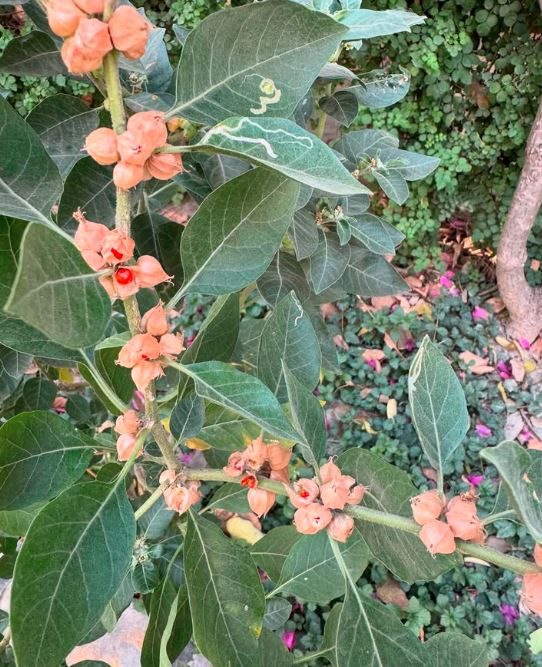
Ashwagandha Plant with dark green leaves and orange-red berries by dr_muralidharv
Ashwagandha (Withania somnifera) is a medicinal herb widely used in traditional Ayurvedic medicine for over 3,000 years. It is classified as an adaptogen, meaning it helps the body manage stress and maintain balance. The plant is native to India, the Middle East, and parts of Africa, and its roots are the most commonly used part. Ashwagandha is processed into powders, capsules, and extracts for modern use.
Ashwagandha herb has been a key part of Ayurvedic medicine for centuries long before modern supplements existed.

Gloved hand holding uprooted Ashwagandha plant with tangled roots.UrbanGreeners🌳
It is known for supporting relaxation, improving sleep, boosting energy levels, and enhancing overall wellness. Its active compounds, called withanolides, are responsible for its therapeutic effects, including anti-inflammatory and antioxidant properties.
Why Ashwagandha is Trending
While the plant has leaves and berries, the root is where the power is — that’s what most supplements are made from.

Ashwagandha Green plant with broad leaves
Ashwagandha is trending because more people are turning to natural solutions for stress, sleep, and overall wellness. Modern lifestyles have increased anxiety and burnout, pushing demand for adaptogens that help the body cope with stress. At the same time, social media, fitness culture, and influencers have popularized it as a “must-have” supplement. Scientific research and growing awareness of its benefits for mental clarity, energy, and hormonal balance have also boosted its credibility. Globally, the market is expanding rapidly as consumers prefer herbal alternatives over synthetic medicine.
Unlike coffee (which spikes you), ashwagandha balances your system, so you feel relaxed but still productive.
Ashwagandha Benefits

Red and yellow Ashwagandha berries
Reduces stress and anxiety by lowering cortisol levels
Improves sleep quality and helps with insomnia
Boosts energy levels and reduces fatigue
Enhances brain function, memory, and focus
Supports immune system and fights inflammation
May increase testosterone levels in men
Improves muscle strength and recovery
Helps balance hormones (especially in women)
Supports heart health by reducing blood pressure
May help regulate blood sugar levels
Improves mood and reduces symptoms of depression
Acts as a natural adaptogen for overall body balance
Male vs Female Ashwagandha Benefits
Ashwagandha thrives in dry, low-fertility soils making it ideal for regions like parts of Kenya 👀
Benefit Area | 👨 For Men | 👩 For Women |
Hormones | May increase testosterone levels | Helps balance hormones (especially during PMS/menopause) |
Stress & Anxiety | Reduces stress and improves focus | Reduces stress, anxiety, and emotional swings |
Muscle & Strength | Enhances muscle growth and recovery | Supports general fitness and stamina |
Energy Levels | Boosts energy and physical performance | Reduces fatigue and improves daily energy |
Fertility | May improve sperm quality and fertility | May support reproductive health |
Sleep | Improves sleep quality and recovery | Helps with insomnia and promotes deeper sleep |
Brain Function | Enhances focus, memory, and mental clarity | Supports mood, focus, and emotional balance |
Immune System | Strengthens immunity and reduces inflammation | Boosts immunity and overall wellness |
Heart Health | Helps lower blood pressure and stress-related risks | Supports cardiovascular health and reduces stress load |
Ashwagandha Side Effects
Ashwagandha is generally safe, but some people may experience mild side effects such as stomach upset, nausea, diarrhea, or drowsiness. It can lower blood pressure and affect thyroid hormone levels, so caution is needed. Pregnant or breastfeeding women and people on medication should consult a doctor before use.
How Ashwagandha Works

Rows of young Ashwagandha green plants by Strictly Medicinal Seeds
Ashwagandha works as an adaptogen, meaning it helps the body adapt to physical and mental stress. It primarily acts by regulating cortisol, the body’s main stress hormone, preventing it from staying too high for long periods.
Its active compounds, called withanolides, interact with the brain and nervous system to promote calmness, reduce anxiety, and improve resilience. It also supports hormonal balance, including thyroid and testosterone regulation.
Additionally, ashwagandha has antioxidant and anti-inflammatory properties, helping protect cells from damage and improving overall body function, energy levels, and recovery.
Ashwagandha Dosage Guide
Getting the right dosage is key to seeing results while avoiding side effects. The ideal amount depends on the form you’re using:
Form | Daily Dosage |
Powder (root) | 3 – 6 grams |
Capsules | 300 – 600 mg |
Standardized Extract (e.g. KSM-66) | 250 – 600 mg |
Liquid Extract | Follow product label |
Best Time to Take
Morning → For energy, focus, and stress control
Night → For relaxation and better sleep
Yes ashwagandha is widely available in Kenya, and demand is growing fast due to interest in natural health supplements.
Online pharmacies – Sites like MYDAWA and others sell capsules and extracts
Health stores & supplement shops – Common in Nairobi and major towns
E-commerce platforms – Jumia lists powders, gummies, and capsules
Herbal/organic stores – Selling natural powders and blends
Common Forms Available
Capsules (most popular)
Powder
Liquid extracts
Gummies
Ashwagandha Price Range in Kenya (2026 Estimate)
Powder (100g): ~ 400Ksh – 800Ksh
Capsules: 1,500Ksh – 3,000Ksh depending on brand
Ashwagandha FAQ
What exactly does ashwagandha do to your body?
Ashwagandha helps the body manage stress by lowering cortisol levels. It also supports better sleep, improves energy levels, enhances brain function, and may boost hormone balance, especially in men.
Does ashwagandha lower cortisol levels?
Yes, ashwagandha is known for reducing cortisol, the stress hormone. This is why it is widely used for anxiety, burnout, and overall mental wellness.
Does ashwagandha increase testosterone?
Studies suggest that ashwagandha may help increase testosterone levels in men, especially those dealing with stress or low fertility. It can also improve muscle strength and performance.
How long does ashwagandha take to work?
Most people start noticing effects within 2 to 6 weeks of consistent use. Benefits like improved sleep may appear earlier, while hormonal changes take longer.
Is ashwagandha safe to take daily?
Yes, it is generally safe when taken in recommended doses. However, long-term use should be monitored, especially if you have underlying health conditions.
What is the best time to take ashwagandha?
Morning → for stress and energy
Night → for sleep and relaxation
Can ashwagandha help with sleep?
Yes, it is commonly used to improve sleep quality. It helps calm the nervous system and may reduce insomnia.
What are the side effects of ashwagandha?
Some people may experience:
Upset stomach
Drowsiness
Low blood pressure
These effects are usually mild and rare.
Who should avoid ashwagandha?
Avoid or consult a doctor if you:
Are pregnant or breastfeeding
Have thyroid disorders
Take medication for blood pressure or anxiety
What form of ashwagandha is best?
Powder → natural and cheaper
Capsules → convenient
Extracts (like KSM-66) → more concentrated and effective
Is ashwagandha available in Kenya?
Yes, it is available in many herbal shops, pharmacies, and online stores like Jumia and Kilimall.
Can I take ashwagandha with other supplements?
Yes, but it’s best to be cautious. It combines well with vitamins and minerals, but always check if you’re using other herbal or hormonal supplements.


Comments