
Roller Mill and Crusher in Kenya Prices and Specs


2.)Roller Mill vs Crusher – What’s the Difference?
3.)Roller Mill and Crusher Prices in Kenya (2025 Update)
5.)Roller Mill and Crusher Output Capacity
6.)Maintenance Tips to Increase Machine Lifespan
6FY-35- The model number of the roller mill. “6FY” is the milling machine series, and “35” indicates the size/capacity (approx. 350–450 kg/hr output).

A roller mill and crusher is one of the most efficient setups for producing high-quality maize flour in Kenya, especially for Grade 1 posho milling businesses. The crusher (6FY-20) first breaks maize grains into smaller particles at an output of 80–120 kg/hr using a 5.5HP low-speed motor, making it easier for the roller mill to process.
The Crusher alone cost on average 100,000Ksh
A crusher breaks down the maize as the maize cannot go through the Roller Mill
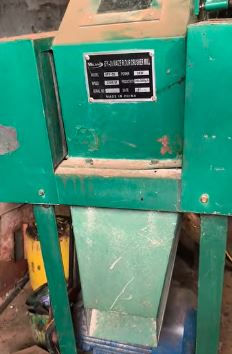
The roller mill (6FY-35) then rolls, grinds, and sieves the maize to produce fine flour at 350–450 kg/hr, powered by a 10HP three-phase motor. This combination reduces wastage, increases output, and ensures consistent, smooth flour ideal for commercial posho mills.
For best results, both machines are used together for higher efficiency and better flour quality.
Roller Mill vs Crusher – What’s the Difference?
While a crusher prepares the raw material, the roller mill completes the final processing.

Without the Crusher the Roller Mill cost of average 200,0000Ksh
A crusher and a roller mill perform different functions in the maize milling process, and understanding their roles helps millers choose the right setup. A crusher is the first-stage machine that breaks whole maize grains into smaller particles or grits, making them easier to mill. It mainly focuses on crushing, not fine flour production.
“Milano” or “Milling Milano” is a common name used in East Africa for high-quality Italian-design milling machines.
A single Phase Roller Mill has 5 Horse Power
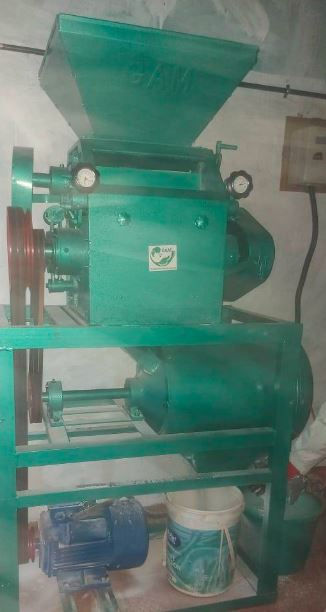
A roller mill, on the other hand, uses roller tables to grind, squeeze, and refine the crushed maize into fine, smooth Grade 1 flour.
Roller Mill and Crusher Prices in Kenya (2025 Update)

A roller mill and crusher combo in Kenya typically ranges between KSh 320,000 and KSh 370,000 depending on capacity, motor power, brand, and build quality. Basic models with standard 5.5HP–10HP motors fall on the lower end, while heavy-duty, high-output units with stronger frames and upgraded motors cost more.
5 Horse Power Roller Mill | 320,000Ksh |
7 Horse Power Roller Mill | 345,000Ksh |
10 Horse Power Roller Mill | 370,000Ksh |
the Milling Process
Huller (Hauler) | Removes husk/bran, cleans maize | Stage 1 (Optional but recommended) |
Crusher | Breaks maize into smaller particles/grits | Stage 2 |
Roller Mill | Grinds and refines into flour | Stage 3 |
Features of a Good Maize Roller Mill
FY” refers to the machine model series, commonly used for maize milling equipment from China or locally
A good maize roller mill should deliver high output, consistent flour quality, and long-term durability. It must have strong steel rollers that grind maize smoothly without overheating, ensuring fine, Grade 1 flour.

A reliable roller mill should run on a powerful motor (preferably 7.5HP–10HP for commercial use) with low energy consumption. It should include an efficient sieving system to separate fine flour from bran, producing uniform output. A robust frame, quality bearings, and easy-to-replace spare parts are essential for durability and low maintenance.
it should offer stable performance, minimal flour wastage, and meet hygiene and safety standards for food processing.
Roller Mill and Crusher Output Capacity

A standard maize crusher processes between 80–150 kg/hr, breaking whole maize into grits for easier milling. The roller mill then refines these grits into fine Grade 1 flour, typically producing 300–450 kg/hr depending on the model, motor size, and roller efficiency. Higher-capacity models like FY35 can exceed 450 kg/hr. When combined, the setup allows continuous feeding while the crusher prepares raw material, the roller mill maintains steady flour output—boosting productivity and reducing waiting time during milling.

Maintenance Tips to Increase Machine Lifespan
Regularly clean the machine after every milling session to prevent flour buildup that can cause clogging or rust.
Lubricate moving parts, especially bearings and rollers, to reduce friction and wear.

Check and tighten belts, screws, and bolts weekly to avoid breakdowns.
Replace worn-out rollers, screens, and belts on time to maintain flour quality and output.
Protect the machine from moisture, rodents, and dust by storing it in a clean, dry room.
Schedule periodic professional servicing to detect hidden faults early and extend the machine’s lifespan.
FAQs on Roller Mill and Crusher

What is the difference between a roller mill and a crusher?
A crusher breaks maize grains into smaller grits, while a roller mill grinds and refines them into fine Grade 1 flour. Both are used together for best results.
Where can i sharpen Rollers Teeth
You can sharpen roller mill teeth in Nairobi, where most machine fabricators and milling equipment technicians offer roller re-grooving or sharpening services.
How much does a roller mill and crusher cost in Kenya?
A full roller mill + crusher combo costs 320,000KSh to 370,000KSh depending on capacity, model (FY25 or FY35), and motor type.

Can a crusher work without a roller mill?
Yes, but you will only get crushed maize, not fine flour. To produce Grade 1 posho flour, you need a roller mill after crushing.
No. A crusher does not remove husks or bran. A huller is required for degerming maize to achieve cleaner, whiter, premium flour.
What capacity can a roller mill and crusher produce per hour?
A crusher produces 80–150 kg/hr, while a roller mill produces 300–450 kg/hr, depending on the model and motor size.

What power does a roller mill and crusher use?
Most crushers run on 5.5HP, while roller mills use 7.5HP–10HP motors. Three-phase power is recommended for stable performance.
Is a roller mill and crusher profitable for a posho mill business?
Yes. The combo increases flour output, reduces waste, and produces high-quality Grade 1 flour, attracting more customers and higher margins.
Do I need a huller when starting a posho mill business?
A huller is optional, but recommended if you want premium Grade 1 flour. It improves flour quality by removing the husk and bran before milling.
What are the common models for roller mills in Kenya?
The most popular models are FY25 (250–300 kg/hr) and FY35 (350–450 kg/hr). FY35 is ideal for busy commercial operations.
Yes. A roller mill can produce high-quality Grade 1 flour because it grinds and refines maize into a smooth, fine texture.
Can a Roller Mill and Crusher use Single Phase
Yes, but only small-capacity models can operate on single-phase power. Most commercial roller mills and crushers are designed for three-phase due to higher power demand.

What power does a roller mill use?
A roller mill generally uses a 7.5HP to 10HP motor for efficient grinding. Commercial models work best on three-phase electricity, as it provides stable power and reduces strain on the motor during continuous milling.


Comments