
Charcoal Briquettes Prices in Kenya (2026): Price per Kg, Uses, Profitability & Where to Buy
- BeyondForest

- Jan 16
- 4 min read
Updated: Jan 27
2.)Charcoal Briquettes vs Ordinary Charcoal (Which Is Better?)
6.)How Long Does 1kg of Charcoal Briquettes Last?
What Are Charcoal Briquettes

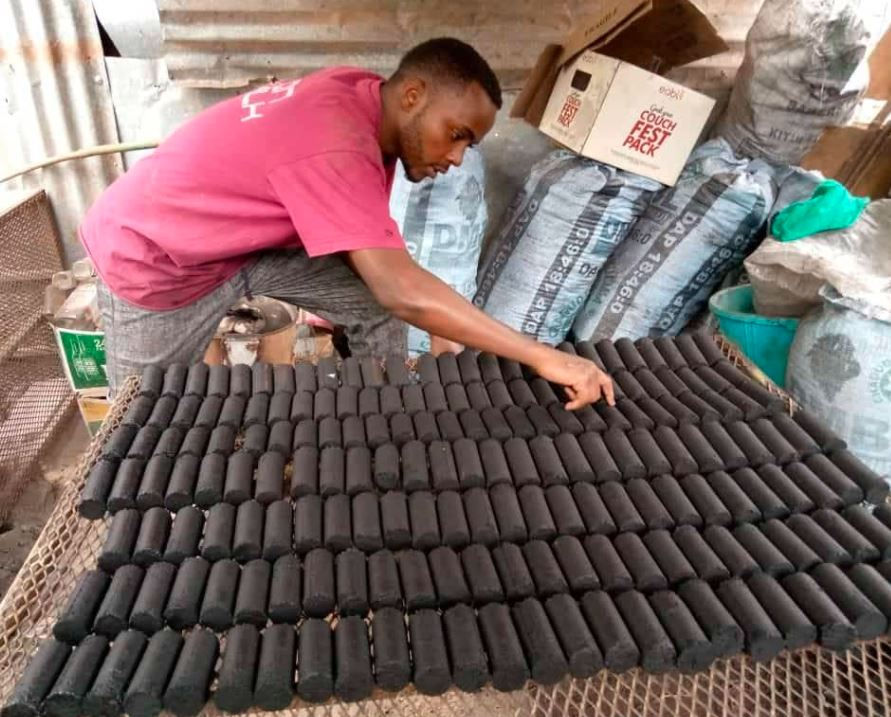
such as sawdust, charcoal dust, rice husks, coffee husks, and other agricultural residues. These materials are carbonized, mixed with a natural binder, and pressed into uniform shapes. Briquettes are designed to burn longer, more evenly, and with less smoke than traditional charcoal. Because they are made from recycled waste rather than whole trees, charcoal briquettes help reduce deforestation and environmental damage. In Kenya, briquettes are increasingly used by households, restaurants, schools, and institutions as a cost-effective and cleaner cooking fuel, especially when combined with improved cookstoves.
Charcoal Briquettes vs Ordinary Charcoal (Which Is Better?)

Charcoal briquettes burn longer and more evenly, providing consistent heat with less smoke, making them ideal for indoor cooking and commercial use. They are made from recycled biomass waste, helping reduce deforestation. Ordinary charcoal ignites faster and is widely available but burns unevenly, produces more smoke, and is linked to tree cutting. While briquettes may cost slightly more per kilogram, they often last longer, making them more cost-effective over time.
The most common are biomass briquettes, made from compressed agricultural residues like sawdust, rice husks, coffee husks, and crop stalks; these are affordable and widely used by households and small businesses. Carbonized briquettes are made by first carbonizing the raw biomass before pressing, which improves burn quality and reduces smoke, making them preferred for urban cooking. Some producers blend charcoal dust with biomass binders to create hybrid briquettes that combine traditional charcoal heat with briquette efficiency.
Charcoal Briquettes Prices in Kenya (2026 Updated Rates)

On average, retail prices per kilogram range from about KSh 40 to KSh 100, with premium carbonized briquettes at the higher end. Bulk purchases such as 10 kg or 25 kg bags often come with discounts, and wholesale or tonne orders typically cost less per kg.
Prices also depend on moisture content and raw materials used
Charcoal briquettes price per kilogram in Kenya typically ranges from KSh 40 to KSh 100, depending on quality, raw materials, and production method. Carbonized briquettes and those made from denser biomass generally cost more because they burn longer and produce less smoke.
How Long Does 1kg of Charcoal Briquettes Last?
One kilogram of charcoal briquettes typically lasts 2 to 4 hours under normal household cooking conditions. Burn time depends on briquette quality, stove efficiency, and airflow. When used with an improved cookstove or energy-efficient jiko, briquettes burn longer and provide more consistent heat than ordinary charcoal.
The charcoal briquettes business in Kenya can be profitable, especially when production and sales are well planned. Key advantages include low-cost raw materials like sawdust, rice husks, and agricultural waste that would otherwise be discarded, and growing demand from households, restaurants, schools, and eco-focused buyers seeking cleaner alternatives to traditional charcoal. Profitability improves with efficient briquette machines and proper drying methods that improve quality and reduce waste.
Frequently Asked Questions (FAQ) – Charcoal Briquettes in Kenya
What are charcoal briquettes?
Charcoal briquettes are compressed fuel blocks made from biomass waste such as sawdust, charcoal dust, rice husks, coffee husks, or agricultural residues. They are designed to burn longer, produce less smoke, and offer a cleaner alternative to traditional charcoal.
How much do charcoal briquettes cost in Kenya?
Charcoal briquettes prices in Kenya typically range between KSh 40 – 100 per kg, depending on quality, packaging, location, and whether they are carbonized or non-carbonized.
How much does 1 tonne of charcoal briquettes cost in Kenya?
One tonne of charcoal briquettes usually costs between KSh 35,000 – 70,000, with lower prices for bulk or factory-direct purchases. Transport and packaging can affect the final price.
How many charcoal briquettes are in 1kg?
The number of briquettes in 1kg depends on size and shape, but on average 1kg contains 10–20 briquettes. Smaller pillow-shaped briquettes are more numerous than larger industrial blocks.
One kilogram of charcoal briquettes can last 2–4 hours for household cooking when used with an efficient jiko or improved cookstove. Briquettes generally burn longer than ordinary charcoal.
Are charcoal briquettes better than ordinary charcoal?
Yes, in many cases. Charcoal briquettes burn longer, more evenly, and with less smoke. They are also more environmentally friendly because they are made from recycled biomass waste rather than whole trees.
Is the charcoal briquettes business profitable in Kenya?
Yes. The charcoal briquettes business is profitable due to low raw material costs, growing demand for clean cooking fuels, and support from NGOs and institutions. Profitability depends on production scale, quality, and distribution.
Is there a market for charcoal briquettes in Kenya?
Yes. Demand is growing among urban households, restaurants, schools, hotels, NGOs, and clean-energy programs, especially in Nairobi and other major towns.
Where can I buy charcoal briquettes in Kenya?
Charcoal briquettes can be purchased from local producers, retail shops, community groups, NGOs, and online marketplaces. Availability and quality may vary by region.
Are charcoal briquettes environmentally friendly?
Yes. Charcoal briquettes help reduce deforestation, recycle waste materials, and lower carbon emissions, making them a more sustainable fuel option compared to traditional charcoal.
Do charcoal briquettes require a special stove?
No. Charcoal briquettes can be used in traditional jikos, but they perform best in improved or energy-efficient cookstoves, which maximize burn time and heat output.
Yes. Producing and selling charcoal briquettes is legal and often encouraged, especially when made from waste materials. Local business permits may be required for commercial operations.


Comments